
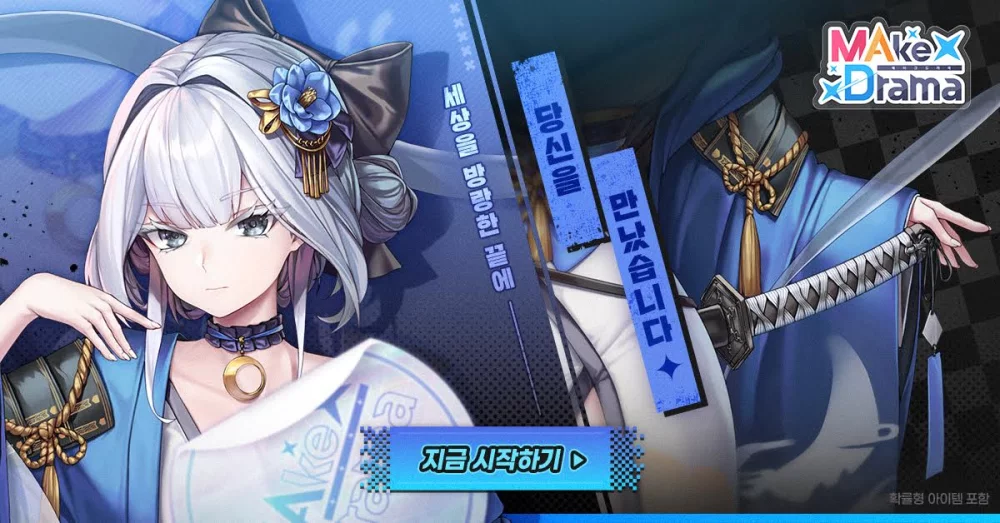
In the neon-lit, cinematic world of MAke Drama : MAD, the temptation to chase high-rarity units can often leave new players with under-leveled, resource-starved rosters. However, seasoned players know that the true secret to efficient progression lies in the tactical use of 1 and 2-star heroes. These units are not merely placeholders; they are highly accessible, easily upgradable assets that provide the immediate power spikes required to clear story chapters and resource dungeons. By focusing your early-game resources on these "low-rarity, high-utility" characters, you can bypass the difficulty walls that stop players who rely solely on rare, hard-to-promote units.
Why 1 and 2-Star Heroes Are the Backbone of Your Roster
In MAke Drama : MAD, the strength of a hero is not determined solely by their star count, but by their "uptime" and synergy with your team. High-rarity characters often require significant investment in rare materials to become viable. Conversely, 1 and 2-star units are easy to pull, meaning you can reach their maximum potential—including skill upgrades and promotion—with minimal effort.
The Power of Maxed Potential
An un-leveled 3-star character is often weaker than a fully promoted 2-star character. When you focus on lower-rarity units, you gain:
- Rapid Skill Synergy: Because duplicates are common, you can maximize skill levels quickly, granting you access to secondary effects that higher-rarity units might lack early on.
- Cost-Effectiveness: You save your premium currency and rare upgrade materials, allowing you to stockpile them for high-impact banners later.
- Role Flexibility: These units are excellent for filling specific niches—such as crowd control, healing, or specific elemental damage—without needing a massive investment.
Identifying High-Impact 2-Star Heroes
Not all 2-star heroes are created equal. When building your core team, look for units that offer versatility. In MAke Drama : MAD, the best 2-star units are those that provide "utility over raw power." This means prioritizing characters who can manipulate the battlefield, provide defensive buffs, or apply consistent debuffs to enemies.
What to Look For:
- Crowd Control (CC): Units with stun, slow, or knockback capabilities are invaluable. Even if their damage is lower than a 3-star unit, their ability to prevent incoming damage by disabling enemies often makes them the better choice for difficult stages.
- Sustained Damage: Look for heroes with passive abilities that trigger on-attack or on-hit. These bonuses scale well as you gear them up.
- Survivability: A 2-star hero with a self-heal or damage-mitigation shield can act as a "pseudo-tank," allowing your squishier, high-damage units to safely output their skills.
Strategic Deployment of 1-Star Units
1-star units are frequently dismissed as "fodder" for leveling other characters. This is a major mistake in MAke Drama : MAD. These units are essentially "modular tools." Because their investment cost is negligible, they are the perfect candidates for specific encounter strategies.
When to Use 1-Star Units:
- Counter-Mechanic Strategies: If a boss has a high resistance to physical damage but is weak to magic, a 1-star magic-based hero can be brought in to turn the tide.
- Expedition/Resource Farming: Use your 1-star units to fill out expedition slots or farm lower-level materials, keeping your primary team fresh for high-difficulty boss encounters.
- Emergency Buffing: Some 1-star units possess unique team-wide buffs that can be the difference between a win and a loss in a close encounter.
Maximizing Your Resource Efficiency: The Upgrade Checklist
To ensure your 1 and 2-star heroes remain relevant, you must manage your resources with surgical precision. Do not spread your experience materials across your entire roster. Instead, follow this strategy:
- Focus on the "Carry": Choose one primary 2-star hero to be your team captain. Direct all experience and gear resources to them first. A maxed-out hero with high-tier gear can carry a team of under-leveled units through early content.
- Skill Enhancement Priority: Before spending skill books, read the ability descriptions carefully. Look for skills that offer utility (e.g., increased stun duration or cooldown reduction) rather than just flat percentage increases to damage.
- Gear Synergy: Do not hesitate to give your best equipment to a 2-star hero. If that unit is a core part of your team, the gear is not being wasted; it is actively helping you earn more resources for your next promotion.
Common Mistakes to Avoid
Many players fall into the trap of "Rarity Bias." Avoiding these common pitfalls will keep your progress steady:
- The Trap of the "Unfinished" 3-Star: Avoid slotting a 3-star unit into your team if you don't have the materials to level them to the current cap. An un-leveled high-rarity unit provides no benefit and may actually hinder your team's performance due to poor base stats.
- Ignoring Skill Levels: A low-rarity hero with maxed skills is almost always better than a high-rarity hero with base skills. Never overlook the importance of skill books.
- Forgetting to Rotate: Your team should not be static. If you are struggling with a specific stage, examine your roster and swap in a low-rarity hero that counters the enemy's archetype.
The Long-Term Transition: Planning for the Future
While 1 and 2-star heroes are powerhouses in the early and mid-game, it is vital to have an exit strategy. As you approach the end-game, the "stat ceiling"—the maximum possible attribute growth—of 1 and 2-star units will naturally be lower than that of 3-star and higher units.
How to Transition:
- Iterative Replacement: Replace your lowest-performing 1-star unit with a 3-star unit once that 3-star unit has been leveled to at least 75% of your current level cap.
- Transfer Gear: When you eventually retire a low-rarity hero, strip them of their gear immediately. The resources you invested (specifically gear and skill books) can often be repurposed or moved to your new, higher-rarity core team members.
- Maintain Utility: Keep one or two of your best 2-star units in your reserves. Even in the late-game, their specific niche utility (like a specific element or debuff) might remain relevant against specialized bosses.
By respecting the value of 1 and 2-star heroes, you turn MAke Drama : MAD from a game of "waiting for the right pull" into a game of "strategic execution." Master the mechanics of your lower-rarity units today, and you will find yourself clearing content far beyond your current power level.

Free MAke Drama : MAD Codes
Current active codes and how to redeem them.

Sarah Williams
Sarah specializes in RPG and collection games, explaining team building, character growth, and beginner-friendly ways to avoid expensive early mistakes.
COMMUNITY
Player Comments
103 players commented on this guide.
This helped me understand heroes much better.
Can you add more details about heroes in a future update?
This saved me time in the early game.
This guide answered the exact question I had.