
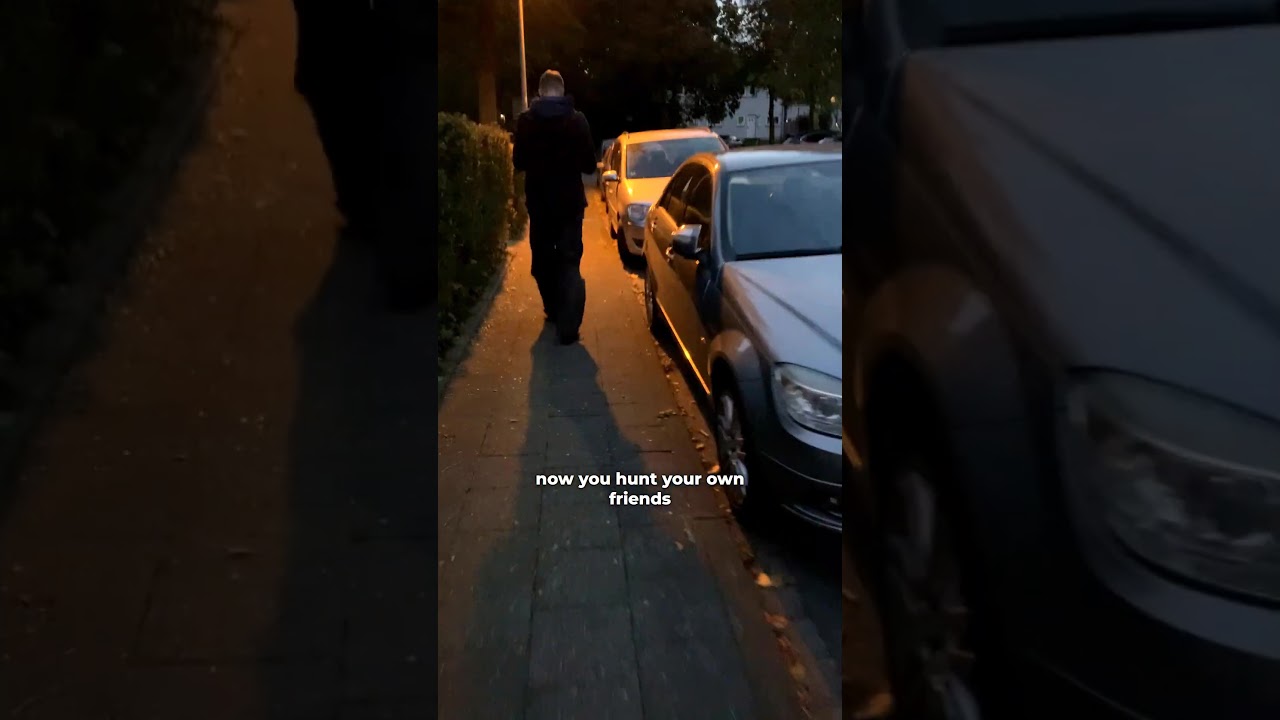
To survive an infection ruleset match in Manhunt: Hide & Seek, you must shift your playstyle from passive hiding to continuous perimeter rotation as the hunter pool grows. Unlike standard rounds with a fixed hunter team, every tagged runner becomes an active pursuer who knows your previous hiding places. Conserve your stamina in deep concealment during the opening minutes, immediately evacuate when nearby allies are tagged, and rotate along outer boundaries once the infected outnumber remaining survivors.
Managing Match Phases and Hunter Density
Survival under infection rules depends on recognizing when the hunter-to-survivor ratio tips. In the early game, a small seeker group cannot search large zones thoroughly. As tags accumulate, the hunter team expands exponentially, turning isolated searches into broad, coordinated sweeps.
| Match Phase | Hunter Threat Level | Primary Objective | Optimal Movement Profile |
|---|---|---|---|
| Opening Phase (1–3 Hunters) | Low search density; isolated sweep paths | Deep concealment; stamina preservation | Zero movement; avoid visual contact |
| Mid Transition (Equal Teams) | Coordinated sweeps; intel compromises | Relocation; clearing compromised sectors | Short sprint bursts between cover |
| Horde Endgame (Overwhelming) | Full encirclement sweeps; pinch points | Line-of-sight breaking; perimeter looping | Continuous jogging with directional cuts |
During the opening phase, stay completely motionless in obscure cover to let other runners draw the first tags. Conserving physical stamina early provides the energy reserves needed for extended chases later. Once the infected pool equals or exceeds the remaining survivor count, static cover becomes a liability. Begin rotating through exterior boundaries and through areas the hunting group has already cleared and vacated.
Countering Intel Leaks from Converted Teammates
Every runner converted to the hunter side retains full knowledge of shared hiding spots, common escape routes, and teammate habits. The immediate risk after a teammate's capture is an instant search of their immediate surroundings.
To neutralize this information leak:
- Evacuate immediately upon nearby tags: If you hear physical contact, a chase, or an audio callout indicating an infection within 50 yards, assume your hiding spot is compromised and relocate through a blind angle.
- Abandon pre-match rally points: Avoid regrouping at landmarks or staging zones discussed before the round started, as newly turned hunters prioritize those locations first.
- Separate from survivor clusters: Traveling near large groups increases detection risks and provides hunters with rapid, consecutive conversions that quickly trap anyone nearby.
Breaking Sightlines Against Swarming Chasers
When pursued by multiple infected players, running in a straight line across open corridors, roadways, or open fields allows trailing hunters to fan out and cut off your escape path. Evading a converging group requires sharp directional cuts around solid obstructions.
- Sprint toward hard cover: Direct your initial burst toward dense physical barriers such as building corners, hedges, or vehicles.
- Break visual contact first: Cut tightly around the corner to remove pursuers' direct line of sight before attempting any lateral change.
- Execute an immediate counter-turn: Once behind cover, abruptly change direction—such as tucking into low brush or cutting back beneath a stairwell—rather than continuing along the expected trajectory. Hunters following in a pack often overshoot corners due to sprint momentum and tunnel vision.
Solo Evasion in the Final Stand
When you are the final remaining runner, the entire infected team converges on your last confirmed location. Outrunning an entire team in an open pursuit is impossible once stamina depletes, making pacing and route selection your deciding factors.
Pace your movement by jogging or walking behind visual breaks, reserving maximum sprint acceleration exclusively for clearing tag attempts or cutting through gaps between disorganized pursuers. Guide chasers toward uneven terrain, narrow pathways, or tight gates. Bottlenecks force the horde into single-file pursuits, preventing encirclement and allowing you to evade individual tag attempts until the round clock runs out.

Free Manhunt: Hide & Seek Codes
Current active codes and how to redeem them.

Emily Johnson
Emily writes practical mobile strategy guides with a focus on resource planning, base progression, and the early decisions that shape a long-term account.
COMMUNITY
Player Comments
122 players commented on this guide.
Nice guide. I am checking the other Manhunt: Hide & Seek articles next.
This guide answered the exact question I had.
The explanation is clear, especially for beginners.
I wish I had read this before upgrading the wrong thing.