
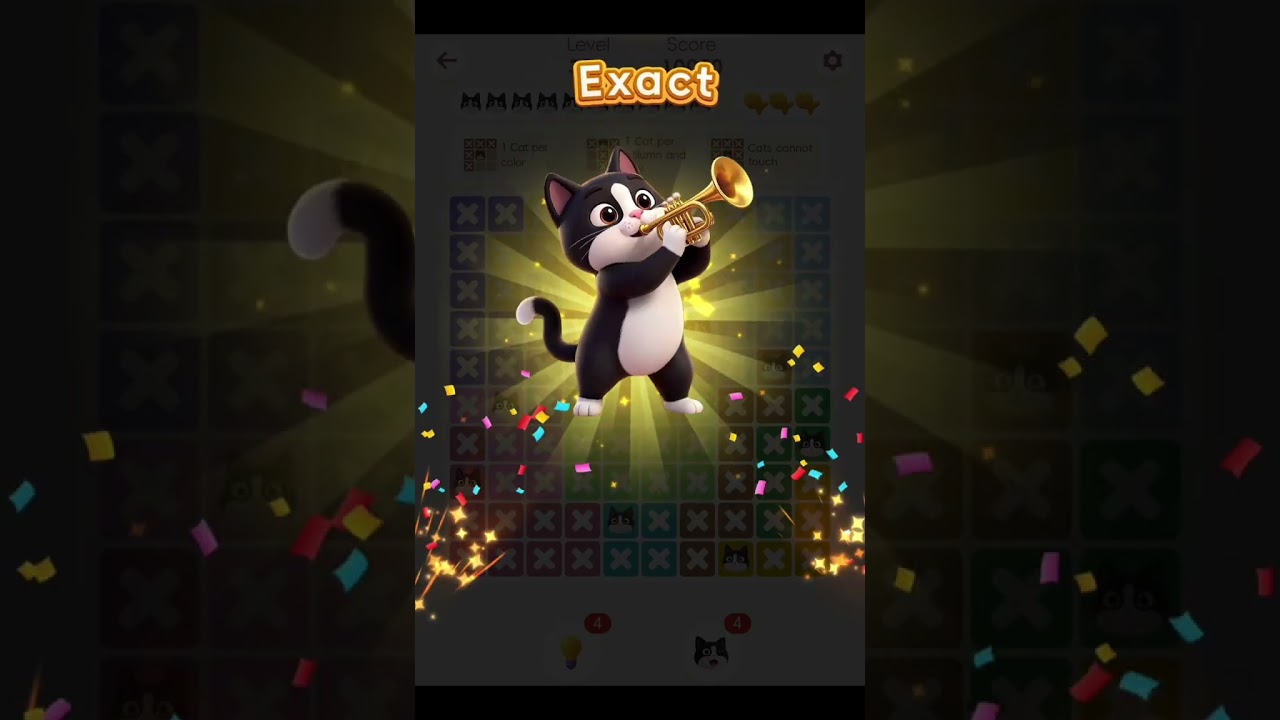
To clear levels 331 through 340 in Meowdoku!, focus on finding forced single-candidate cells and intersecting grid constraints before attempting general board fills. Prioritizing single-placement squares and systematic row checks prevents invalid inputs that force costly undos.
Resolving Forced Placements and Intersections (Levels 331–334)
In levels 331 through 334, look for single-candidate cells where existing placements force specific digits into corners or constrained positions. Isolating these forced moves keeps the grid organized and prevents unnecessary guessing.
Use this sequence to resolve constrained rows:
- Scan the board for any row or column missing three or fewer digits.
- Compare the missing digits against the requirements of each intersecting perpendicular column.
- Place a digit only when the column intersection eliminates all alternative options for that square.
Managing Dense Constraints (Levels 335–337)
Levels 335 through 337 introduce dense grid bottlenecks where multiple columns depend on shared numbers. An unverified placement in these levels can create ripple effects that break the grid.
- Anchor with high-frequency digits: Count which numbers appear most frequently on the board and resolve their remaining valid placements first.
- Verify vertical axes: Before placing a number based on horizontal row logic, check the vertical column to confirm it does not violate column constraints.
- Pause on bottlenecks: If progress stalls, re-verify your previous three placements instead of forcing an unconfirmed number.
Using Candidate Notes (Levels 338–340)
Levels 338 through 340 feature higher grid density that benefits from candidate notes rather than immediate placements. When a square has two valid possibilities, mark both as notes to track potential outcomes without locking in an invalid move.
Follow this workflow for the final stages:
- Identify rows with three or fewer open squares.
- Cross-reference every open cell against its row and column constraints.
- Look for hidden pairs—two cells within the same row that can only accept the same two digits—to eliminate candidates from neighboring squares.
- Commit a final digit placement only after confirming no column conflicts exist.

Free Meowdoku! Codes
Current active codes and how to redeem them.

Emily Johnson
Emily writes practical mobile strategy guides with a focus on resource planning, base progression, and the early decisions that shape a long-term account.
COMMUNITY
Player Comments
136 players commented on this guide.
I tried this today and it worked better than my old setup.
This saved me time in the early game.
Nice guide. I am checking the other Meowdoku! articles next.
This guide answered the exact question I had.