
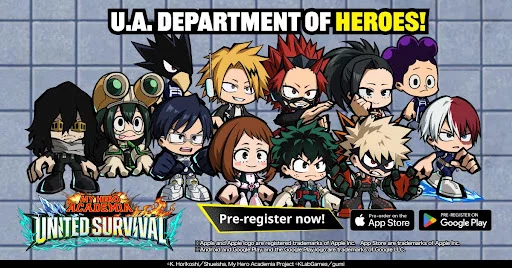
MHA: UNITED SURVIVAL offers a fast-paced, roguelite action experience that captures the essence of iconic hero combat. However, for players looking to dive deep into the game, understanding how to manage your time, currency, and emotional investment is crucial. Whether you are a fan of the franchise or a newcomer to the genre, this guide provides the authoritative strategy for enjoying the game’s core mechanics while maintaining a healthy, sustainable approach to your progression.
Understanding the "Session-Based" Philosophy
The most effective way to enjoy MHA: UNITED SURVIVAL is to treat it as a session-based experience rather than a traditional long-term MMORPG. Because the game relies heavily on fast-paced, roguelite-inspired combat, your primary focus should be on the satisfaction of the moment-to-moment gameplay rather than chasing endless gear grinds.
By shifting your mindset away from "becoming the top player on the server" and toward "mastering the current character roster," you insulate yourself against frustration. If you view your progress as a series of standalone adventures, you can extract the maximum amount of fun from the game’s combat systems without feeling pressured by the demands of long-term retention requirements.
The Case for Horizontal Progression
In MHA: UNITED SURVIVAL, there is a common pitfall known as "Vertical Burnout"—the act of dumping every possible resource into a single character to reach maximum power. While tempting, this is often an inefficient use of resources. Instead, we recommend Horizontal Progression.
Why Horizontal Progression Wins:
- Adaptability: Having five characters at a "functional" level (Level 40-50) is significantly more useful for clearing various squad-based combat modes than having one level-capped hero.
- Meta Resilience: If a balance patch shifts the strength of certain Quirks, a diverse roster ensures you are never left with a "useless" account.
- Roguelite Synergy: Many of the game's roguelite stages require specific team compositions. A wider roster allows you to experiment with different Quirk combinations, which is where the game’s actual depth lies.
Strategic Resource Management
Managing your Hero Stones and gacha currency is the most important skill in MHA: UNITED SURVIVAL. To play efficiently, you must distinguish between "essential progression" and "vanity spending."
- Prioritize Utility Banners: Spend your currency on characters that introduce new mechanics or cover elemental weaknesses in your current team. If a banner character provides a playstyle you already have, consider skipping it.
- Avoid the "FOMO" Trap: Event-exclusive items often require an unreasonable time commitment. Calculate the "time-to-reward" ratio before diving in. If the reward is purely cosmetic or offers a negligible stat increase, your time is better spent on core game modes.
- Daily Consistency: Focus on the daily objectives that provide the highest return on investment. Once these are cleared, stop. This prevents the "grind fatigue" that often drives players away from service-based games.
Evaluating Event Participation
Not every event in MHA: UNITED SURVIVAL is designed for long-term power growth. Some are purely engagement-driven. When an event launches, look for these three indicators:
- Resource Efficiency: Does the event provide rare upgrade materials that are otherwise hard to farm? If yes, prioritize it.
- Skill Check: Does the event challenge your ability to dodge and use Quirks effectively? These are the events that make the game worth playing.
- Time Sink: Does the event require hours of repetitive grinding? If so, treat it as optional. Your goal is to keep the experience fresh and exciting, not to turn it into a chore.
The Three-Month Threshold
In the current landscape of mobile action games, the first ninety days of a player's journey are the most critical. We define this as the "Three-Month Threshold." During this time, your goal is to experience the full breadth of the current combat systems.
If you find yourself feeling like you are "working" rather than "playing," it is a signal to reassess your goals. By keeping your financial investment low—or strictly limited to what you feel is fair for the entertainment value received—you maintain the freedom to enjoy the game on your own terms. This ensures that your account remains a source of joy rather than a source of "sunk cost" anxiety.
How to Protect Your Account Value
Protecting your account value isn't just about money; it’s about your time. When you invest time into a game, you expect a return. To ensure that return is always positive:
- Focus on Skill-Based Combat: The most valuable asset you can gain in MHA: UNITED SURVIVAL is mechanical skill. Learn the dodge timings, master the Quirk cooldown rotations, and understand the enemy AI patterns. These skills translate across characters and game modes.
- Monitor Community Sentiment: Stay informed through community discussions. Players often identify which units are "future-proof" early on. Using this collective knowledge can save you from wasting resources on characters that drop off in utility quickly.
- Set Clear Boundaries: Decide in advance how much time you are willing to dedicate to the game per day. Once you hit that limit, step away. This preserves your interest and prevents the burnout that often accompanies high-intensity action games.
Final Thoughts on Sustainability
MHA: UNITED SURVIVAL succeeds when you engage with its combat systems for the right reasons: the thrill of the fight, the satisfaction of a perfectly timed Quirk, and the fun of building a diverse team. By avoiding the trap of excessive, long-term financial commitment and focusing on the immediate enjoyment of the roguelite mechanics, you can get the best out of the game regardless of its long-term trajectory. Enjoy the journey, master the heroes you love, and keep your gameplay focused on what matters most: the action.

Free MHA: UNITED SURVIVAL Codes
Current active codes and how to redeem them.

Emily Johnson
Emily writes practical mobile strategy guides with a focus on resource planning, base progression, and the early decisions that shape a long-term account.
COMMUNITY
Player Comments
84 players commented on this guide.
I wish I had read this before upgrading the wrong thing.
This helped me understand strategy much better.
The explanation is clear, especially for beginners.
Can you add more details about strategy in a future update?