
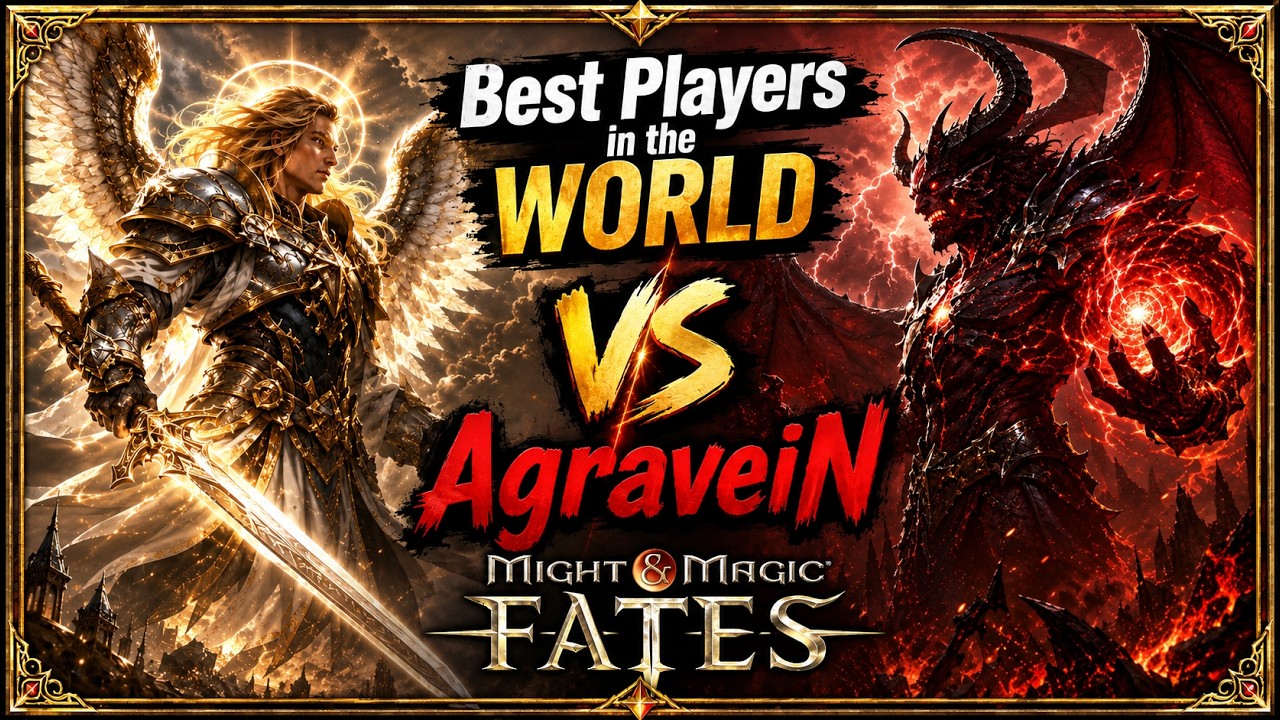
In the high-stakes environment of Might & Magic Fates Heroes TCG, victory is rarely decided by the raw strength of a single card. Instead, it is determined by the "micro-battles" occurring across the board’s lanes. Analyzing top-tier matches between elite players like Maxence and AgraveiN reveals a common truth: success in Might & Magic Fates Heroes TCG is built on the foundation of tactical positioning, predictive mana usage, and the calculated sacrifice of resources to secure long-term board dominance.
Mastering Strategic Lane Commitment
The board in Might & Magic Fates Heroes TCG is your primary instrument for exerting pressure. At the highest level, players do not simply play cards as they become available; they commit units to specific lanes to dictate the opponent's movement.
The Art of Forcing Responses
By committing units to a lane where you hold a favorable match-up, you force your opponent to commit mana—often inefficiently—to stabilize that position. The goal is to make the opponent "react" to your board state rather than dictate their own. If you spread your units too thin across all lanes, you lose the ability to overwhelm the enemy’s defensive line, allowing them to counter-push with superior force.
Baiting Removal
High-value units can often act as "bait." By placing a threatening unit in an empty lane, you force your opponent to use their premium removal spells. Once they have exhausted these answers to deal with your bait, the path is cleared for your actual win condition. Always ask yourself: "If I play this now, what is the worst-case scenario for my next turn?" If you are baiting out a board-wipe or a high-value removal card, the trade is almost always worth it.
The Reactive Window: Mana Efficiency and Tempo
Winning at the elite level relies on managing your "reactive window." Many intermediate players make the mistake of dumping their entire hand simply because they have the mana to do so. This is a critical error in Might & Magic Fates Heroes TCG.
The Tempo Hold
Deploying your strongest cards prematurely often gives your opponent the opportunity to counter-play with cheaper, more efficient answers. By holding back a card, you keep your opponent guessing. A "Tempo Hold" allows you to punish an aggressive lane push by dropping a reactive unit or spell exactly when the opponent believes they have successfully seized the board.
- Mana Counting: Keep a mental tally of your opponent’s available mana. If they are approaching a turn where they can play a high-cost threat, save your own reactive tools.
- The "Top-Deck" Pivot: When the game enters the late stages and both players are low on cards, shift your focus to pressure. If your opponent is forced to play from their deck rather than their hand, they lose the ability to hold onto specific counters, giving you a massive tactical advantage.
Sacrificial Trading for Board Value
In Might & Magic Fates Heroes TCG, not every unit is intended to survive until the end of the match. Understanding the difference between a "stat-stick" and a "utility unit" is vital.
Calculating Trade Efficiency
"Sacrificial trading" is the act of intentionally placing a lower-cost unit in front of a stronger enemy to absorb a hit. This preserves your primary damage dealers for a future, more impactful engagement. When evaluating a trade, look at:
- Board Pressure: Does this trade stop the opponent from pushing into my territory?
- Resource Drain: Did I force the opponent to spend a high-value unit to kill my low-value unit?
- Tempo Gain: Does this trade allow me to set up a favorable position in a different lane next turn?
If a unit has already fulfilled its purpose—such as applying early pressure or forcing a specific enemy move—do not be afraid to trade it away to clear the path for your late-game finishers.
Adapting to Mid-Game Meta Shifts
The mid-game is the most volatile phase of Might & Magic Fates Heroes TCG. As the mana cap increases, the potential for massive, game-altering board swings grows exponentially. Players must be prepared to pivot their strategy from a board-control focus to a burst-damage focus.
Recognizing the Shift
- Defensive Scaling: If your deck relies on long-term scaling, your mid-game priority should be defensive positioning. Use your lanes to create "choke points" that stall the opponent’s aggression.
- Aggressive Burst: If you are running an aggressive deck, you must secure a significant health lead before the opponent’s late-game cards come online. If the game drags on, your chances of victory diminish rapidly.
Pay close attention to your opponent’s behavior. If they suddenly start playing conservatively, it is usually a sign that they are preparing a high-cost play or a board-wipe for the next turn. By anticipating these shifts, you can adjust your positioning to mitigate the impact of their play, ensuring you are never caught off-guard.
Common Mistakes to Avoid
Even top-tier players occasionally stumble by falling into predictable patterns. To maintain your edge in Might & Magic Fates Heroes TCG, avoid these common pitfalls:
- Over-committing to one lane: Unless you are going for a direct win, concentrating all your units in one lane makes you vulnerable to area-of-effect spells or simple lane-swapping tactics by the opponent.
- Ignoring the "Stalemate": If the game enters a lull, do not grow impatient and throw away your hand. Use this time to cycle through your deck and prepare your late-game finishers.
- Playing in a vacuum: Always evaluate your plays based on the state of the entire board, not just the lane you are currently interacting with. A move that looks strong in one lane might be a disaster when you consider the overall board pressure.
By focusing on these principles—lane control, reactive mana management, and smart trading—you will elevate your gameplay from standard competitive to elite-level consistency. Might & Magic Fates Heroes TCG rewards those who think several turns ahead; stop playing the cards in your hand and start playing the board state in front of you.

Free Might & Magic Fates Heroes TCG Codes
Current active codes and how to redeem them.

Emily Johnson
Emily writes practical mobile strategy guides with a focus on resource planning, base progression, and the early decisions that shape a long-term account.
COMMUNITY
Player Comments
135 players commented on this guide.
Good guide for Might & Magic Fates Heroes TCG players. The resources part was useful.
The explanation is clear, especially for beginners.
I tried this today and it worked better than my old setup.
This helped me understand resources much better.