
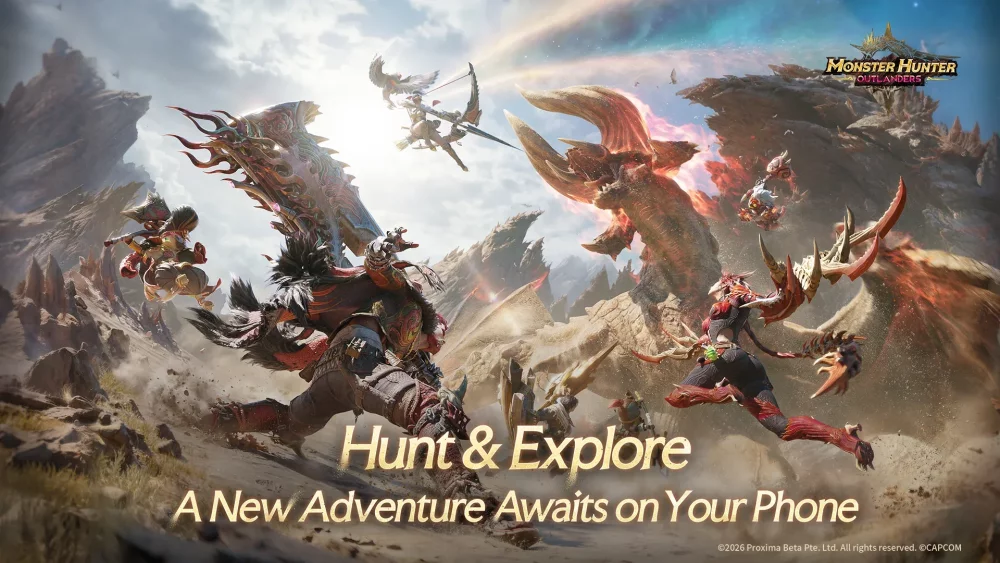
To prevent severe progression bottlenecks in Monster Hunter Outlanders, invest roughly 80 percent of your character resources into a single primary carry adventurer before upgrading secondary party members. Spreading experience consumables, breakthrough monster drops, and talent items across multiple characters lowers your team's overall damage output and leads to failed hunts against strict quest timers.
| Investment Strategy | Early Progression | High-Tier Hunt Viability | Resource Sustainability |
|---|---|---|---|
| Single Carry Focus | Fast clears and prompt milestone unlocks | Meets required monster damage checks | High; conserves rare materials |
| Even Roster Leveling | Flexible weapon and element choices | Stalls on enraged monster timers | Low; rapidly depletes coins and items |
Leveling Milestones and Breakthrough Targets
Adventurer levels increase raw attack, defense, and health, but progression halts at periodic rank caps that require rare monster breakthrough parts and escalating coin fees.
Manage your level progression using these rules:
- Target exact breakthrough thresholds: Level your primary carry directly to the current breakthrough cap. Avoid spending rare promotion tokens on secondary squad members until your lead unit clears the threshold.
- Track coin balances: High-tier breakthroughs require heavy coin fees. Verify your coin reserves before promoting to ensure you can still afford subsequent talent and weapon upgrades.
- Shift focus at level plateaus: Once your primary carry reaches a major level cap, stop spending experience items immediately. Direct your stamina toward gear crafting, which scales character combat stats more effectively than pushing past soft caps.
Talent Tree Investment Priorities
Talent trees provide active skill modifiers and passive stat enhancements, but talent scrolls and upgrade materials are strictly limited. Unlocking every node on an adventurer's grid quickly exhausts your inventory.
Prioritize nodes based on how directly they affect combat execution and damage uptime:
- Primary Active Weapon Skills: Maximize your lead adventurer's core combat skills and motion value multipliers first.
- Core Combat Passives: Unlock mechanics that improve weapon handling, such as gauge retention, charge speed reductions, stamina recovery, or recoil decreases.
- Direct Offensive Modifiers: Invest in attack power and critical hit nodes once active skills and mechanics are secured.
- Survival and Defensive Nodes: Skip flat health and defense nodes unless they serve as mandatory path prerequisites to reach deeper branches on the talent grid.
Support Member Resource Limits
Sub-members and off-field support characters provide healing, status conditions, and squad passive buffs. They do not require equal investment to fulfill these utility roles.
To keep secondary units functional without wasting resources:
- Stop at passive trait unlocks: Raise support characters only to the level required to activate their key squad buff or assist skill.
- Hold high-tier talent materials: Keep rare skill books and talent scrolls reserved for your primary attacker. Support units function adequately with baseline skill ranks.
- Recycle older equipment: Pass replaced armor sets and weapons from your primary carry down to your supports instead of crafting separate high-rank gear for them.
Daily Resource Farming Plan
Because daily energy is limited, align your hunting routines with the immediate bottleneck facing your primary character:
- Expedition Quests: Run expedition zones that reward character experience items and talent materials rather than general gathering runs.
- Targeted Large Monster Hunts: Fight only the specific monsters that drop the breakthrough materials needed for your carry's next promotion tier.
- Weekly Exchanges: Check shop counters before weekly resets to trade surplus hunt tokens for talent upgrade books.

Free Monster Hunter Outlanders Codes
Current active codes and how to redeem them.

Sarah Williams
Sarah specializes in RPG and collection games, explaining team building, character growth, and beginner-friendly ways to avoid expensive early mistakes.
COMMUNITY
Player Comments
41 players commented on this guide.
I wish I had read this before upgrading the wrong thing.
Good guide for Monster Hunter Outlanders players. The resources part was useful.
The tips are practical and easy to follow.
This saved me time in the early game.