
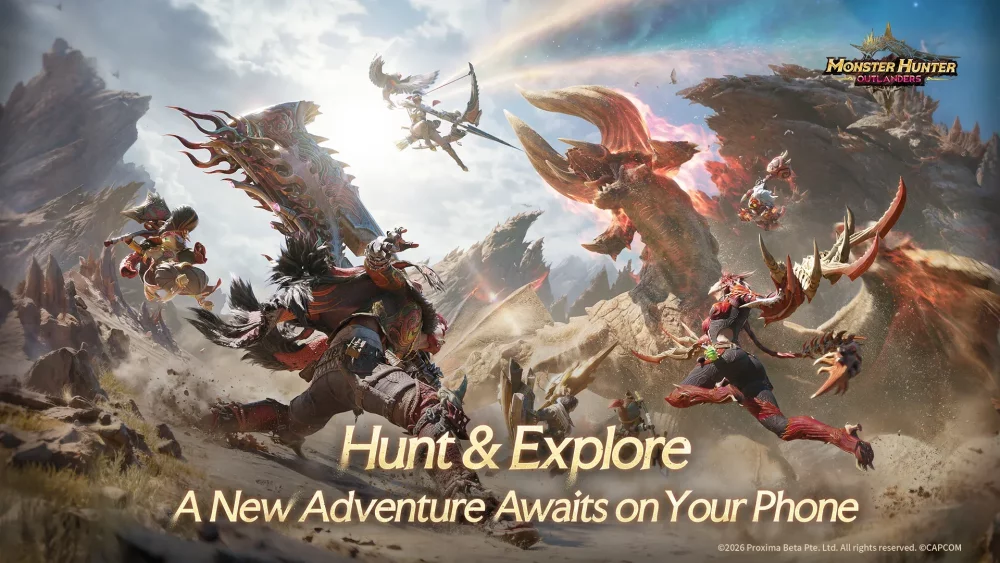
In Monster Hunter Outlanders, the "best" character is rarely the one topping a snapshot tier list; instead, it is the character that best complements your personal mechanical skill and the specific demands of the hunt. Because Monster Hunter Outlanders is an open-world action RPG that emphasizes environmental interaction and deep combat systems, the meta is naturally fluid. Players who chase "S-Tier" units often find themselves struggling when those characters receive balance adjustments or when a specific monster encounter punishes their playstyle. To succeed, you must shift your focus from chasing raw power to understanding the synergy between your adventurer’s kit and the core mechanics of the Monster Hunter experience.
Understanding the True Meta: Performance vs. Perception
Early tier lists for Monster Hunter Outlanders often prioritize high damage-per-second (DPS) output, but these rankings frequently ignore the complexity of high-level gameplay. During beta testing, characters that appeared "broken" often suffered from high animation commitment, meaning they were devastating against stationary targets but liabilities against faster, more aggressive monsters.
The current meta is defined by the developers' stated commitment to "listening and adjusting." This means that character power levels are subject to iterative tuning. Instead of viewing a tier list as a permanent hierarchy, view it as a guide to current player sentiment. If you invest all your resources into a character solely because they are currently at the top of a spreadsheet, you risk being left behind when the next balance patch shifts the meta. The true "meta" is having a versatile roster that allows you to swap roles based on the monster's weaknesses, rather than forcing one character into every single hunt.
The Three Pillars of Character Evaluation
When deciding which character to main or invest in, evaluate them against three fundamental pillars of gameplay. These metrics are more reliable indicators of long-term viability than static damage numbers:
- Mobility and Stamina Efficiency: In Monster Hunter Outlanders, movement is life. A character who can reposition quickly without exhausting their stamina bar is inherently better than a high-damage character who remains rooted in place during an attack animation.
- Sustain and Survivability: Does the character have built-in self-healing, damage mitigation, or invulnerability frames? In endgame hunts, the ability to stay in the fight without relying constantly on consumables is a massive force multiplier.
- Weapon Synergy: Remember that in this universe, the weapon defines the hunter. Your character’s innate abilities must complement their weapon type. For example, a character designed for high-impact blunt damage should be paired with a weapon that excels at staggering monsters, while a high-speed character should prioritize elemental or status-effect weapons to capitalize on frequent hits.
Why Weapon Mastery Outweighs Character Rarity
In most RPGs, character rarity dictates success. In Monster Hunter Outlanders, player skill is the primary gatekeeper. A player who understands the hitzones of a monster, knows when to commit to a long combo, and manages their spacing perfectly will always outperform a player using a top-tier character who doesn't understand the fundamental flow of the hunt.
Focusing on weapon mastery allows you to remain effective even if your character receives a nerf. If you learn the rhythm of the Great Sword or the utility of the Light Bowgun, that knowledge transfers across the entire roster. When you choose a character, ask yourself: Does this character’s playstyle make it easier for me to execute the weapon’s core mechanics? If the answer is yes, that character is "S-Tier" for you, regardless of what the broader community says.
Strategic Resource Management
The developer's "listen to the players" approach is a signal to play conservatively with your limited upgrade materials. Because balance changes are expected, you should avoid "all-in" investments on a single character until you have reached the endgame.
Recommended Progression Strategy:
- Diversify Early: Focus on leveling a core team of three characters that cover different damage types (e.g., one Slash, one Blunt, one Ranged). This ensures you are never locked out of a hunt due to a monster’s specific resistances.
- Prioritize Gear Versatility: Invest heavily in gear that offers universal benefits—such as stamina management, evasion distance, or affinity—rather than gear that only buffs a specific, niche ability.
- Hold Your Currency: Keep a "reserve" of resources. When a new patch drops, wait 48 hours for the community to test the changes before committing your saved materials to a newly buffed or reworked character.
Identifying Combat Weaknesses
Every character in Monster Hunter Outlanders comes with built-in trade-offs. Identifying these is key to your growth. If you are struggling with a specific hunt, don’t blame the character; look at the mechanics:
- Animation Locks: If you are constantly getting hit during your character’s ultimate ability, you are committing too early. Use that character only when the monster is exhausted or trapped.
- Resource Management Gauges: Some characters require specific bars to be filled to deal maximum damage. If you are failing to manage this, you are effectively playing at 50% efficiency. Practice on lower-level monsters until the resource management becomes muscle memory.
- Team Utility: If you play in groups, look for characters that offer buffs (Attack Up, Defense Up) or crowd control. These characters often stay relevant in the meta for much longer than "pure DPS" characters because their value to the team remains constant regardless of their personal damage output.
Final Thoughts: Adapting to the Future
Monster Hunter Outlanders is designed to be a long-term experience. The developers have explicitly indicated that they intend to refine the roster based on player feedback, which means the meta will be in a constant state of flux.
Your ultimate goal should be adaptability. By focusing on the mechanics of the hunt—weak-point targeting, environmental usage, and stamina management—you build a foundation that no balance patch can take away. Stop chasing the "strongest" character and start building the most versatile hunter. When you master the game's systems, you gain the freedom to play whoever you want, knowing that your skill will always be the deciding factor in whether you emerge victorious or end up carted back to camp.
Free Monster Hunter Outlanders Codes
Current active codes and how to redeem them.

Emily Johnson
Emily writes practical mobile strategy guides with a focus on resource planning, base progression, and the early decisions that shape a long-term account.
COMMUNITY
Player Comments
28 players commented on this guide.
I tried this today and it worked better than my old setup.
The tips are practical and easy to follow.
This helped me understand heroes much better.
This guide answered the exact question I had.