
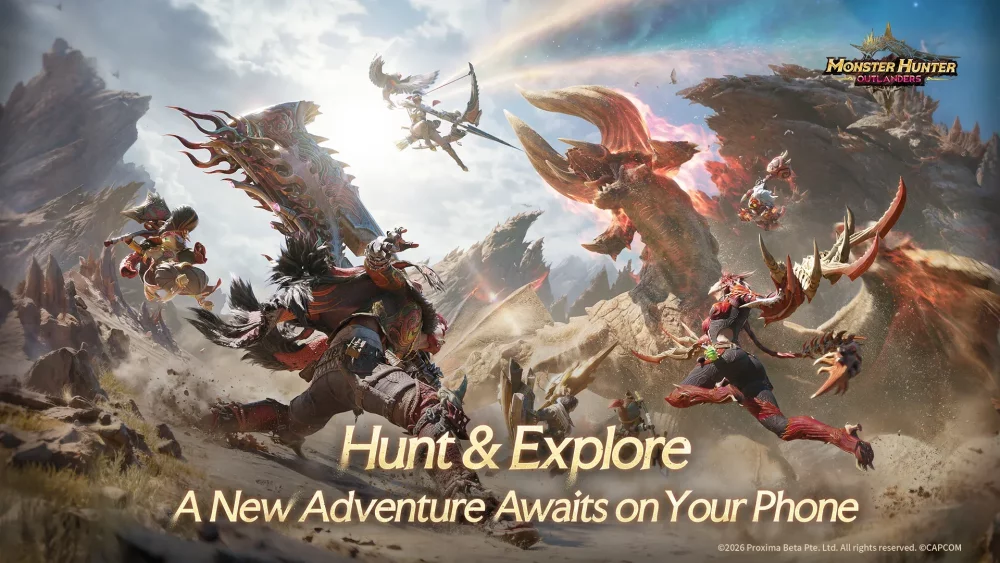
In Monster Hunter Outlanders, the traditional loop of hunting, carving, and crafting evolves into a complex management RPG. While the core combat remains true to the series’ high-skill requirements, the progression structure leans heavily into modern mobile design, introducing a character-based gacha system. To excel, you must treat your roster as a long-term investment, balancing your mechanical skill with the numerical power of your hunters.
Adapting to the Gacha-Driven Progression Loop
The most significant departure from mainline Monster Hunter titles is the shift from a "blank slate" hunter to a roster of unique, collectible characters. In Monster Hunter Outlanders, your power is no longer derived solely from your armor sets and weapon sharpness; it is tethered to the specific rarity and level of the characters you pull from the game’s banner system.
This design philosophy requires a fundamental shift in mindset. You are managing a party of specialists, each with unique traits and combat styles. Success hinges on your ability to:
- Target Banners: Focus your currency on banners that feature hunters or weapons covering your elemental weaknesses.
- Specialization over Diversity: Avoid spreading resources thin. Instead, focus on building a core team that provides versatility across different monster types.
- Evaluate Value: Use early-game currency to secure a "carry" character who can consistently clear content, allowing you to farm resources for secondary units.
Navigating the Character Upgrade System
Once you acquire a character, you enter a dual-progression loop. You must juggle traditional monster-part crafting—which remains vital for gear—alongside a character-specific upgrade system. To keep your hunters viable for endgame expeditions, you must invest in ascension materials and base-stat enhancements.
Priority Progression Rules
- The "Carry" First: Allocate 70% of your initial upgrade materials to your primary damage dealer. A single maxed-out unit is significantly more effective than three mid-tier, under-leveled hunters.
- Material Sourcing: Unlike standard crafting, character upgrades often require specific, time-gated materials found in daily instances or exploration nodes. Make these a mandatory part of your daily log-in routine.
- Weapon Synergy: Ensure your hunter’s weapon proficiency matches their innate bonuses. Investing in a top-tier hunter only to pair them with an incompatible weapon type is the most common pitfall for new players.
Understanding the "Two-Dimensional" Design Influence
Monster Hunter Outlanders utilizes a "two-dimensional" design—a common term for games that blend high-fidelity exploration with mobile-friendly, session-based loops. While you can still spend hours exploring the open world, your progression is measured by daily stamina usage, mission completions, and incremental stat gains.
This structure creates "stat walls." In previous Monster Hunter games, a skilled player could defeat an endgame boss with low-tier gear through sheer mechanical perfection. In Monster Hunter Outlanders, even the most talented player will eventually encounter a damage-check threshold. If your character’s level or weapon stats aren't high enough, you will struggle to clear content within the allotted time. Consequently, you must balance your "hunting time" with "management time"—clearing daily tasks and resource dungeons is just as critical as downing a flagship monster.
Balancing Combat Skill and Character Power
Despite the introduction of gacha systems, the core gameplay remains an authentic Monster Hunter experience. You must still read monster attack patterns, manage stamina, and time your dodges or guards perfectly.
Troubleshooting Your Hunts
If you are consistently failing missions, diagnose the cause before spending more resources:
- If you are timing out: Your character’s base stats or weapon level are likely insufficient. Focus on ascension materials or upgrading your primary weapon's rarity.
- If you are fainting: Your mechanical execution is likely the issue. Even with a high-rarity character, you cannot facetank endgame monsters. Invest in defensive gear sets and spend time learning the "tell" for boss attacks.
Strategic Resource Management for Beta Players
Resources in Monster Hunter Outlanders are finite. To maximize your efficiency during the beta, you must adopt a disciplined economic strategy.
The Golden Rules of Resource Allocation:
- Hoard for Banners: Resist the urge to pull on every banner. Save your primary currency for limited-time characters that offer significant utility or elemental advantages against upcoming monster rotations.
- Prioritize Stamina: Always use your stamina on missions that guarantee character ascension materials. Generic currency is often plentiful, but specific rare materials are the true bottlenecks for progression.
- Elemental Coverage: Aim to have at least one high-level hunter for each element (Fire, Water, Thunder, Ice, Dragon). This will save you from being hard-countered by boss resistances in later stages.
By shifting your focus toward a systematic, long-term resource management strategy, you ensure that your progress remains steady. Remember: in Monster Hunter Outlanders, your success is defined by how well you prepare before you ever step into the field. Treat your roster with the same care as your weapon loadout, and you will dominate the new world.

Free Monster Hunter Outlanders Codes
Current active codes and how to redeem them.

James Brown
James focuses on Android gaming on PC, emulator setup, controls, performance tuning, and practical troubleshooting for longer play sessions.
COMMUNITY
Player Comments
95 players commented on this guide.
The tips are practical and easy to follow.
I tried this today and it worked better than my old setup.
Good guide for Monster Hunter Outlanders players. The heroes part was useful.
I wish I had read this before upgrading the wrong thing.