
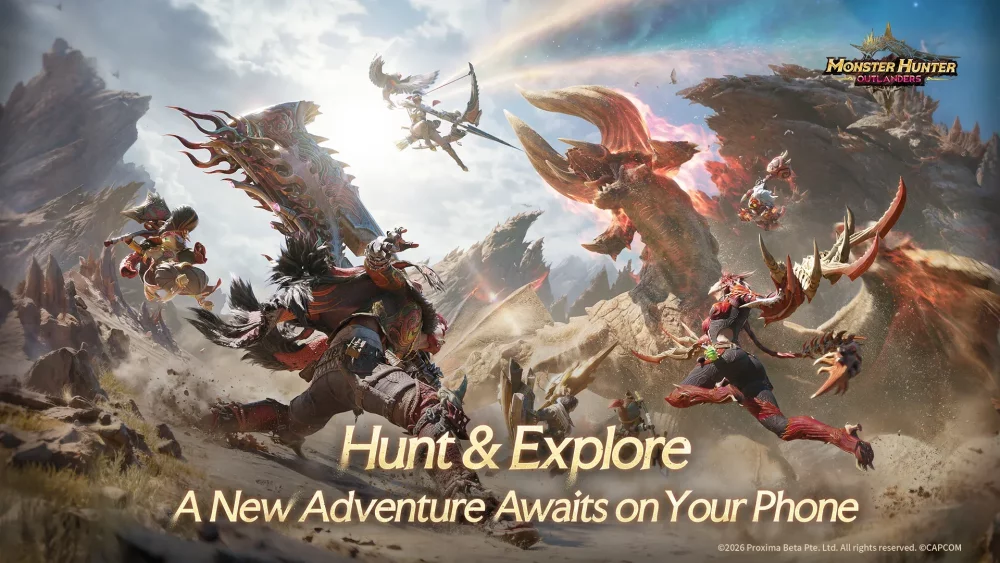
Monster Hunter Outlanders represents a bold evolution for the franchise, blending the series’ iconic, high-stakes combat with modern mobile progression mechanics. For veterans and newcomers alike, the transition to a gacha-based ecosystem can be daunting. Success in this title requires more than just mechanical skill; it demands a disciplined approach to roster building, currency management, and the integration of open-world exploration into your daily play loop.
This guide provides the expert framework needed to navigate Monster Hunter Outlanders effectively, ensuring your progression remains steady regardless of your investment level.
Understanding the Gacha-Driven Roster System
Unlike traditional Monster Hunter entries where you build your capabilities solely through crafting, Monster Hunter Outlanders introduces a character-gacha layer. Your ability to tackle specific monster weaknesses is now tied to the "Hunters" you acquire through summons.
The Value of Versatility
Early-game players often make the mistake of chasing "damage-per-second" (DPS) units. In a hunting environment, utility is often more valuable than raw stats.
- Elemental Coverage: Because monsters have specific elemental weaknesses, prioritize pulling characters that cover different elements (Fire, Water, Thunder, Ice, Dragon) rather than stacking multiple units of the same type.
- Role Diversity: Look for hunters that provide utility beyond damage, such as healing, buffs, or specific monster-taming abilities. A balanced team allows you to handle a broader range of threats without needing to pull on every new banner.
- Weapon Synergy: Since your character dictates your weapon usage, ensure your roster includes a mix of melee and ranged options. This flexibility is crucial for adapting to the distinct attack patterns of different monster classes.
Balancing Paid Progression and Hunting Skill
The most common trap in Monster Hunter Outlanders is the belief that high-tier gacha gear can replace player skill. While a rare weapon or character provides a significant statistical edge, the core identity of the game remains rooted in the franchise's signature combat loop.
Why Skill Remains King
Even with a "whale-tier" roster, you will eventually hit a wall if you cannot dodge, time your attacks, or manage your stamina.
- The Mechanical Wall: Late-game bosses are designed to punish players who rely on "stat-checking." You must prioritize learning monster tells—the subtle animations monsters perform before executing powerful attacks.
- Investment Return: Treat your gacha-acquired gear as a force multiplier. If you are skilled at the game, a top-tier weapon will shave minutes off your hunt times. If you lack fundamentals, that same weapon will simply allow you to take more hits before failing the quest.
- Practice Over Pulls: Use early-game encounters to master your favorite weapon types. Understanding the flow of combat will save you more time and materials in the long run than any single gacha pull ever could.
Strategic Resource Allocation for Long-Term Play
Long-term success in Monster Hunter Outlanders is won or lost in the menu screens. Managing your premium currency (gems) and upgrade materials is essential for staying competitive as the game introduces more difficult content.
The "Pity" and Banner Strategy
- Hoarding for Pity: Understand the game’s "pity" system (the guarantee of a high-rarity item after a set number of pulls). Never pull on a banner unless you have enough currency to reach the pity threshold.
- Focus on Core Utility: Avoid "FOMO" (Fear Of Missing Out) on every new character. Evaluate whether a new banner character fills a genuine gap in your roster. Is it an element you lack? A weapon type you don't have? If not, save your resources for banners that provide permanent, long-term value.
- Daily Progression: Always prioritize daily missions and limited-time events. These sources often provide the "f2p" materials required for ascension and weapon upgrades, reducing the pressure to spend gems on resource packs.
Navigating the Open-World Mobile Design
The open-world structure of Monster Hunter Outlanders changes how you approach standard farming. Instead of loading into a mission and hunting, you are navigating a persistent environment.
Integrating Passive Gathering
Treat your exploration as a core mechanic, not a chore. The materials you gather from nodes in the open world are the backbone of your gear upgrades.
- Node Optimization: During travel, make a habit of hitting every gathering node in your path. These small, frequent gains prevent the "material droughts" that often force players to spend money to speed up progression.
- Efficient Traversal: Learn the map layouts. Knowing where rare nodes spawn or where specific monster spawns are located allows you to optimize your daily route, turning a 15-minute play session into a highly productive farming run.
- Mobile-First Habits: Because the game is designed for mobile sessions, use your short gaps throughout the day to clear local gathering nodes rather than waiting for a long session to tackle major bosses.
Common Mistakes to Avoid
To ensure your progression remains efficient and enjoyable, steer clear of these common pitfalls:
- Over-investing in Starter Gear: Do not waste rare upgrade materials on base-tier weapons that will be replaced quickly. Save your best resources for your core, SSR-tier equipment.
- Neglecting Elemental Strengths: Attempting to force a "favorite" character through a hunt where they are at an elemental disadvantage is a recipe for frustration. Always match your team to the monster's weakness.
- Ignoring Event Rewards: Event-exclusive items are often the most cost-effective way to boost your power. Even if you aren't interested in the character, the materials and currencies offered in events are essential for long-term growth.
- Forgetting to Manage Stamina/Energy: Efficient use of your energy resources is the primary gatekeeper for progress. Ensure you are spending your energy on the most rewarding activities, such as material farming or rank-up challenges.
Conclusion: The Path Forward
Monster Hunter Outlanders is a marathon, not a sprint. By focusing on building a versatile roster, mastering the nuances of combat, and diligently managing your resources, you can enjoy the full depth of the experience without feeling forced into excessive spending. Remember: the best hunter isn't the one with the most expensive gear, but the one who knows how to use every tool at their disposal to overcome the fiercest monsters in the wild. Focus on your fundamentals, plan your pulls, and the rewards will follow.

Free Monster Hunter Outlanders Codes
Current active codes and how to redeem them.

Sarah Williams
Sarah specializes in RPG and collection games, explaining team building, character growth, and beginner-friendly ways to avoid expensive early mistakes.
COMMUNITY
Player Comments
135 players commented on this guide.
Can you add more details about resources in a future update?
The explanation is clear, especially for beginners.
I tried this today and it worked better than my old setup.
Good guide for Monster Hunter Outlanders players. The resources part was useful.