
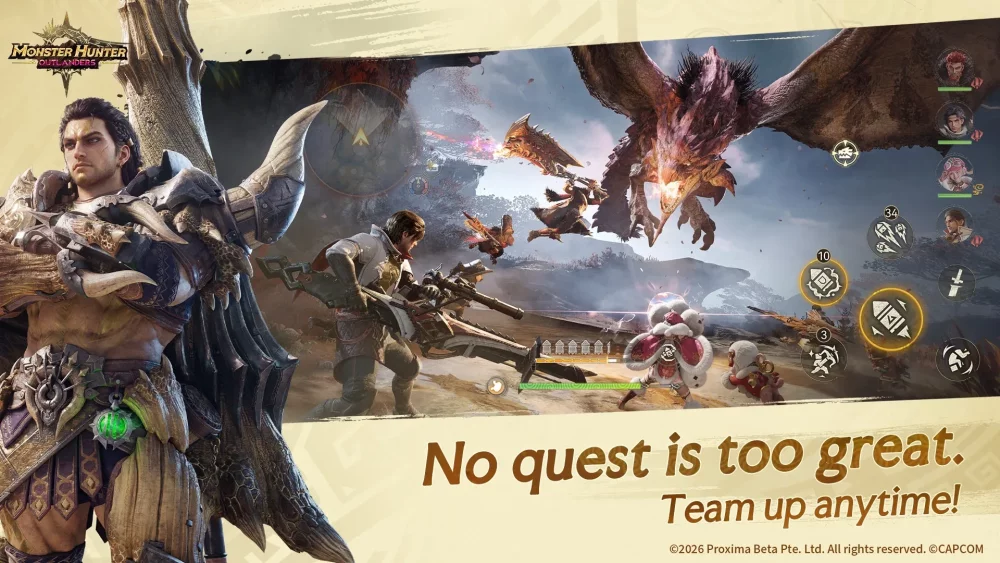
Mastering the unique systems in Monster Hunter Outlanders requires more than just raw damage; it demands an understanding of how the environment and character-specific movement mechanics influence the flow of a hunt. Unlike traditional entries in the series, Monster Hunter Outlanders emphasizes seamless open-world exploration and tactical interaction. By utilizing streamlined gathering, environmental traversal, and character-locked utility skills, players can significantly reduce downtime between combat encounters. This guide breaks down the core systems that differentiate this title, ensuring you prioritize the right mechanics for efficient exploration and successful monster suppression.
Maximizing Environmental Traversal Efficiency
Movement in Monster Hunter Outlanders is designed for fluidity, allowing hunters to traverse vast landscapes without the interruption of loading screens. To master this, you must stop viewing the environment as a static backdrop and start seeing it as a tool for mobility.
- Wire-Assisted Movement: Use your wire-assisted traversal to bypass vertical obstacles quickly. Unlike standard climbing, which consumes consistent stamina, wire-dashing allows for rapid repositioning that can be chained to maintain momentum.
- Stamina Conservation: Avoid standard sprinting when traveling long distances. Instead, utilize "sliding" or "vaulting" mechanics off inclines to trigger movement buffs. Save your stamina bar specifically for critical combat dodges or emergency evasions during a fight.
- High-Ground Advantage: Always identify elevated vantage points before starting a hunt. Initiating combat from a height allows for an aerial engagement, which increases your chances of applying mounting pressure early, effectively staggering the monster before it can initiate its primary attack cycle.
Integrating Character-Specific Utility Skills
A core pillar of Monster Hunter Outlanders is the introduction of character-specific utility skills. These are not merely combat buffs; they are tactical assets that change how you approach specific biomes.
When building your team, look beyond the weapon class and evaluate the secondary passive skills. For example, some characters possess traits that reduce stamina consumption specifically in snow or desert biomes. Others may offer "aggro-manipulation" skills that allow you to draw the monster away from a healer or a downed teammate.
Expert Tip: Always rotate your hero composition based on the biome. If a hunt takes place in a multi-stage environment, carry a balanced team where one character focuses on mobility for travel, and two focus on damage and elemental suppression. Reviewing your hero’s secondary skill set before you depart camp can save you from wasting resources on stamina-restoring items during long treks.
Streamlining Resource Gathering Systems
Monster Hunter Outlanders significantly reduces the "grind" of manual gathering. The game features an automated collection system that detects nearby materials as you pass by, provided you have the correct gathering gear equipped.
To optimize this:
- Prioritize Gear Upgrades: Invest early in gathering-centric armor or charm upgrades that increase your "collection radius."
- Passive Farming: Don't stop your movement for low-tier herbs or ores. If your equipment is set up correctly, your character will gather these items automatically while you sprint or move toward your hunt objective.
- Strategic Inventory Management: Because you will collect more items passively, keep your inventory lean. Periodically craft consumables or sell excess low-tier components at the hub to ensure you have space for rare monster materials during your main encounters.
Utilizing Combat-Integration Features
Combat in Monster Hunter Outlanders is deeply tied to the environment. The arena is not just a space to fight; it is a collection of interactive hazards that can turn the tide of a difficult boss battle, such as against the Radiant Prismatic Dragon.
- Destructible Terrain: Look for hanging stalactites, loose boulders, or environmental traps. Using a heavy weapon attack to trigger these can result in a knockdown, granting you a massive window to deal sustained damage.
- Force Multipliers: When fighting high-difficulty monsters, lead them toward environmental hazards. This is an essential strategy for solo players. If you cannot rely on a team to distract a boss, use the environment to create your own openings.
- Positioning: Observe the arena's geometry. Certain monsters have attacks that can be mitigated by standing behind pillars or structures. Learning which structures are destructible and which provide cover is a key skill for high-level survival.
Navigating the New UI and Tactical Overlays
The user interface in Monster Hunter Outlanders provides real-time data that is essential for advanced play. If you ignore the tactical overlays, you are playing at a disadvantage.
- Weakness Indicators: Keep your eyes on the monster's health bar and the tactical overlay. When a monster is staggered, the UI will often highlight specific breakable parts that are currently vulnerable. Focus your attacks on these areas to maximize your output.
- Stamina Management: The dynamic stamina gauge isn't just for movement; it tracks your ability to perform perfect dodges. If you see the gauge flashing red, prioritize defensive positioning over aggression.
- Cooldown Tracking: The side-panel UI displays your team’s utility skill availability. If you are playing in a group, wait for your teammates' buffs to activate before committing to a "Full Burst" or long-animation combo.
Common Mistakes to Avoid
- Ignoring Biome Requirements: Many players ignore the passive utility skills of their heroes, leading to stamina depletion in harsh environments. Always check your party buffs before heading into an extreme climate.
- Over-Gathering: Do not prioritize manual gathering of common nodes. You lose valuable time that could be spent on the hunt. Let your automated gear handle the resource collection.
- Forgetting Environmental Hazards: New players often focus entirely on their weapon combos. Remember that a well-placed trap or a triggered rockslide is often more effective than a standard weapon attack when fighting high-HP monsters.
By integrating these strategies into your gameplay loop, you move from a reactive player to a proactive hunter. Master the movement, respect the environment, and leverage your team’s utility to dominate the world of Monster Hunter Outlanders.

Free Monster Hunter Outlanders Codes
Current active codes and how to redeem them.

Emily Johnson
Emily writes practical mobile strategy guides with a focus on resource planning, base progression, and the early decisions that shape a long-term account.
COMMUNITY
Player Comments
68 players commented on this guide.
Nice guide. I am checking the other Monster Hunter Outlanders articles next.
Good guide for Monster Hunter Outlanders players. The heroes part was useful.
This helped me understand heroes much better.
Can you add more details about heroes in a future update?