
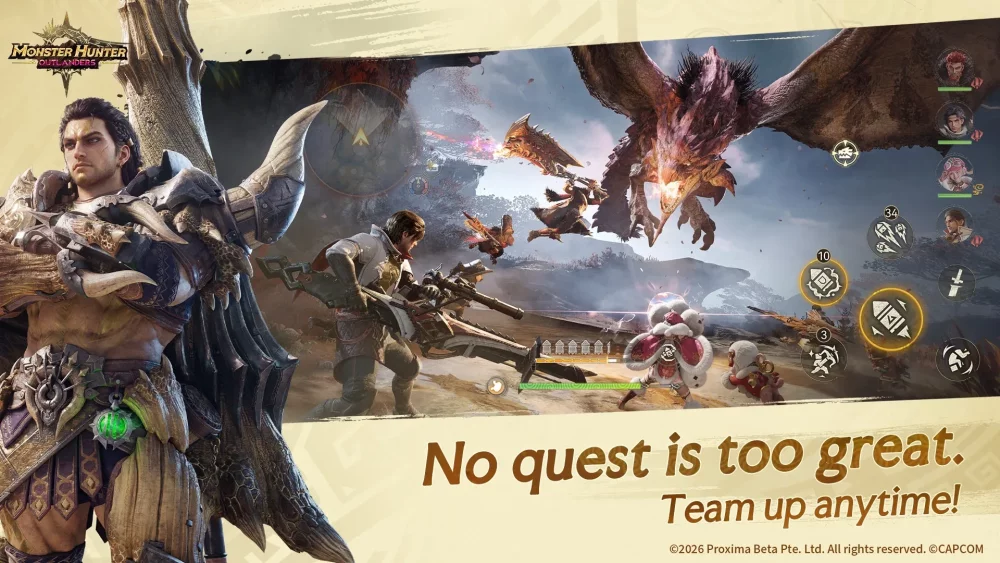
Monster Hunter Outlanders brings the iconic monster-slaying formula to mobile devices, but it introduces a monetization model that differs significantly from the console and PC entries in the franchise. For veteran hunters and newcomers alike, understanding how the gacha system interacts with the core gameplay loop is essential to managing your resources and maintaining a satisfying experience. This guide breaks down the mechanics of the shop, the impact of randomized pulls, and how you can optimize your progression without compromising the "hunt."
The Mechanics of Gacha in Monster Hunter Outlanders
At its core, Monster Hunter Outlanders shifts the traditional acquisition model. While main-series titles rely on crafting gear from monster materials, Monster Hunter Outlanders utilizes a gacha system for obtaining specific weapons and, in some configurations, characters.
This change represents a fundamental shift in the reward loop. In traditional entries, you hunt a Rathalos to craft a Rathalos sword. In this mobile iteration, you are often incentivized to pull for specific items via banners. This means that your "best-in-slot" gear is frequently tied to probability rather than deliberate farming.
Key Differences to Keep in Mind:
- Targeted Farming vs. Random Pulls: While you can still craft gear, high-tier, end-game, or "featured" gear often requires premium currency.
- Banner Rotation: Like many mobile RPGs, weapons and characters appear on limited-time banners. Once these banners expire, the items may become unavailable for an extended period, creating a sense of urgency.
- Resource Management: Premium currency is finite for free-to-play (F2P) players, making the decision of which banner to pull on the most important strategic choice in the game.
Weapon Gacha and the "Crafting" Philosophy
The primary concern for the community is whether gacha weapons diminish the satisfaction of the grind. In Monster Hunter, the grind is the game. When you buy a powerful weapon, you bypass the "learning curve" associated with earning it.
To preserve the fun of the game, view your weapons not just as stats, but as tools. If you rely solely on gacha weapons, you may find yourself with high damage output but a lack of experience with the weapon's unique moveset.
- The Strategy: Even if you pull a top-tier weapon, spend time in the training area. Understanding the weapon's reach, recovery frames, and combo potential is more valuable in the long run than the base attack stat provided by a 5-star pull.
Character-Centric Progression: A New Dynamic
Monster Hunter Outlanders introduces specific characters, moving the series toward a hero-collector format. This means your combat efficiency is no longer just about your armor skills and weapon choice, but also the specific character you bring into the field.
Managing Character Power Creep
Hero-collectors often suffer from power creep, where newer, shinier characters make older ones obsolete. To avoid wasting resources:
- Wait for Meta Reports: Don't pull on the first day of a new character release. Wait a few days for the community to test their efficiency against current end-game monsters.
- Focus on Versatility: Prioritize characters that offer team utility or high mobility, as these traits remain relevant longer than raw damage numbers.
- Invest in Fundamentals: No character can save you from a failure to dodge. Focus on mastering the game’s core combat loop—which is identical to the series' roots—before spending heavily on character banners.
Skill vs. Financial Investment: Where the "Wall" Lies
In traditional Monster Hunter, players hit "walls" when they encounter a monster that requires better gear or, more importantly, better mechanical execution. In Monster Hunter Outlanders, the wall can feel financial. If you are stuck on a quest, ask yourself: "Am I failing because my damage is too low (gear check), or because I haven't learned the monster's patterns (skill check)?"
Signs You Are Hitting a Skill Wall:
- You are getting hit by the same telegraphed attacks repeatedly.
- You are running out of stamina at crucial moments.
- You are consistently missing your damage windows (e.g., attacking during the monster's recovery phase).
If you identify a skill wall, no amount of money spent on gacha will solve the problem. Practice is free, and it is the only way to ensure your longevity in the game.
Strategic Tips for F2P and Low-Spenders
If you want to enjoy Monster Hunter Outlanders without breaking the bank, you must treat your in-game currency like a precious resource.
- Hoard for Synergy: Instead of pulling on every banner, save your currency for a "complete set" or a character/weapon combo that works perfectly with your playstyle.
- Avoid Impulse Purchases: The shop is designed to create a sense of scarcity. If you feel pressured to buy, step away from the game. The monsters will still be there tomorrow.
- Focus on Craftable Gear: Always check the materials-based crafting trees first. Often, craftable gear is more than sufficient to clear the main story, allowing you to save your gacha pulls for truly game-changing equipment.
Final Thoughts: Protecting the "Hunter" Experience
The transition of Monster Hunter Outlanders into a gacha-influenced ecosystem is a significant change. While the temptation to "pay to progress" is baked into the mobile platform's design, the joy of the franchise remains rooted in the hunt.
Do not let the monetization system turn the game into a spreadsheet of stats. Your value as a player is measured by your ability to hunt successfully, not by the rarity of the items in your inventory. By focusing on skill, being selective with your pulls, and understanding that the "grind" is the soul of the experience, you can enjoy everything Monster Hunter Outlanders has to offer without falling into the trap of unnecessary spending.
Free Monster Hunter Outlanders Codes
Current active codes and how to redeem them.

Michael Smith
Michael covers live-service games, events, reward systems, and efficient daily routines, turning frequent updates into clear actions for players.
COMMUNITY
Player Comments
63 players commented on this guide.
Nice guide. I am checking the other Monster Hunter Outlanders articles next.
I tried this today and it worked better than my old setup.
The explanation is clear, especially for beginners.
Can you add more details about base building in a future update?