
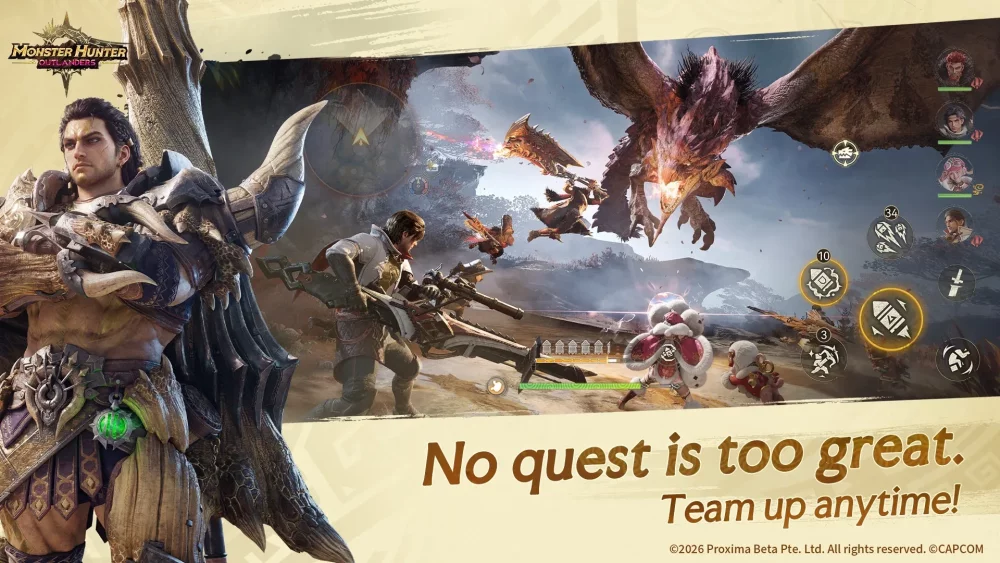
Monster Hunter Outlanders replaces the traditional lobby-and-quest structure with a seamless open world. To adapt, you must treat exploration, material gathering, and combat as a continuous loop rather than separate gameplay phases. Collect resources while traveling between zones, practice high-mobility traversal in safe areas to protect your stamina, and scout monster movement before engaging.
Open-World Structural Shifts
Removing segmented loading screens changes how you navigate maps, collect items, and track targets. Instead of returning to a central base between brief hunting instances, your routine occurs entirely within an interconnected ecosystem.
| System | Traditional Mechanics | Outlanders Open-World Adaptation |
|---|---|---|
| Map Navigation | Discrete zones separated by loading screens | Seamless, interconnected environment with high verticality |
| Resource Gathering | Dedicated farming trips or secondary quest actions | Continuous gathering integrated directly into travel routes |
| Monster Tracking | Paintballs or scoutflies pointing to locations | Visual cues and active map tracking across changing biomes |
| Combat Engagement | Confined encounters restricted by quest timers | Player-initiated battles with optional scouting periods |
Navigating and Utilizing High-Mobility Traversal
The environment in Monster Hunter Outlanders rewards vertical movement and speed. You can scale cliffs and utilize environmental tools to bypass terrain bottlenecks, reach high-altitude gathering nodes, or find direct routes into monster dens.
- Practice stamina management: High-mobility traversal actions drain stamina. Avoid over-committing to complex movement options when hostile monsters are nearby, as depleting your stamina leaves you vulnerable to incoming attacks.
- Test tools in neutral zones: Get comfortable with your mobility actions in quiet areas before relying on them during battle maneuvers or fast escapes.
- Use height for scouting: Scale high vantage points to locate targets and map out high-value resource nodes across the landscape.
Integrating Real-Time Resource Gathering
Resource collection is no longer a dedicated side task. Materials are scattered along your primary traversal paths, meaning you should harvest constantly while moving toward your next hunting target.
- Grab items on the fly: Interactive nodes yield crafting and upgrade materials. Collecting them mid-travel eliminates the need for separate farming sessions.
- Mark high-yield areas: Identify rich resource clusters while exploring and place custom map markers. Revisit these marked paths during subsequent sessions to keep your inventory supplied.
Managing Unscripted Monster Encounters
Without strict quest timers, you control when an engagement begins. Use this agency to learn how targets interact with the surrounding map.
- Observe patrol routes: Track a target's visual movement cues across biomes before drawing your weapon. Watch how it adapts to environmental changes, temperature shifts, or local hazards.
- Identify environmental traps: Locate nearby cliffs, natural hazards, or bottlenecks during your scouting phase so you can lure the monster into compromised positions.
- Prepare for multi-monster interference: Because the ecosystem is persistent, wandering monsters can interrupt active battles. If a second predator enters your fight, either manipulate the resulting turf war for extra damage or retreat to a safe distance until conditions stabilize.

Free Monster Hunter Outlanders Codes
Current active codes and how to redeem them.

Sarah Williams
Sarah specializes in RPG and collection games, explaining team building, character growth, and beginner-friendly ways to avoid expensive early mistakes.
COMMUNITY
Player Comments
41 players commented on this guide.
This guide answered the exact question I had.
The tips are practical and easy to follow.
I wish I had read this before upgrading the wrong thing.
The explanation is clear, especially for beginners.