
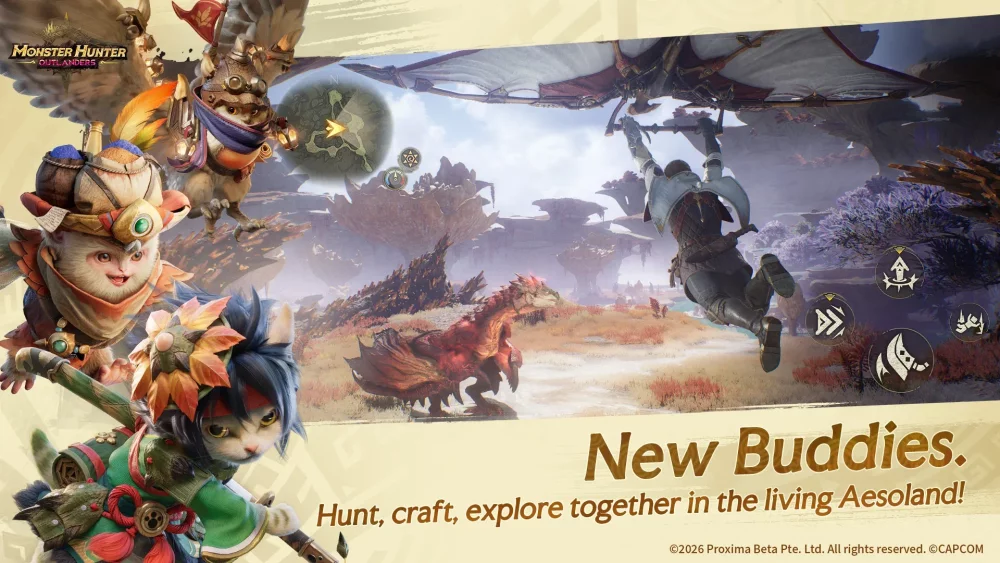
In Monster Hunter Outlanders, your progression is defined by how effectively you combine your roster of adventurers with the game’s signature weapon mechanics. Because the game utilizes a gacha-based system for unlocking characters, understanding which units sit at the top of the meta is essential for managing your resources and tackling high-rank hunts. Currently, the meta is dominated by SSR-tier adventurers who offer superior skill scaling and unique combat utility, with characters like Cless serving as the benchmark for top-tier performance.
The Meta Landscape: Why SSR Characters Reign Supreme
In the current version of Monster Hunter Outlanders, the power gap between rarities is significant. SSR characters are not merely "stat sticks"; they possess specialized skill kits designed to manipulate the flow of combat. While lower-tier characters can clear early-game content, you will find that as you reach mid-to-late game hunts, the mechanics of monsters become increasingly punishing.
SSR units provide three core advantages that justify their priority:
- Skill Versatility: Higher-tier characters often have active skills that provide crowd control, burst damage windows, or massive defensive buffs.
- Stat Efficiency: They possess higher base growth rates, meaning your investment in leveling materials yields a much higher return on investment (ROI).
- Passive Synergy: SSR units often provide team-wide buffs or elemental resonance bonuses that are mathematically superior to anything lower-tier units can provide.
Top-Tier Character Focus: The Cless Standard
Based on closed beta testing and early launch meta analysis, Cless stands at the forefront of the current tier list. His kit is highly favored due to its consistency. When evaluating characters for your primary party, look for these specific traits that define the "Cless-tier" units:
- Ability to Create Openings: The best characters in Monster Hunter Outlanders have skills that can stagger or break monster parts more effectively than standard attacks.
- Self-Sustain: Characters who can heal themselves or provide damage mitigation are vital, as they reduce the reliance on external healing items during long, attrition-based hunts.
- Weapon Compatibility: Top-tier characters usually have a "favored" weapon type that triggers a bonus effect when equipped, granting extra attack speed or reduced skill cooldowns.
Evaluating Weapon Synergies and Pairings
Never view a character in isolation. In Monster Hunter Outlanders, a character's effectiveness is locked behind the weapon they wield. The game functions on a dual-layer combat system where the character dictates your "special move" set, while the weapon dictates your fundamental movement and attack patterns.
To determine if a pairing is top-tier, ask yourself the following questions:
- Does the weapon’s attack animation lock you in place? If so, prioritize pairing it with a character who offers high mobility or defensive uptime.
- Is the weapon elemental? If your weapon deals Fire damage, pairing it with a character who provides Fire-type damage buffs is essential for maximizing DPS against monsters with specific elemental weaknesses.
- Are the cooldowns aligned? The most lethal players time their character’s active skill to coincide with the weapon’s "Special Action." If a character’s skill buff lasts for 10 seconds, your weapon should be capable of outputting its highest damage during that specific window.
Strategic Resource Allocation: Don't Spread Too Thin
One of the most common mistakes new players make in Monster Hunter Outlanders is attempting to level every character they pull. Resources like XP materials and refinement stones are finite.
Follow these rules to optimize your account:
- Build a Core "Carry": Choose one SSR character who excels in multiple scenarios and commit 80% of your resources to them. They will be your anchor for solo hunts.
- Refinement Over Rarity: An upgraded high-tier weapon is often more important than a secondary character. If you are struggling with a quest, check your weapon’s refinement level before blaming your character choice.
- Wait for the Meta to Settle: Because this is an evolving live-service game, do not feel pressured to "pity" pull for a character unless they fill a specific elemental void in your current roster.
How to Adapt to Meta Shifts
Monster Hunter Outlanders will naturally evolve. As developers introduce new monsters, they often introduce mechanics that counter existing meta strategies. For instance, if a new meta boss requires high-frequency attacks to break a shield, a previously "B-tier" fast-attacking weapon might suddenly jump to "S-tier."
Watch for these signs of shifting meta:
- Balance Patches: Keep an eye on patch notes for "Base Damage" or "Skill Cooldown" adjustments. Even minor tweaks to a character’s animation frames can significantly change their viability.
- New Weapon Types: Whenever a new weapon class is added, check if your current SSR characters have passive skills that buff that specific weapon type.
- Monster Weakness Rotations: The game rewards players who have a diverse elemental roster. Even if a character is "low tier," if they are the only one that provides a specific elemental advantage against a difficult weekly boss, they are worth bringing to the hunt.
Mastering Combat Effectiveness
Tier lists are merely guidelines; your personal skill is the final multiplier of your damage output. Monster Hunter Outlanders rewards players who understand the "rhythm" of a hunt.
To maximize your effectiveness:
- Master the "Perfect Dodge": Regardless of your tier, every character has access to evasion mechanics. A perfectly executed dodge is often worth more than any stat boost a character provides.
- Chain your Skills: Don't fire all your abilities at once. Learn the monster's "downed" state—when the monster is incapacitated, that is when you should unload your character's full skill rotation combined with the weapon’s strongest combo.
- Support Units Matter: Even if you have a top-tier damage dealer, ensure your secondary team slots are filled with support-oriented characters who can provide consistent debuffs or healing. A team that stays alive is a team that eventually wins the hunt.
By focusing your investment on high-utility SSR units, mastering the synergy between your weapon’s mechanics and your character’s active skills, and adapting to the evolving monster roster, you will find yourself consistently clearing the most difficult content in Monster Hunter Outlanders.
Free Monster Hunter Outlanders Codes
Current active codes and how to redeem them.

Michael Smith
Michael covers live-service games, events, reward systems, and efficient daily routines, turning frequent updates into clear actions for players.
COMMUNITY
Player Comments
121 players commented on this guide.
Nice guide. I am checking the other Monster Hunter Outlanders articles next.
Can you add more details about heroes in a future update?
This guide answered the exact question I had.
I wish I had read this before upgrading the wrong thing.