
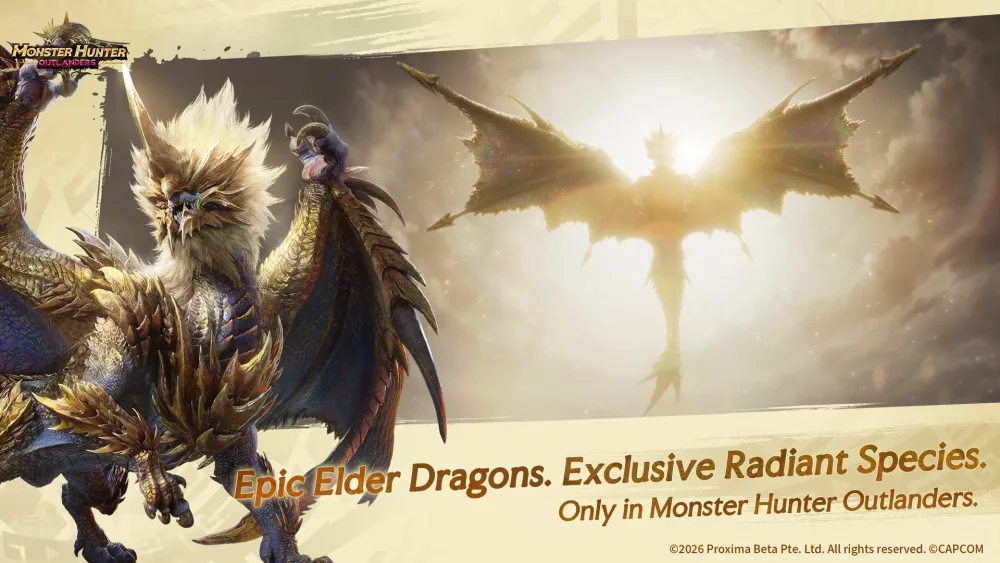
In Monster Hunter Outlanders, recruited Adventurers retain their full character specialization passives while wielding status weapons like Paralysis and Poison. While the Protagonist (MC) deactivates their specialization tree when equipping non-matching weapons, recruited Adventurers do not suffer this penalty. You can freely assign status gear to your recruited roster to trigger crowd control without forfeiting talent bonuses or stat multipliers.
Protagonist vs. Adventurer Specialization Rules
The assumption that status armaments disable character passives stems from how the Protagonist operates:
- Protagonist (MC): Switching off designated weapon setups or equipping non-matching gear disables the Protagonist's active specialization tree, stripping away talent scaling and passive attribute bonuses.
- Recruited Adventurers: Summoned and recruited fighters keep all unique specialization nodes, passive stat increases, and ability enhancements fully active regardless of whether they wield raw, elemental, or status weapons.
Because Adventurers do not lose their core combat bonuses, characters like Cress can wield Paralysis or Poison armaments without compromising their baseline performance.
Status Weapon Types and Application
Status buildup relies on hit counts rather than raw damage numbers. High-frequency weapon types accumulate threshold points faster, triggering earlier incapacitation phases.
| Status Type | Combat Effect | Ideal Weapon Types | Target Matchup |
|---|---|---|---|
| Paralysis | Freezes the monster in place; interrupts active attacks and flight | Dual Blades, Sword and Shield | Fast, aggressive monsters; multi-part break targets |
| Poison | Deals flat percentage-based damage over time | Dual Blades, Bow, Light Bowgun | Armored monsters, highly mobile targets |
| Sleep | Puts the monster to sleep; doubles the damage of the next strike | Greatsword, Heavy Bowgun | Burst-damage teams, coordinated wake-up hits |
Fast weapons like the Sword and Shield or Dual Blades apply status buildup quickly, making them optimal choices for an AI companion or off-field Adventurer during solo hunts.
Party Composition and Status Diminishing Returns
Equip at most one Adventurer with a status weapon per hunting party. Monsters build tolerance each time an ailment triggers, progressively raising the hit threshold required for subsequent activations:
- Assign One Status Specialist: Dedicate a single fast-hitting Adventurer to apply Paralysis or Sleep to secure early lockdown windows.
- Fill Remaining Slots with Elemental DPS: Use matched elemental damage on your remaining party slots. Stacking multiple status weapons leads to rapid tolerance scaling and lowers overall party damage once subsequent thresholds become too high to hit efficiently.
Combat Timing and Crowd-Control Overlap
To maximize damage windows, avoid triggering status ailments during existing knockdowns:
- Separate Natural Topples from Status Triggers: If a monster falls from a mount, head break, or tail sever, ease off status attacks. Paralysis or Sleep applied during a knockdown animation overlaps the disable timer instead of extending it.
- Capitalize on Status Windows: Hold charged or high-commitment attack rotations until the status activation effect appears on the monster.
- Coordinate Sleep Openers: When Sleep activates, halt light attacks immediately. Allow the slowest, highest-damage single-hit attack in the party to trigger the wake-up strike on the monster's weakest hitzone.

Free Monster Hunter Outlanders Codes
Current active codes and how to redeem them.

Sarah Williams
Sarah specializes in RPG and collection games, explaining team building, character growth, and beginner-friendly ways to avoid expensive early mistakes.
COMMUNITY
Player Comments
105 players commented on this guide.
Good guide for Monster Hunter Outlanders players. The strategy part was useful.
Nice guide. I am checking the other Monster Hunter Outlanders articles next.
Can you add more details about strategy in a future update?
I tried this today and it worked better than my old setup.