
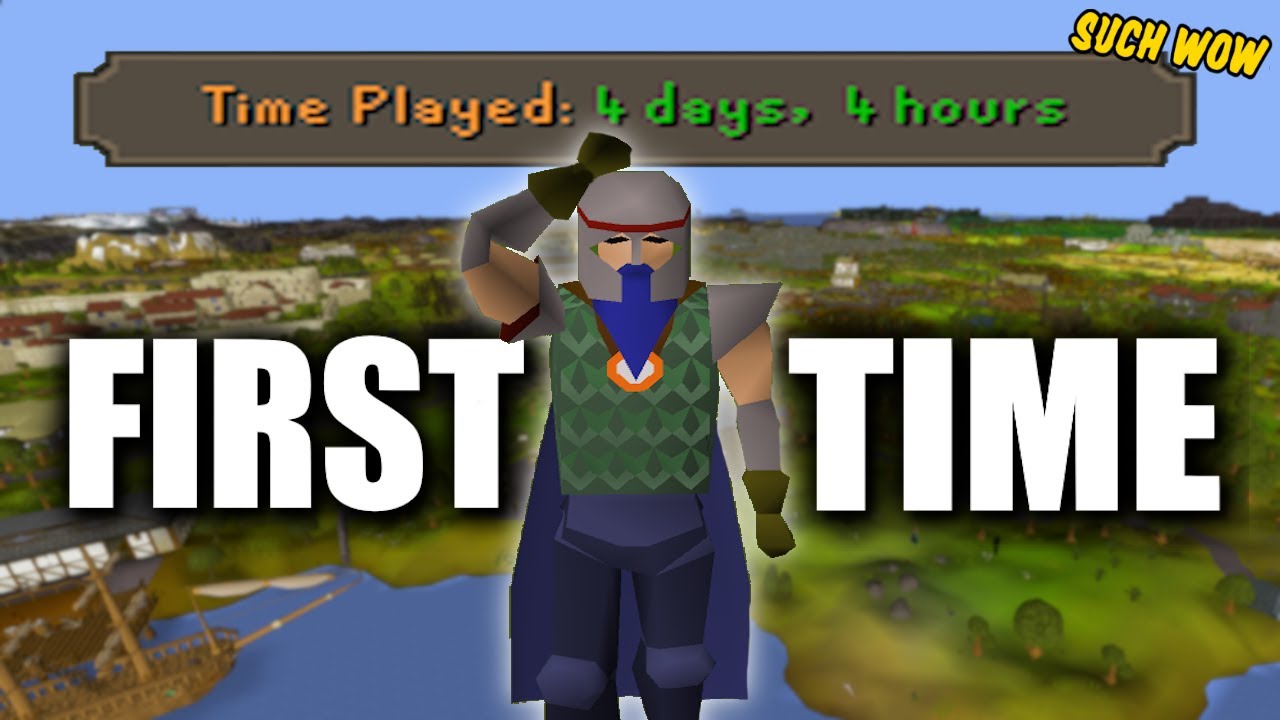
For newcomers to Old School RuneScape (OSRS), the first 100 hours are defined by the tension between the game's iconic, slow-paced progression and the modern player's desire for immediate gratification. Unlike many contemporary MMOs that hand-hold players through a linear power curve, OSRS drops you into a vast, open sandbox where your efficiency is entirely determined by your knowledge. The most effective strategy involves balancing high-intensity skill training with strategic questing to unlock essential travel methods and gear. By avoiding the trap of singular, repetitive grinds early on, players can maintain momentum while navigating the vast world of Gielinor without succumbing to early-game fatigue.
Why Quests Are the Foundation of Efficiency
In Old School RuneScape, quests are not merely narrative side-bars; they are the primary gatekeepers to high-level content, efficient travel, and essential experience rewards. Many new players make the mistake of focusing solely on leveling skills via manual labor—like chopping trees or mining rocks—while ignoring the Quest Log.
Why prioritizing quests is non-negotiable:
- Experience Rewards: Many early-game quests provide substantial experience in skills that are notoriously slow to train at low levels, such as Agility, Herblore, and Prayer.
- Transportation Unlocks: Quests like The Grand Tree or Tree Gnome Village unlock essential travel networks, including Spirit Trees and Gnome Gliders, which drastically reduce travel time.
- Gear and Access: Access to the best training spots, specialized equipment, and game-changing features like the Fairy Ring network is locked behind quest completion.
Aim to complete quests that offer "teleport" rewards or access to new resources early. This provides a compounding benefit that pays off for the remainder of your journey, ensuring you spend less time running across the map and more time engaging with high-value content.
Diversifying Activities to Prevent Burnout
The most significant hurdle in the first 100 hours of Old School RuneScape is the sheer volume of repetitive tasks required to level up. Experienced players know that focusing on a single skill for extended periods often leads to burnout. To maximize your 100-hour milestone, treat your gameplay session like a rotation.
When you feel yourself losing interest in a specific activity, change your objective immediately. The game’s design allows you to pivot between 24 unique skills at any time. By rotating between active tasks—such as combat or questing—and passive or semi-AFK (Away-From-Keyboard) tasks—like Woodcutting or Fishing—you can maintain your progress while giving your focus a break. This variety keeps the experience fresh and prevents the monotony of clicking the same node for hours on end.
Understanding the Reality of the Grind
Old School RuneScape is fundamentally a game about incremental progress, and the 100-hour mark often reveals how slow this can feel for modern gamers. You must adjust your expectations; the game does not offer instant gratification. Instead, it provides satisfaction through the achievement of long-term, hard-earned goals.
Do not be discouraged by the sheer number of players with high-level stats or expensive equipment. Your progression is personal. Focus on small, achievable micro-goals—such as equipping a new set of armor, reaching a level requirement for a specific quest, or completing a diary task—rather than comparing your total level to veteran players. By setting these manageable milestones, you turn the daunting task of "maxing" into a series of rewarding, bite-sized achievements that sustain your interest.
Leveraging Community and External Resources
The complexity of Old School RuneScape makes it difficult for new players to find the "optimal" path without outside assistance. The Old School RuneScape Wiki is an effectively mandatory tool for anyone looking to play efficiently. If you find yourself stuck on a quest puzzle, unsure of the best training method for a skill, or confused by market prices, check the Wiki.
Relying on these resources is a core part of the modern OSRS experience. It is not "cheating"—it is strategic intelligence. Using these tools allows you to plan your 100-hour progression effectively, ensuring you don't waste time on inefficient methods that could have been avoided with a quick search.
The Strategy of Active vs. AFK Play
A crucial realization during your first 100 hours is the distinction between "active" and "AFK" gameplay. Understanding which activities require your full attention and which can be managed during downtime is key to maximizing your efficiency.
- Active Training: This involves tasks that require constant input and high focus, such as bossing, complex skilling (e.g., tick-manipulation), or questing. Save your peak energy for these moments.
- AFK Training: This is ideal for multi-tasking, allowing you to build resources or experience during moments when you cannot focus fully on the screen. Skills like Woodcutting, Fishing, or Cooking often allow for longer intervals of inactivity.
By identifying which tasks are AFK-friendly, you can "double-dip" on your progress. Using your downtime for low-intensity tasks while saving your active, focused sessions for high-reward content will significantly improve your overall efficiency throughout your journey.
Essential Early-Game Decisions
As you approach the end of your first 100 hours, you should focus on these three pillars to solidify your account's future:
- Avoid the "Gold Trap": Don't spend all your wealth on expensive armor early. Focus on items that increase your experience rates or utility, such as improved weapons for faster combat leveling.
- Invest in Membership: If you are playing on a free-to-play (F2P) account, realize that the vast majority of OSRS content is locked behind a membership. The game opens up significantly with access to more skills, quests, and gear.
- Learn the Economy: The Grand Exchange is the heart of the game. Learn to track item trends and understand that your resources have value. Don't be afraid to sell materials you gather to fund the training of faster-leveling skills.
By following these strategies, you shift your mindset from "endless clicking" to "strategic progression." The first 100 hours in Old School RuneScape are the most defining period for a player; treat them as an investment in the knowledge and infrastructure required to eventually master the game's deepest content.
Free Old School RuneScape Codes
Current active codes and how to redeem them.

James Brown
James focuses on Android gaming on PC, emulator setup, controls, performance tuning, and practical troubleshooting for longer play sessions.
COMMUNITY
Player Comments
25 players commented on this guide.
I tried this today and it worked better than my old setup.
Nice guide. I am checking the other Old School RuneScape articles next.
Good guide for Old School RuneScape players. The strategy part was useful.
The explanation is clear, especially for beginners.