
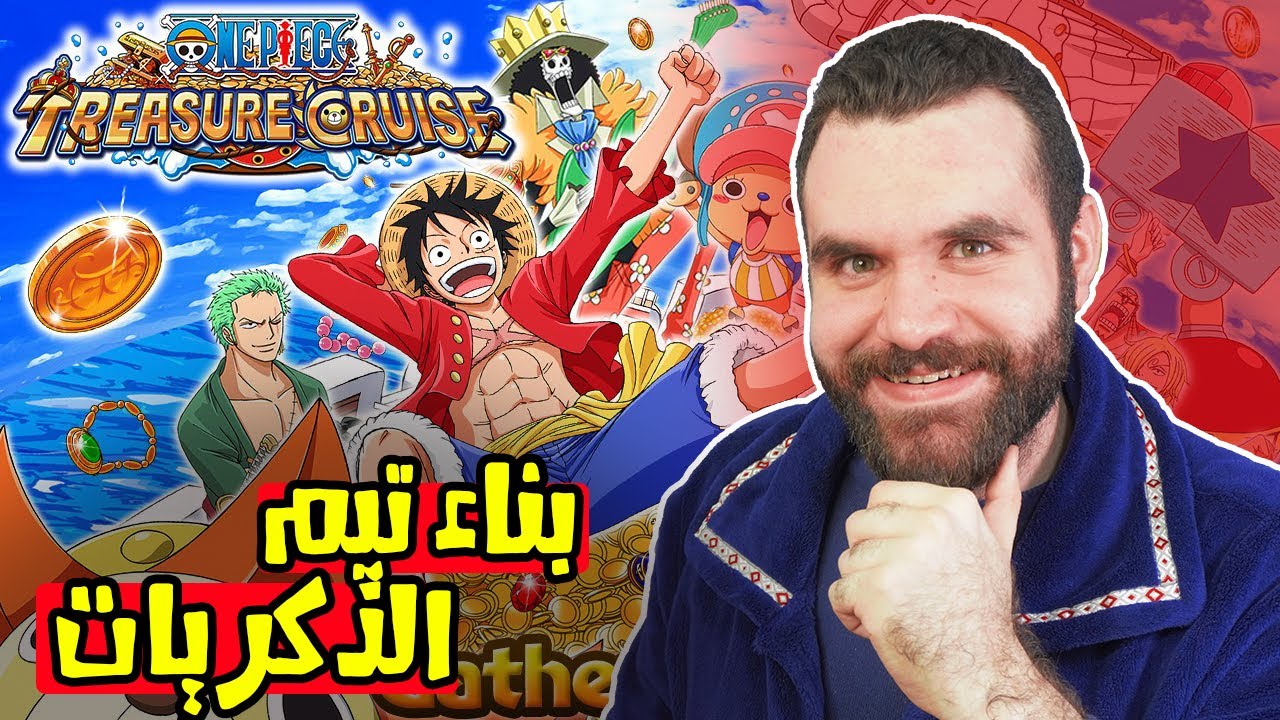
Success in ONE PIECE TREASURE CRUISE-RPG is rarely determined by a single overpowered unit; instead, it is defined by your ability to construct a cohesive crew where Captain Abilities, Special moves, and Support effects function as a singular, optimized engine. To conquer endgame content, you must move beyond simply slotting in your strongest characters and begin building teams designed to dismantle specific boss mechanics.
This guide provides the framework for building meta-viable crews, managing complex ability rotations, and making the strategic decisions necessary to dominate high-difficulty quests.
The Foundation: Selecting the Right Captain Ability
In ONE PIECE TREASURE CRUISE-RPG, your Captain Ability is the architect of your team's potential. It dictates your damage floor, orb availability, and defensive durability. When evaluating a potential captain, ignore raw attack numbers in isolation and focus on the "conditional multipliers."
- Type/Class Restrictions: Always verify that your desired crew members fall under the captain’s boost categories (e.g., Free Spirit, Cerebral, or Powerhouse). A unit that hits hard but falls outside these restrictions is effectively a wasted slot.
- Utility Integration: The current meta favors "Dual-Role" captains—units that provide high offensive multipliers while simultaneously offering utility, such as reducing Bind/Despair or bypassing defensive barriers.
- Orb Manipulation: A top-tier captain should either guarantee matching orbs or provide a way to treat certain orbs (like TND or RCV) as matching. This consistency is what allows you to burst down bosses in a single turn.
Mastering Special Ability Sequences
One of the most common pitfalls for intermediate players is the improper sequencing of Special abilities. In ONE PIECE TREASURE CRUISE-RPG, the order in which you activate your crew’s moves creates a multiplicative effect. If you trigger your buffs in the wrong order, you essentially leave millions of damage on the table.
To achieve maximum damage output, follow this industry-standard rotation:
- Debuff/Utility Removal: Start by clearing enemy defensive buffs (Damage Threshold, Percent Damage Reduction, or Barriers) and your own negative status effects (Bind, Despair, Special Bind).
- Orb Manipulation/Amplification: Change your orbs to matching and, if possible, apply an Orb Boost.
- Stat/Affinity Buffs: Apply your Attack Boost, followed by your Affinity (Type Effect) Boost.
- Conditional Boosts: Apply these last, as they typically multiply the total damage generated by your previous steps.
Pro-Tip: Always check if your units have "Interrupts." Some high-difficulty bosses will trigger a counter-attack if you use an Attack Boost special before removing their defensive shield.
Strategic Use of Support Units
Support units are the hidden engine of a successful pirate crew. Many players focus exclusively on their six main slots, but the right Support unit can turn a failing run into a clear.
- Passive Triggers: Support units activate based on specific criteria, such as "At the start of the final stage" or "When a specific crew member uses a Special."
- The Utility Gap: Use Supports to patch weaknesses in your team. If your primary team lacks a way to deal with Paralysis, equip a Support unit that removes Paralysis when the supported character uses their special. This saves you a main-team slot for another damage dealer or buffer.
- Stat Stat-Sticking: While utility is king, don't ignore the raw stat bonuses that high-level Support units provide to your main units. In content where every point of HP matters, these passive stat bumps can be the difference between surviving a preemptive strike and a Game Over.
Adapting to the Evolving Meta
The meta in ONE PIECE TREASURE CRUISE-RPG is fluid. Developers frequently release content designed to invalidate "one-size-fits-all" teams. To stay competitive, you must maintain a roster that prioritizes versatility over raw strength.
- The "Specialist" Approach: Keep a rotating roster of units that specialize in niche mechanics—such as removing Resilience, Poison, or Burn. While these units may not always have the highest attack stats, they are mandatory for specific monthly events.
- Value of Utility: Always prioritize pulling for units that provide utility (e.g., Chain Multiplier Lock, Defense Reduction) over units that simply provide a higher damage multiplier. Damage is easy to come by; utility is rare and essential.
- Resource Management: Do not invest all your upgrade materials into a single team. Spread your resources across multiple types and classes to ensure you have a "counter-team" ready for whenever the game's difficulty modifiers shift.
Balancing Offense and Survivability
A team that can deal 100 million damage is useless if it dies on turn two. Balancing your offensive output with defensive utility is the hallmark of an expert player.
Defensive Checklist:
- Damage Reduction: Do you have a special that mitigates incoming damage? If you cannot kill the boss in one turn, can you survive their follow-up attack?
- Healing: In longer boss fights, passive healing or high-Rcv units are necessary. Do not rely solely on "bursting" a boss if the boss has a revival mechanic or multiple health bars.
- The "Safety" Slot: If a stage has an unavoidable "Silence" or "Special Bind" mechanic, you must sacrifice an offensive slot to bring a unit that can counter that specific debuff. It is better to take three turns to win than to take zero turns by losing immediately to a mechanic you ignored.
Mistakes to Avoid
- Overlapping Buffs: Check your specials to ensure you aren't using two buffs that affect the same stat (e.g., two different Attack Boosts). They will not stack; the game will only use the strongest one, wasting the other special.
- Ignoring Ship Abilities: Your ship is a member of your crew. Ensure your ship’s special ability aligns with your team’s goal (e.g., a ship that provides damage reduction for Striker types when running a Striker team).
- Forgetting Potential Abilities: Maxing out your characters' Potential Abilities (like Critical Hit or Slot Bind Resistance) is just as important as leveling their Specials. These passive bonuses occur every single turn and can be the deciding factor in tight encounters.
By focusing on these pillars—captain synergy, proper special sequencing, strategic support placement, and defensive balance—you will build crews capable of clearing the most challenging content in ONE PIECE TREASURE CRUISE-RPG. Always analyze the boss’s patterns before jumping into battle, and adapt your crew accordingly.
Free ONE PIECE TREASURE CRUISE-RPG Codes
Current active codes and how to redeem them.

Sarah Williams
Sarah specializes in RPG and collection games, explaining team building, character growth, and beginner-friendly ways to avoid expensive early mistakes.
COMMUNITY
Player Comments
27 players commented on this guide.
I wish I had read this before upgrading the wrong thing.
Can you add more details about strategy in a future update?
This saved me time in the early game.
The explanation is clear, especially for beginners.