
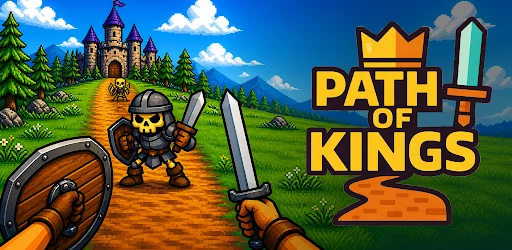
Mastering Path of Kings requires more than just lightning-fast reflexes during its intense first-person combat sequences. Because the game blends high-octane vertical mobile action with a dense, branching dark fantasy narrative, players who rush through the story often find themselves severely underpowered and locked out of crucial late-game equipment. To optimize your long-term progression, you must pace your narrative engagement, treating major campaign milestones as distinct chapters rather than a continuous, exhausting grind.
By structuring your gameplay sessions to balance the physical demands of fast-paced combat with the strategic weight of RPG decision-making, you can avoid burnout and maintain peak performance. This comprehensive guide covers how to manage narrative density, leverage story choices for better character builds, and establish a progression routine that ensures you dominate every haunted location Path of Kings has to offer.
Understanding Narrative Density and Progression Walls
In Path of Kings, the narrative is not merely flavor text designed to fill time between battles; it serves as a core mechanical foundation that dictates the weight of your decisions and the trajectory of your build. Much like navigating a sprawling, high-stakes fantasy epic, players often face "information overload" when moving between major map zones or encountering new character storylines within the game's haunted hubs.
When you encounter a high volume of lore or complex branching dialogue options, recognize that the game is intentionally slowing your pace. This deliberate tempo shift ensures you understand the gravity of your impending choices. The dark fantasy world reacts dynamically to your decisions, and skipping dialogue to rush to the next first-person combat encounter is a guaranteed way to hit a progression wall.
By taking the time to digest the lore provided in each "chapter" of your progress, you develop a better intuition for which character archetypes and faction alignments will yield the most beneficial long-term results. For example, understanding the tragic history of a haunted location through NPC dialogue might reveal the elemental weakness of the area's final boss, allowing you to customize your equipment optimally before the fight begins. Treating the narrative as a strategic map rather than an obstacle prevents the burnout that typically occurs when players mindlessly grind without context.
Managing Burnout Through Chapter-Based Milestones
To sustain your interest and mechanical sharpness in Path of Kings for the long haul, segment your vertical mobile gameplay into distinct, manageable sessions. Rather than attempting to clear multiple haunted zones in a single sitting—which leads to both physical fatigue and poor decision-making—treat each major boss encounter or narrative shift as a natural resting point.
The Milestone Strategy
Implementing a chapter-based approach to your progression involves breaking your daily play into specific phases:
- The Assault Phase: Engage in the fast-paced, vertical combat required to clear a new zone. Focus entirely on mechanics, dodging, and clearing out lower-level enemies.
- The Discovery Phase: Upon reaching a safe zone or narrative hub, stop fighting. Shift your focus to interacting with NPCs, collecting lore fragments, and reading environmental cues.
- The Processing Phase: Step away from the interface or close the app. Let the consequences of your previous choices and the newly acquired lore "sink in" before you commit to the next series of high-stakes interactions.
- The Customization Phase: Return to the game to adjust your character build, upgrade equipment, and reallocate skill points based on the narrative intelligence you gathered.
This structured approach prevents you from feeling overwhelmed by the sheer scale of the dark fantasy world. It allows you to approach the primary plot's definitive, game-altering choices with a clear head and a fully optimized loadout.
Balancing Combat Efficiency with Narrative Depth
Path of Kings masterfully balances moments of intense, rapid-fire action with periods of slow, contemplative storytelling. Players who fail to respect this rhythm often find themselves making suboptimal choices in dialogue because they are still locked into a "combat mindset." When the game transitions from a first-person battle to a narrative segment, you must intentionally lower your tempo.
The Danger of the "Combat Mindset"
During combat, your brain is wired for immediate reaction—swiping, tapping, and managing cooldowns in a vertical space. If you carry this rapid-fire energy into a dialogue sequence, you are highly likely to select the first available response just to get back to the action. This impatience can accidentally align you with a hostile faction, forfeit unique legendary equipment, or trigger an unfavorable moral outcome that haunts your playthrough.
Maximizing Downtime
Use narrative interludes to check your inventory, re-evaluate hero synergies, and adjust your build based on the new information revealed during the story. This cyclical approach—combat for character growth, narrative for strategic direction—is the hallmark of an efficient Path of Kings player. By alternating between these modes, you ensure that your tactical decisions are always informed by the most recent lore. While taking your time sacrifices immediate speed, the accuracy of your narrative choices results in superior faction standing and unique character rewards that speedrunners completely miss.
How Story Choices Impact Factions and Builds
In many mobile ARPGs, the story is entirely divorced from the combat mechanics. Path of Kings subverts this by directly tying your narrative decisions to your equipment customization and build viability. The factions you align with and the moral dilemmas you resolve dictate the type of gear you can access in the mid-to-late game.
- The Wraithguard Faction: Aligning with this faction through empathetic dialogue choices typically rewards players with high-mobility gear, enhancing your vertical combat capabilities and dodge frames.
- The Blood-Bound Order: Choosing ruthless, pragmatic narrative options aligns you with this order, granting access to heavy, lifesteal-based weaponry that allows for a more aggressive, tank-oriented first-person playstyle.
- Neutral/Mercenary Paths: Balancing your choices keeps you neutral, offering versatile but less specialized equipment customization. This is safer for beginners but lacks the extreme power spikes of dedicated faction alignment.
Understanding these synergies means that reading the lore is effectively part of your build-crafting process. You aren't just choosing what sounds cool; you are curating your future arsenal.
Tackling Secondary Arcs to Test Synergies
If you find yourself feeling overwhelmed by the primary campaign's difficulty or the heavy consequences of the main narrative, shift your focus to smaller, secondary character arcs. These side-narratives, often found in previously cleared haunted locations, offer lower-stakes environments perfect for experimentation.
Secondary quests provide a vital testing ground for new equipment customization and combat strategies. Because the narrative consequences here do not directly threaten your primary kingdom’s stability, you can practice your decision-making skills and test out unfamiliar weapon types without risking your main progression. Mastering these smaller stories provides the necessary combat context and mechanical muscle memory to navigate the main questline with greater confidence.
Furthermore, side quests frequently reward specific upgrade materials required to max out your gear. Treating these arcs as essential "training chapters" ensures you never enter a major narrative milestone under-leveled or under-prepared.
Common Progression Mistakes to Avoid
Even veteran ARPG players can stumble in Path of Kings if they approach the campaign with the wrong mindset. Avoid these common pitfalls to ensure a smooth journey through the dark fantasy world:
- Blindly Clicking Through Text: The most fatal error. Skipping dialogue means missing crucial hints about boss mechanics, faction preferences, and hidden loot caches within haunted locations.
- Ignoring Equipment Synergy: Equipping the highest-level gear without considering how it synergizes with your current narrative faction standing will leave you mathematically weaker than a properly synergized, lower-level build.
- Marathon Play Sessions: Playing for too long leads to high APM (actions per minute) fatigue. As your reflexes dull, your combat performance drops, leading to frustration and hasty, poor narrative choices.
- Hoarding Upgrade Materials: Waiting for the "perfect" weapon before engaging in equipment customization will cause you to fall behind the game's difficulty curve. Invest in mid-game gear to survive the narrative difficulty spikes.
Establishing a Sustainable Play Routine
Long-term success in Path of Kings relies on consistency, not speed. If you treat your progress like a marathon rather than a sprint, you will find it easier to overcome the complex puzzles, fast-paced vertical combat, and moral dilemmas that define the late game.
Establish a concrete "session goal" every time you log in. This could be finishing one specific character quest, clearing a single floor of a haunted location, or reaching a regional milestone. Once that objective is complete, stop playing. This deliberate pacing prevents the mental fatigue that leads to accidental "bad" endings or poor resource management.
When you treat the game as a living, breathing story rather than a series of repetitive screen taps, you become more attuned to the subtle cues provided by NPCs and the environment. This sensitivity to narrative flow is a significant gameplay advantage, allowing you to predict how your environment will react to your presence and giving you the upper hand in every first-person encounter. By mastering the balance between narrative pacing and combat execution, you will forge a path worthy of a true king.

Free Path of Kings Codes
Current active codes and how to redeem them.

Sarah Williams
Sarah specializes in RPG and collection games, explaining team building, character growth, and beginner-friendly ways to avoid expensive early mistakes.
COMMUNITY
Player Comments
141 players commented on this guide.
Can you add more details about strategy in a future update?
Nice guide. I am checking the other Path of Kings articles next.
This guide answered the exact question I had.
The tips are practical and easy to follow.