

In Path of Titans, the strongest playable dinosaurs are versatile mid-tiers and mobile skirmishers rather than slow apexes. Choosing a dinosaur with high stamina efficiency, solid combat weight, and the ability to disengage will keep you alive far longer than relying purely on maximum bite damage.
To succeed in open-world survival, prioritize dinosaurs that dictate fight pacing through speed, status effects like bleed or bone break, and escape capability.
S-Tier: Best Overall Playables
S-tier dinosaurs have few hard counters, adapt to multiple biomes, and control engagements in both solo and group play.
- Suchomimus: A premier semi-aquatic carnivore. It pairs near-apex combat weight with steady bleed damage from claw attacks. When pressured by land packs, it can retreat safely into deep water, and it carries enough stamina to outrun true apex predators on land.
- Pycnonemosaurus: The top hit-and-run carnivore. It features high sprint speed, rapid trot stamina recovery, and a heavy charge attack that knocks targets off balance. While its turn radius is wide, its ability to break away prevents opponents from pinning it down.
- Ceratosaurus: A compact, aggressive mid-tier brawler. It excels in close-quarters skirmishing with heavy bites, thrash or bone-break utility, and strong passive defense. Its tight turn circle lets it exploit the blind spots of larger carnivores.
- Barsboldia: The most resilient defensive herbivore. Massive bulk and wide tail cleaves allow it to fend off carnivore packs. Backing against a cliff or rock face eliminates flank angles, making rear attacks fatal for pursuers.
A-Tier: High-Impact Apexes and Specialists
A-tier dinosaurs deal immense damage or provide key squad utilities, but specific mobility and stamina limitations keep them out of top tier.
- Tyrannosaurus Rex: Delivers bone break and unmatched raw bite damage against mid-tier dinosaurs. However, low sprint stamina leaves it vulnerable to kiting, bleed stacking, and coordinated pack harassment.
- Eotriceratops: Punishes frontal charges with massive headbutt burst damage. Its primary vulnerabilities are steep stamina drain and poor turning speed, leaving it exposed if surrounded in open fields.
- Hatzegopteryx: Dominates aerial combat with burst peck damage and a clamp mechanic to pick off small targets. Fragile ground defenses prevent it from brawling against grounded mid-tiers.
- Achillobator: A specialized pack hunter that uses pounce burst damage. It relies heavily on managing stamina during target bucking cycles; miscalculating stamina will leave it defenseless upon detachment.
- Lambeosaurus: The leading support herbivore. It supports groups with active health regeneration calls while defending itself with dependable tail attacks.
B-Tier: Balanced All-Rounders
B-tier picks have functional combat kits but struggle against top-tier brawlers due to wind-up animations, average utility, or fragile health pools.
- Allosaurus: Possesses solid base health, balanced running speed, and reliable claw attacks, but lacks a burst mechanic or debilitating status effect to beat heavier bruisers.
- Daspletosaurus: Features heavy bone-breaking and armor-piercing bites. Long attack wind-ups and limited stamina require precise positioning, as a missed heavy strike leaves an open window for counterattacks.
- Kentrosaurus: Features rapid sprint stamina and inflicts severe bleed via tail swipes. However, low combat weight makes it susceptible to fatal knockdowns or bone breaks.
- Stegosaurus: Trades movement speed for heavy tail swipe damage. Its wide turning radius allows agile skirmishers to bait attacks from outside its swing arc.
- Iguanodon: Serves as a sturdy, balanced herbivore with reasonable defense, though it lacks the specialized burst or support utility needed to outperform top-tier alternatives.
C and D-Tier: Low Combat Viability and Niche Picks
These dinosaurs suffer from low combat weight, slow movement speed, or narrow habitat requirements. If you select them, adjust your playstyle to avoid head-on fights.
| Dinosaur | Tier | Primary Weakness | Recommended Playstyle Adjustment |
|---|---|---|---|
| Amargasaurus | C-Tier | Low sprint speed, exposed neck hitbox | Stay close to cliff edges and travel in defensive herds. |
| Spinosaurus | C-Tier | Sluggish terrestrial speed, high food drain | Remain near deep river systems; do not fight inland. |
| Camptosaurus | D-Tier | Low health pool, negligible damage | Play as an evasive scout; disengage at first contact. |
| Struthiomimus | D-Tier | Insufficient combat damage output | Use top sprint speed to scout targets for packmates. |
| Thalassodromeus | D-Tier | Fragile health, outmatched by Hatzegopteryx | Focus on fishing and scavenging instead of combat. |
How to Choose Your Playable
Your selection should align with whether you play solo or in an organized pack:
- Solo Survival: Pick an S-tier dinosaur with high disengage potential, such as Suchomimus or Pycnonemosaurus. Avoiding fights you cannot win is the primary factor in surviving to adult stage.
- Pack Composition: Pair an anchor with skirmishers. Combine a defensive bulwark like Barsboldia or a high-damage brawler like Tyrannosaurus Rex with agile debuffers like Ceratosaurus to pin targets down and control the engagement.
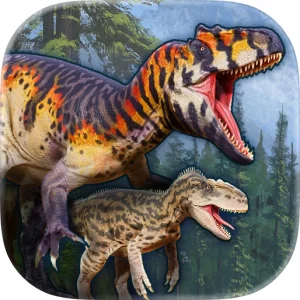
Free Path of Titans Codes
Current active codes and how to redeem them.

Emily Johnson
Emily writes practical mobile strategy guides with a focus on resource planning, base progression, and the early decisions that shape a long-term account.
COMMUNITY
Player Comments
112 players commented on this guide.
Nice guide. I am checking the other Path of Titans articles next.
This guide answered the exact question I had.
The tips are practical and easy to follow.
Good guide for Path of Titans players. The strategy part was useful.