
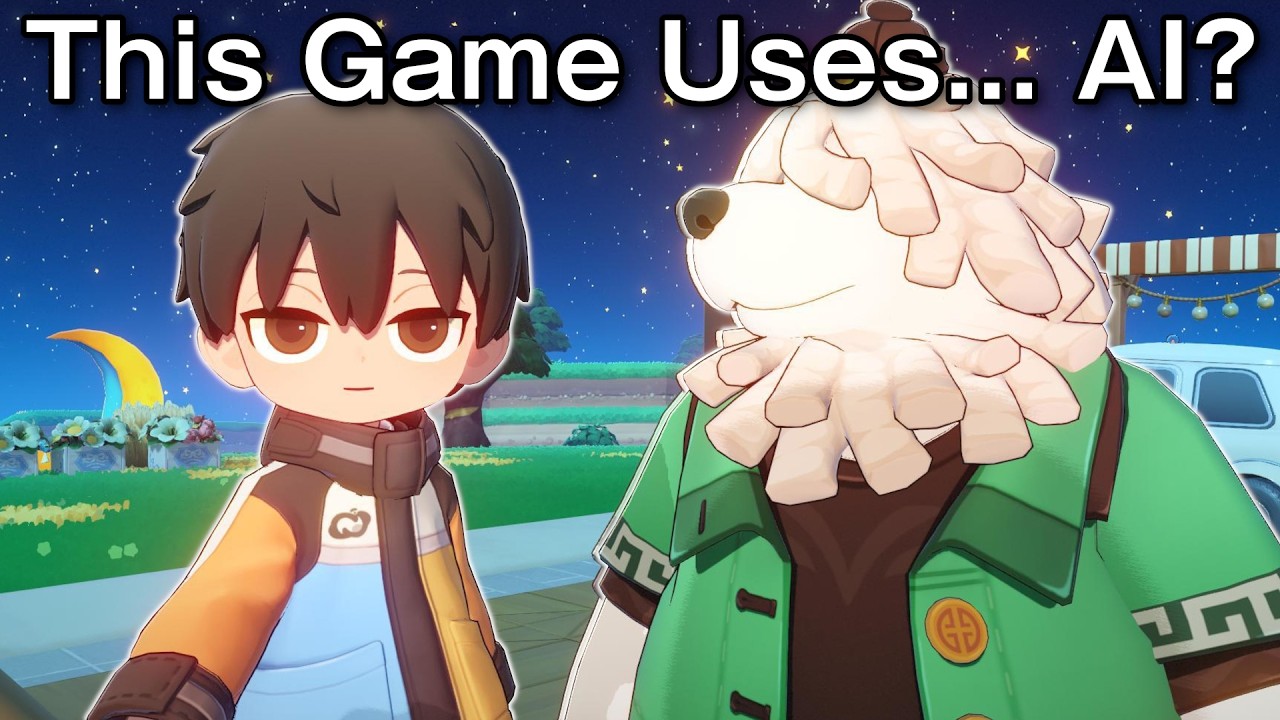
Petit Planet is a title that intentionally defies standard game design conventions. For many players, the initial experience is defined by confusion, as the game eschews traditional tutorials, quest logs, and explicit progression markers. This lack of guidance is not a defect—it is a core pillar of the experience that forces players to engage with the game world as a puzzle to be solved.
To thrive in Petit Planet, you must shift your mindset from a passive consumer of content to an active investigator of game systems. By treating the interface, character growth, and resource management as interconnected mysteries, you can bypass the early-game stagnation that traps most newcomers.
Mastering the Non-Traditional UI of Petit Planet
The most immediate barrier to entry in Petit Planet is its "hidden" user interface. Unlike contemporary titles that use high-contrast overlays to highlight interactable objects, Petit Planet blends its functional menus into the background art.
Identifying Functional Elements
If you feel stuck, you are likely missing a sub-menu buried in plain sight. Here is how to navigate the interface effectively:
- The "Click-Everything" Protocol: In every new screen, move your cursor across every edge, decorative asset, and corner. If an object changes the cursor icon—even slightly—it is a functional menu.
- Layered Menus: Many critical upgrades are nested behind secondary clicks. Once you find a hidden icon, click it; if a screen opens, check for secondary tabs or icons within that window.
- Visual Cues over Text: Because the game avoids text-heavy tutorials, look for subtle animations. A flickering light, a pulsating icon, or a slightly different texture on a wall often indicates an interactive trigger that unlocks character progression or world-state changes.
Deciphering Character Progression Requirements
Progression in Petit Planet is rarely tied to a linear experience bar. Instead, it is gated by "Awakening" requirements—specific, unstated objectives unique to each character. To level up or evolve your team, you must move beyond generic combat and focus on environmental interaction.
The Observation Loop
Instead of looking for a "Level Up" button, follow this process:
- Stat Analysis: Open the character-specific interaction panel. While the game provides vague descriptions, these hints usually point to a specific type of environment (e.g., "The character feels stagnant in the shade").
- Environmental Triggering: Move the character to different map zones or interact with specific items while they are selected. Observe the character’s reaction—even minor changes in their idle animation can signal that you are heading in the right direction.
- Log Your Findings: Since the game does not track your progress, keep a physical or digital notepad. Document which items or locations trigger stat shifts for each character. This is the only way to build a reliable "path to power" in a game that purposefully hides its growth mechanics.
Strategic Resource Management: Avoiding the "Early-Game Trap"
New players often lose progress in Petit Planet by spending resources on aesthetic items or low-tier consumables that have no long-term value. Because the game provides no way to "sell back" or "undo" an investment, poor choices can lead to a soft-lock where you are unable to afford the items required for critical story progression.
The Hierarchy of Utility
To ensure you never run dry, prioritize your spending in this order:
- Priority 1: Permanent Utility Items. These are items that unlock new map areas or permanent UI upgrades. If an item claims to expand your "scope" or "vision," buy it immediately.
- Priority 2: Stat-Boosting Consumables. Only invest in these once you have identified a character’s "Awakening" requirement. Using them randomly is a waste of a finite resource.
- Priority 3: Aesthetic/Cosmetic Upgrades. These should only be purchased once you have a surplus of resources. Never spend your initial hoard on these, as they offer zero return on investment for your progression.
Adapting to the Game’s Lack of Feedback
Perhaps the most difficult adjustment for players is the "Silent Failure" state. If a strategy in Petit Planet is incorrect, the game does not show a "Try Again" prompt or an error message. It simply remains static.
This silence is intended to force you to re-evaluate your tactical approach. When you reach a wall, do not assume the game is broken. Instead, ask yourself these three questions:
- Have I changed the variable? If you tried to interact with an object using the wrong character, try again with a different member of your party.
- Is it a matter of time? Some triggers in Petit Planet are time-gated, meaning the environment or the character's status only changes after a certain amount of real-world time or activity.
- Are there hidden dependencies? Often, you cannot trigger an interaction until you have unlocked a separate menu or found a specific item in an entirely different part of the map.
Strategic Patience and Session Planning
Because Petit Planet does not hand-hold, attempting to rush through the game will only lead to frustration. The game is designed to be absorbed slowly.
Structuring Your Play Sessions
- The "One Discovery" Rule: Enter each session with the goal of solving one mystery. Whether it is finding a hidden menu or identifying the requirement for a single character's upgrade, focus your energy there.
- Map the World: As you explore, draw a simple map or take screenshots of screens you have already fully investigated. This prevents you from wasting time re-checking areas that have already yielded their secrets.
- Embrace the "Research" Mindset: View the game as an archaeological dig. You are uncovering the rules of this planet through trial and error. When you fail, you aren't "losing"—you are eliminating an incorrect hypothesis.
Conclusion: Why the Confusion is Worth It
The obscurity of Petit Planet is its greatest strength. By refusing to provide a roadmap, the game ensures that every breakthrough feels earned. Once you stop fighting the game’s design and start working with its logic—prioritizing hidden UI elements, character-specific triggers, and deliberate resource management—the experience transforms from a confusing chore into a deeply rewarding strategic exploration. Keep your notes organized, stay observant, and you will find that Petit Planet is not just a game, but a challenging, masterfully crafted puzzle that respects your ability to learn and adapt.

Free Petit Planet Codes
Current active codes and how to redeem them.

James Brown
James focuses on Android gaming on PC, emulator setup, controls, performance tuning, and practical troubleshooting for longer play sessions.
COMMUNITY
Player Comments
143 players commented on this guide.
Can you add more details about resources in a future update?
Nice guide. I am checking the other Petit Planet articles next.
Good guide for Petit Planet players. The resources part was useful.
I wish I had read this before upgrading the wrong thing.