
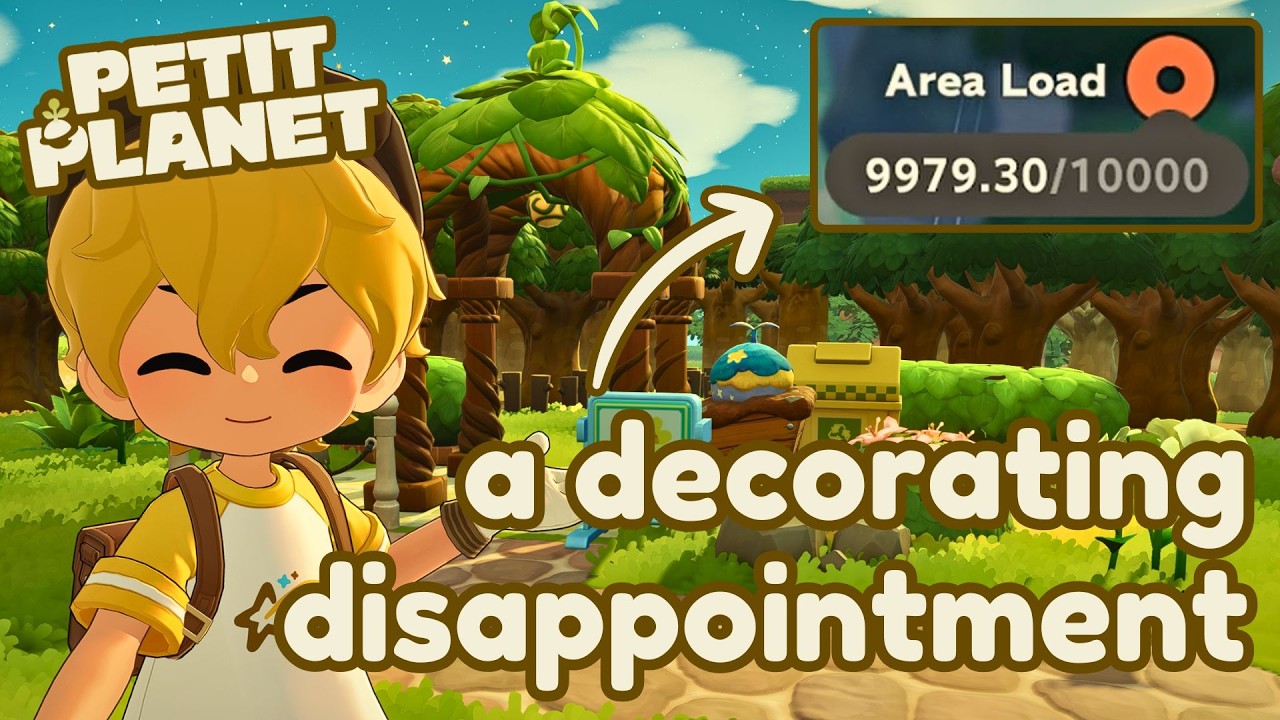
In Petit Planet, decoration placement is controlled by a planet-wide load budget. If your layout reaches this capacity limit, the game disables the placement tool and prevents you from adding new items until you delete existing objects to free up space.
How the Decorating Load System Works
During beta testing, Petit Planet tracks layout complexity using a load meter. Every object placed on your planet—including furniture, decorative items, and functional props—consumes a portion of this total budget.
Once the load meter reaches maximum capacity, the game displays an object limit error and locks placement for any additional items. Because both interactable objects and purely visual decor share the same overall capacity, placing numerous small decorations across your planet will consume your load budget just as quickly as larger structures.
Strategies for Managing Decorating Capacity
If you prefer a detailed or maximalist design, working within the engine's limits requires careful load management:
- Decorate in Focused Zones: Concentrate heavy item placement in key focal points, such as central entrances or seating areas, while leaving surrounding terrain open to conserve your global budget.
- Audit Small Fillers: Multiple small, scattered items rapidly fill the load meter. Remove low-impact clutter to preserve capacity for major centerpiece furniture.
- Build in Incremental Stages: Monitor the load bar frequently as you add layers of decor rather than placing entire layouts at once, allowing you to catch capacity bottlenecks early.
- Rotate Furniture Sets: Delete older or off-season decor when introducing new item sets to keep your planet under the system ceiling.
If your placement tool is locked due to maximum load, your only immediate option is to clear out existing items on your planet to restore available capacity.

Free Petit Planet Codes
Current active codes and how to redeem them.

Emily Johnson
Emily writes practical mobile strategy guides with a focus on resource planning, base progression, and the early decisions that shape a long-term account.
COMMUNITY
Player Comments
129 players commented on this guide.
This guide answered the exact question I had.
Nice guide. I am checking the other Petit Planet articles next.
The explanation is clear, especially for beginners.
Good guide for Petit Planet players. The strategy part was useful.