
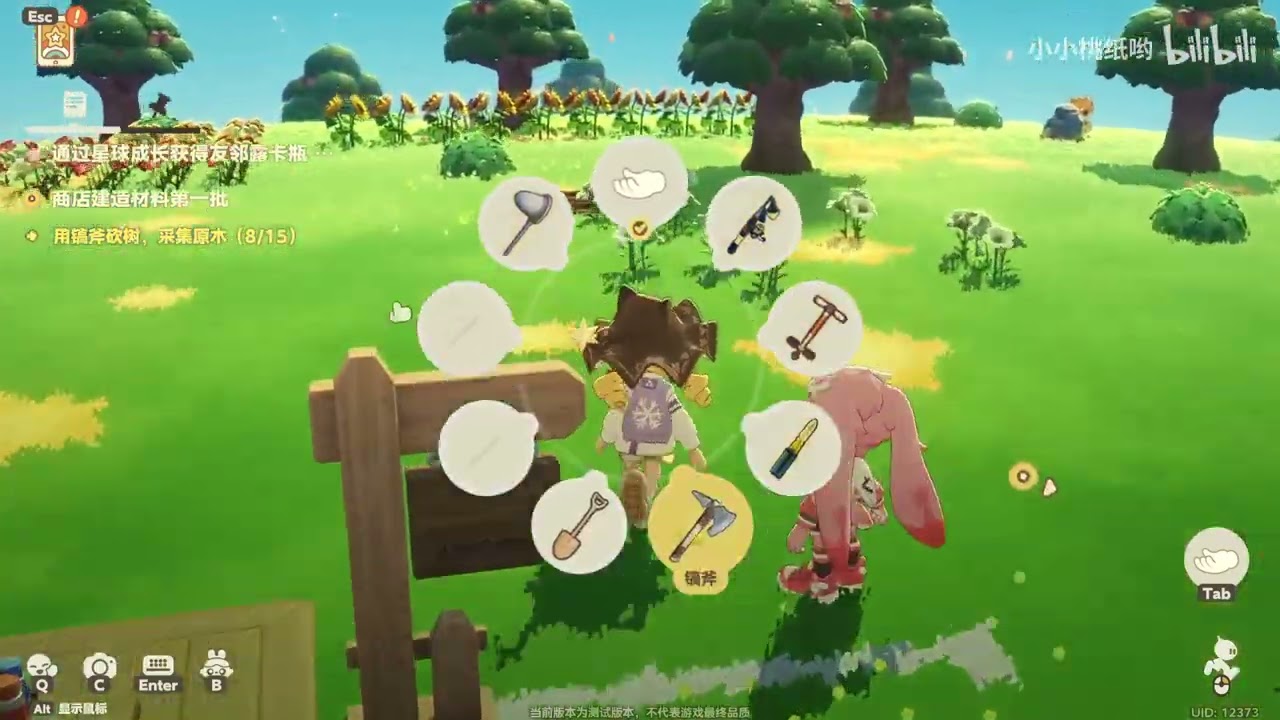
To succeed in Petit Planet, you must transition from aimless exploration to a structured daily routine that balances quest completion with resource accumulation. The most efficient way to progress is to treat the game as a series of interconnected loops: gathering, processing, and environmental expansion. By focusing on intentional interaction with the terrain and managing your time-sensitive objectives, you can avoid the common "early-game stall" and build a sustainable, flourishing planet.
Establishing an Efficient Daily Routine
Structure is the primary driver of progression in Petit Planet. Players who log in with a plan consistently outperform those who wander without a clear goal. Upon starting your session, prioritize your active quests and daily memos. These serve as your roadmap, preventing the cognitive overload that often arises from the game’s open-ended nature.
Recommended Daily Workflow:
- Check the Quest Log: Identify "Time-Sensitive" tasks first. These often provide the highest yield of rare materials or currency.
- NPC Sync: Visit your primary NPCs to collect rewards and hand in completed objectives before starting new projects.
- Resource Sweep: Harvest passive resource nodes. If you ignore these, you create a bottleneck for later construction.
- Main Objective: Dedicate the bulk of your playtime to your primary progression goal (e.g., unlocking a new zone or upgrading a base structure).
By clearing manageable objectives first, you build the psychological and material momentum needed to tackle more complex world-building tasks later in your session.
Navigating Environmental and Object Physics
The physics-based interaction system in Petit Planet requires a deliberate approach to movement. Many players struggle because they treat the world as a static grid, ignoring the game's dynamic terrain mechanics. To master traversal, you must understand how your character interacts with slopes, heights, and spatial constraints.
- Slope Management: When navigating hilly terrain, avoid jumping repeatedly, as this drains stamina and can lead to glitchy movement. Instead, look for natural "ledges" or paths. If you must go up, utilize item placement to create temporary steps.
- Precision Placement: When placing structures, observe the "ghost" indicator carefully. If an object turns red or feels jittery, you are likely fighting a collision box. Adjust your camera angle to a top-down perspective to ensure the object aligns with the terrain’s true topography.
- Dynamic Interaction: Some objects have weight and can be pushed or pulled. Use these to your advantage to clear paths or create makeshift bridges across gaps in the terrain.
Balancing Creative Freedom and Resource Management
While Petit Planet encourages immense creative expression, effective players know when to limit their scope to preserve resources. It is easy to get caught up in elaborate decoration projects, but doing so before establishing a stable economy will leave you lacking the basic materials needed for core progression.
The "Utility-First" Strategy:
- Phase 1 (Foundation): Focus exclusively on functional items—storage, crafting stations, and utility tools. Do not spend rare resources on purely cosmetic items until you have at least three days' worth of "buffer" materials.
- Phase 2 (Optimization): Once your resource loops are automated or reliable, begin your aesthetic projects.
- Phase 3 (Expansion): Use excess resources to trade or unlock high-tier map zones.
By building a foundation of utility-focused structures first, you ensure that your later, more creative projects have a solid backbone, allowing you to iterate on your planet's design without needing to constantly pause to gather raw materials.
Avoiding Progression Fatigue in Open-Ended Worlds
The sheer scale of Petit Planet can lead to burnout if you try to accomplish everything at once. To mitigate this, set "micro-goals" for each play session. Instead of saying "I will build a city today," say "I will finish the storage area and complete two NPC trades."
If you find yourself feeling stagnant:
- Switch Activities: If you are tired of gathering, pivot to exploration. If you are tired of building, pivot to NPC interactions.
- The 30-Minute Rule: If a specific project has taken more than 30 minutes and you have made no progress, stop. You are likely missing a required tool or resource; move on to a different task and come back later.
- Refinement: Sometimes, the most rewarding sessions are spent simply cleaning up your base and organizing your inventory. This "maintenance" time is vital for long-term clarity.
Strategic Use of NPC Interactions
NPCs in Petit Planet are your primary source of progression guidance. Treat your interactions with them as a strategic dialogue rather than a simple quest-turn-in mechanic.
- Prioritize High-Utility NPCs: Early in the game, prioritize characters who reward you with inventory space expansions or movement-related tools.
- Selective Trading: Not every request from an NPC is worth fulfilling. If an NPC asks for a rare resource that you need for a critical upgrade, it is perfectly acceptable to ignore that quest until your production loops are more robust.
- Tracking Needs: Keep a mental or digital notepad of what each NPC consistently asks for. If you know that "Farmer Joe" always needs berries, you can keep a dedicated stockpile, making those quests "instant wins" when they pop up.
Expert Tips for Sustained Success
To truly master Petit Planet, you must look beyond the immediate UI and understand the underlying logic of the game’s world.
- Understand Spawn Cycles: Resource nodes in the world follow specific, often hidden, respawn timers. Learn these cycles to optimize your gathering path.
- Verticality is Key: Do not settle for flat terrain. The most efficient players in Petit Planet utilize vertical space for storage and production, leaving the ground level free for movement and exploration.
- Cross-Reference Requirements: Always check the "ingredients" for a building project before you start. If you don't have the materials for the final step, do not start the foundation.
By applying these strategies, you move from merely playing the game to actively mastering its systems. Remember that Petit Planet is a marathon, not a sprint; consistent, intentional actions will always yield better results than frantic, disorganized play. Maintain your daily routines, respect the game's physics, and prioritize functionality, and you will find your planet developing far faster than you expected.

Free Petit Planet Codes
Current active codes and how to redeem them.

James Brown
James focuses on Android gaming on PC, emulator setup, controls, performance tuning, and practical troubleshooting for longer play sessions.
COMMUNITY
Player Comments
133 players commented on this guide.
The tips are practical and easy to follow.
I wish I had read this before upgrading the wrong thing.
This saved me time in the early game.
Can you add more details about resources in a future update?