
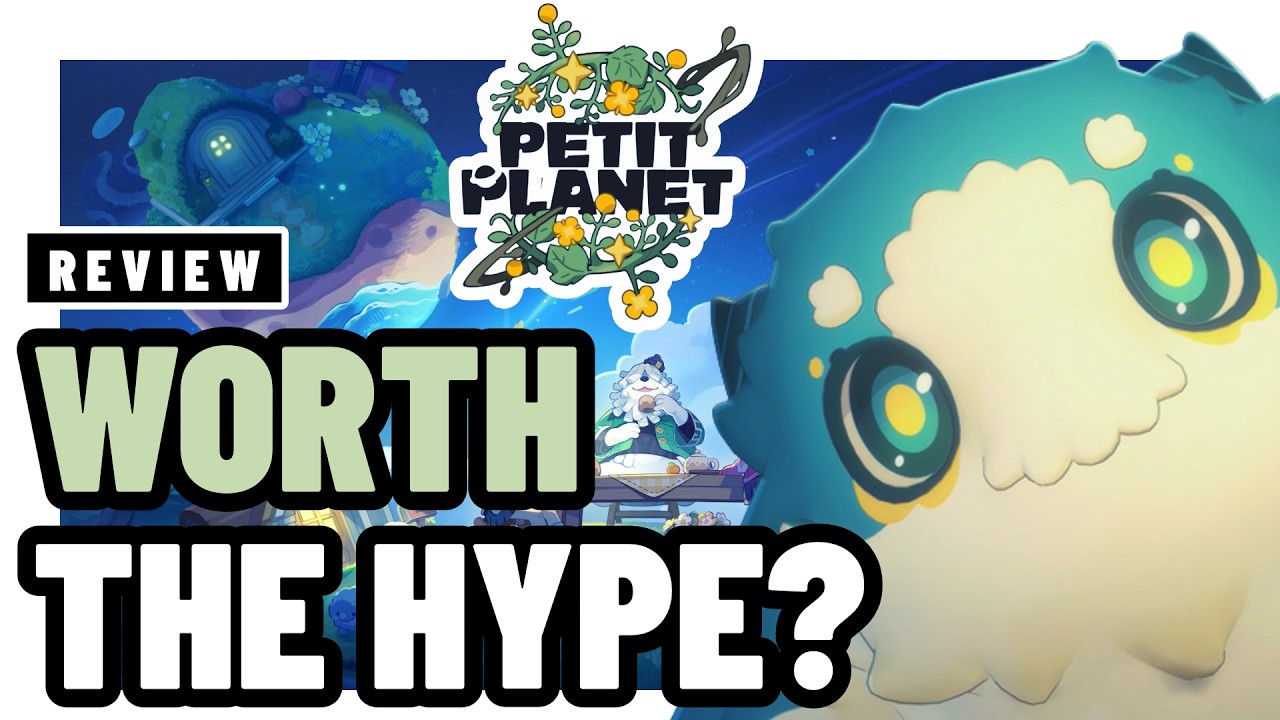
Petit Planet is designed to be a departure from the high-octane, grind-heavy experiences common in modern gaming. To truly master this title, you must prioritize a relaxed approach that aligns with the developer's "coziness" philosophy. By focusing on environmental traversal, patient progression cycles, and intentional social interactions, you can navigate the game’s unique systems with ease. This guide serves as your roadmap for balancing the demands of a life-sim with the intentional, slow-paced design that makes Petit Planet a standout experience.
Understanding the Petit Planet Design Philosophy
The primary hurdle for many players in Petit Planet is the transition from "goal-oriented" gaming to "experience-oriented" gaming. The game is built on a foundation of atmospheric immersion, where the quality of your interactions takes precedence over the speed of your progression.
Why "Slow-Living" is the Optimized Strategy
In most games, efficiency is measured by how quickly you can reach the end-game. In Petit Planet, efficiency is measured by the harmony of your environment. When you rush through tasks, you miss the nuanced audio-visual cues and environmental feedback loops designed into the game’s core. Adopting a "slow-living" mindset allows you to:
- Identify Hidden Mechanics: Slow movement reveals unique terrain interactions that are often missed when sprinting.
- Maximize Resource Management: Taking the time to observe the ecosystem helps you gather materials more effectively without depleting your character's energy reserves prematurely.
- Reduce Burnout: By treating the game as a digital getaway rather than a checklist, you maintain interest over longer play sessions.
Mastering Environmental Traversal and Terrain
Navigation in Petit Planet is more than just getting from point A to point B; it is a mechanical puzzle that requires an understanding of the game's physics and terrain system.
Navigating Complex Terrain
The world of Petit Planet is intentionally layered. To navigate it effectively, observe the following:
- Terrain Anchors: Look for visual indicators—such as specific flora or color shifts—that suggest stable ground. These areas are optimized for movement and offer the most efficient paths.
- Momentum Management: The character’s movement feels weightier than standard platformers. Use this weight to your advantage by planning your jumps and turns in advance, rather than making erratic, last-second corrections.
- Verticality Considerations: When climbing or traversing height differentials, always scout the path of least resistance. The game rewards pathfinding over brute-forcing steep inclines.
The Life-Sim Loop: Iterative Progression
The core loop of Petit Planet centers on iterative improvement. You are not meant to finish the game in a week; you are meant to cultivate your space over time.
Structuring Your Daily Routine
To avoid feeling overwhelmed, organize your gameplay into three distinct phases:
- Maintenance Phase: Spend the first part of your session tending to your immediate surroundings. This keeps your base functional and provides a sense of accomplishment before tackling more complex tasks.
- Exploration Phase: Use the middle portion of your session to push into new areas. This is when you should interact with NPCs and gather the resources needed for your next upgrade.
- Refinement Phase: Conclude your session by placing new items or adjusting your layout. By doing this last, you end your session on a creative high note, reinforcing the "cozy" feeling of the game.
Building Meaningful Social Connections
NPC interactions in Petit Planet are designed to be long-term investments. Unlike games where NPCs serve only as quest givers, the characters in Petit Planet offer narrative depth that evolves based on your consistency.
Strategic Socialization
- Consistency over Intensity: You do not need to speak to every NPC every day. Instead, focus on building rapport with a core group. This makes the world feel more populated and less like a collection of static interactables.
- Observing NPC Patterns: Spend time observing how NPCs interact with the environment. Often, they will reveal shortcuts or "cozy" spots that you wouldn't find on your own.
- Dialogue Choices: Treat interactions as roleplay. While there may not always be a "correct" answer, your choices help define your character's place in the community, which can unlock unique decorative items or environmental lore.
Managing Expectations in Early Builds
Because Petit Planet is currently in a testing phase, players should approach the game with the mindset of a "participant-observer."
Working Within Current Constraints
- Embrace Technical Limitations: You may find the inventory or building systems restrictive. View these not as flaws, but as intentional design choices meant to prevent clutter and encourage thoughtful placement.
- Providing Feedback: The most valuable thing you can do as a player is engage with the systems the developers have highlighted for the "Coziness Test." If a mechanic feels sluggish, document exactly what you were doing when you noticed it.
- Focus on Core Systems: Don't worry about "missing" content. The current build is designed to test the feel of the movement and the responsiveness of the environment. If these core systems feel good to you, you are engaging with the game exactly as intended.
Common Mistakes to Avoid
Even in a cozy game, there are traps that can ruin your experience:
- The "To-Do List" Mentality: Forcing yourself to finish every task every day will lead to burnout. It is perfectly acceptable to leave a task unfinished.
- Cluttering Your Space: The game’s aesthetic relies on negative space. Don't feel pressured to fill every inch of your map with items. A few well-placed, meaningful objects are always better than a crowded landscape.
- Ignoring Audio Cues: Petit Planet uses sound to indicate successful interactions and environmental changes. Playing on mute or with external music often leads to missing important tactile feedback.
Final Thoughts: Finding Your Rhythm
Mastering Petit Planet ultimately comes down to finding your own rhythm. The game is a space for you to curate, explore, and relax. By understanding the mechanics of traversal, embracing the slow-life loop, and managing your social interactions with intent, you will find that the game provides a depth that isn't immediately obvious. Treat the world as a living canvas, trust the developers' focus on foundational systems, and allow yourself the grace to play at a pace that brings you genuine joy.

Free Petit Planet Codes
Current active codes and how to redeem them.

Emily Johnson
Emily writes practical mobile strategy guides with a focus on resource planning, base progression, and the early decisions that shape a long-term account.
COMMUNITY
Player Comments
88 players commented on this guide.
This saved me time in the early game.
This helped me understand base building much better.
Good guide for Petit Planet players. The base building part was useful.
The explanation is clear, especially for beginners.