
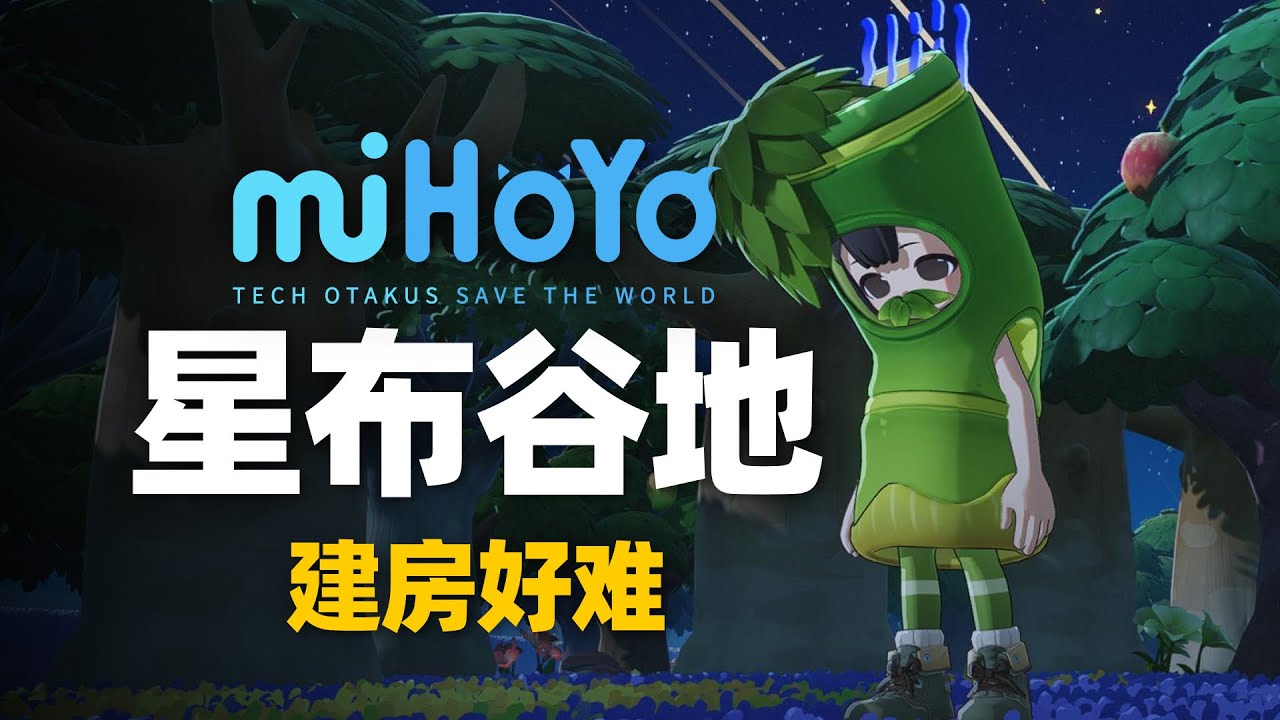
In Petit Planet, the social aspect of visiting other players' worlds is intended to be a source of inspiration, but for many, it becomes a catalyst for "creative anxiety." When you step onto a highly polished, high-density planet, it is natural to feel that your own developing island is inadequate. However, the true joy of Petit Planet lies in the process of discovery and personalization, not in a race to achieve a sprawling metropolis. To sustain your interest and avoid burnout during your playthrough, you must shift your perspective from competitive benchmarking to personal creative fulfillment.
Understanding the "Comparison Trap"
The social systems in Petit Planet are designed to showcase player creativity, but they often present a distorted reality. Early testers frequently encounter "masterpiece" planets that feature complex, high-density object placement and meticulous terraforming.
When you are still in the early stages of the game, your resources are limited, and your access to decorative items is restricted. Comparing your current build to a veteran’s island is an apples-to-oranges comparison. These high-end designs are often the result of hundreds of hours of play, specific resource-hoarding strategies, or a singular focus on aesthetics over functional progression.
To break out of the comparison trap, you must reframe your visits. Instead of viewing a stranger's island as a standard you must meet, view it as a technical manual. Look at the lighting, the pathing, and the item layering. When you stop looking at the "whole" and start analyzing the "parts," you transform a demoralizing experience into an educational one that directly benefits your own design skills.
Prioritizing Personal Creative Milestones
Growth in Petit Planet is meant to be incremental. If you attempt to replicate large-scale designs immediately, you will likely encounter resource shortages and frustration. Instead, focus on small, manageable creative milestones that provide a sense of completion.
- Zone-Based Development: Rather than trying to decorate an entire planet, pick one "cozy corner." Whether it is a small garden, a reading nook, or a functional fishing spot, perfecting a small area provides a dopamine hit that encourages further play.
- The Utility-First Approach: Before you worry about the aesthetic "wow factor," ensure your resource-gathering areas and basic utility structures are efficient. A well-organized, functional planet is more satisfying to play on than a beautiful one that is difficult to navigate.
- Embrace the "Messy" Phase: Every great build in Petit Planet started with a chaotic collection of items. Treat your early planet as a laboratory. Experimenting with object placement, even if it looks "messy," is how you discover your personal style.
Managing Expectations During Early Access and Beta Phases
In any game like Petit Planet, the "fear of missing out" (FOMO) is a primary driver of burnout. During testing phases, players often feel pressured to reach "end-game" aesthetics to keep up with the community.
It is vital to recognize that Petit Planet is designed as a "slow-burn" experience. The game’s mechanics reward patience. If you feel discouraged after visiting a high-level planet, step back from the social tools. Return to your own planet and focus on tasks that provide immediate feedback, such as gathering resources or completing basic objectives. Your value as a player is determined by your enjoyment of the creative process, not by how closely your planet resembles the most popular screenshots on social media.
Strategies for Productive Social Visits
If you enjoy the social aspect of Petit Planet but want to avoid the negative side effects of comparison, use a structured approach to your visits:
- The "Detail-First" Filter: When you land on a new planet, don't look at the layout. Look at the items. If you see a combination of objects you like, examine how they are spaced.
- Document and Adapt: Use the game's screenshot or memo function to catalog ideas. If you see a clever way to use a fence or a path, write down the concept. You aren't "copying"—you are learning design language.
- Active Engagement: If the social tools allow, interact with the creator. Ask how they achieved a specific look. Often, you will find that their "pro-level" design was achieved through a simple game mechanic you haven't tried yet.
- Curated Socializing: If you find that specific social hubs consistently make you feel "behind," limit your time in those areas. Focus on visiting friends or players who are at a similar progression level to yours; growing together is often more rewarding than looking up to the "top" of the leaderboard.
Why Your Unique Vision Matters
The core appeal of Petit Planet is the freedom to express yourself. If you spend your time trying to replicate the designs of others, you are essentially playing someone else’s game.
To maintain long-term engagement, you must cultivate a "Creator’s Mindset." This involves:
- Setting Personal Objectives: Instead of "I want my island to look like theirs," try "I want to create a space that feels relaxing to me."
- Celebrating Small Wins: Completed your first bridge? That’s a win. Organized your storage? That’s a win. These small victories are the building blocks of a great planet.
- Understanding the Lifecycle: Remember that every "perfect" island you visit was once a blank slate. The creators of those islands faced the same limitations and empty spaces you are facing right now.
Final Thoughts: Designing for Yourself
Petit Planet is a sandbox, not a competition. The moment you begin comparing your creative journey to others, you surrender the autonomy that makes the game enjoyable. By focusing on your own milestones, learning the technical nuances of object placement, and managing your exposure to high-level content, you ensure that your time in the game remains a relaxing, rewarding hobby.
Your planet is a reflection of your personality and your progress—not a benchmark for community status. Keep building, keep experimenting, and remember that the most successful players are those who find the most joy in their own unique creative process.

Free Petit Planet Codes
Current active codes and how to redeem them.

Sarah Williams
Sarah specializes in RPG and collection games, explaining team building, character growth, and beginner-friendly ways to avoid expensive early mistakes.
COMMUNITY
Player Comments
80 players commented on this guide.
I tried this today and it worked better than my old setup.
Good guide for Petit Planet players. The strategy part was useful.
This saved me time in the early game.
The explanation is clear, especially for beginners.