
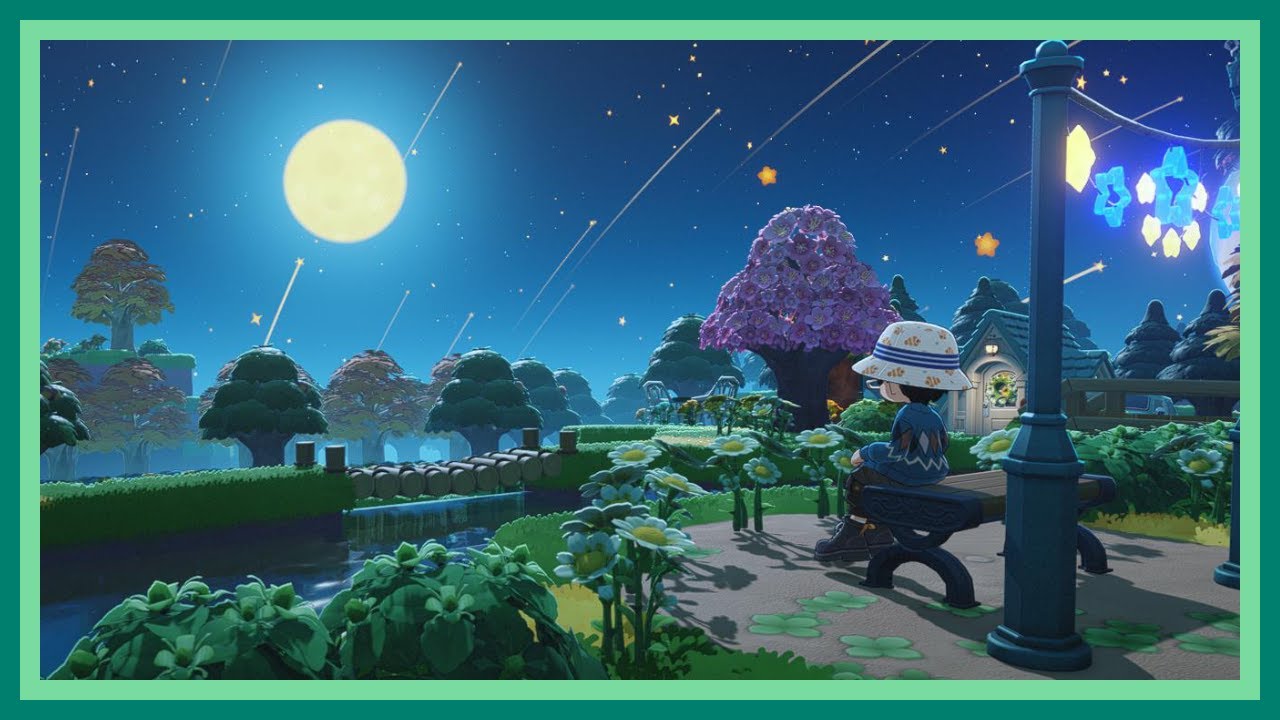
In Petit Planet, the most efficient way to play is not by hoarding resources or building permanent, static structures, but by embracing the "Beauty of Impermanence." By designing environments that are meant to be temporary, you shift your focus from rigid utility to sensory discovery. This guide explores how to navigate the complex terrain of your planet while balancing your progression cycles through intentional, ephemeral design.
The Philosophy of Transient Design
The core mechanic of Petit Planet encourages players to view their world as a living, breathing canvas rather than a static base. When you prioritize the "Beauty of Impermanence," you detach yourself from the pressure of creating a "final" design.
This mindset is crucial for several reasons:
- Reduced Decision Fatigue: Instead of stressing over the perfect placement, you focus on what feels right for the current moment.
- Enhanced Discovery: By constantly changing your layout, you force yourself to interact with the terrain in new ways, uncovering hidden paths and environmental interactions you might otherwise miss.
- Zen-like Flow: The act of building and dismantling becomes a meditative loop, turning resource management into a rhythmic, relaxing process rather than a chore.
Navigating Complex Terrain Efficiently
Traversal in Petit Planet requires an understanding of how your character interacts with the environment. Because the terrain is often uneven, efficient movement depends on how you bridge gaps and manage elevation.
Tips for Fluid Movement:
- Read the Landscape: Before placing structures, identify the natural "flow" of the terrain. Use natural slopes rather than forced stairs to maintain speed.
- Strategic Placement: Use temporary markers to identify high-traffic zones. If you find yourself frequently jumping or stalling in a specific spot, that area likely needs a design adjustment to streamline movement.
- Verticality vs. Horizontal Exploration: Don't be afraid to clear high-altitude zones if they aren't providing value. If a platform is difficult to reach, it may be better to remove it and focus on the lower, more accessible plains.
Managing the Lifecycle of Creative Assets
To master the art of impermanence, you must treat your inventory as a fluid resource rather than a collection of permanent fixtures. Every item you place should have a purpose for the "now."
The Pruning Process
Maintaining a clean, functional planet requires regular curation. If an object no longer serves the aesthetic or functional goal you have in mind, remove it. This "active pruning" allows you to:
- Clear Visual Clutter: Keep your screen free of unnecessary assets, making it easier to spot resources or environmental cues.
- Optimize Performance: By limiting the number of active objects in one area, you keep your creative momentum high and prevent the feeling of being overwhelmed by your own creations.
- Refine Your Taste: The more you remove, the more you learn about what truly adds "coziness" to your planet.
Prioritizing Atmospheric Shifts
In Petit Planet, utility is secondary to atmospheric satisfaction. If a section of your planet feels stale, the most logical step is to re-sculpt it. This adaptability allows your world to remain responsive to the game’s day/night cycle and changing weather patterns.
When you decide to transition your design, ask yourself these questions:
- Does this placement enhance the current mood of the area?
- Is this object obstructing a natural path that I use frequently?
- Would this space feel more "cozy" if it were open or repurposed for a different theme?
Balancing Design Cycles and Resources
The challenge of impermanence is maintaining enough resources to support frequent changes without falling into the trap of hoarding. To balance your progression, adopt the following strategies:
The 3-Day Rotation Rule
Commit to refreshing a specific zone on your map every few days. This prevents your planet from becoming stagnant. Use this cycle to re-evaluate your resource needs; if you find you are constantly moving the same items, you likely have the correct amount of inventory. If you are constantly dismantling, use the reclaimed materials to test new, experimental layouts elsewhere.
Inventory Fluidity Checklist
- Keep Tools Accessible: Never bury your deconstruction tools in deep menus. They should be your most-used items.
- Avoid Hoarding: If you haven't placed an item in over a week, it is likely clutter. Repurpose those materials into something that fits your current theme.
- Deconstructive Observation: Always pause for a few seconds after removing a large structure. Use this "negative space" to observe the terrain. Often, the void left behind is more beautiful and functional than the object that occupied it.
Avoiding Common Mistakes
Many players fall into the trap of "Perfectionist Paralysis," where they refuse to move an object because of the time it took to place. In Petit Planet, time spent designing is never wasted if it leads to a deeper understanding of the game's mechanics.
- Mistake 1: Over-building. Filling every square inch of your planet creates noise. Learn to embrace empty spaces as part of the design.
- Mistake 2: Fear of Deconstruction. Don't worry about "wasting" effort. The reward is the experience of the change, not the preservation of the object.
- Mistake 3: Static Progression. Don't view your planet as a building simulator where you reach a "finished" state. It is a sandbox for your current mood.
Final Thoughts: The Evolving Story
Ultimately, Petit Planet is about the story you tell through your environment. By embracing the beauty of impermanence, you turn your journey into an evolving narrative. When you stop worrying about the destination—the final, perfect version of your world—you start to appreciate the quiet, cozy details that make the game special. Keep your tools sharp, your perspective fluid, and your planet ever-changing. Your most rewarding design is always the one you haven't built yet.

Free Petit Planet Codes
Current active codes and how to redeem them.

Michael Smith
Michael covers live-service games, events, reward systems, and efficient daily routines, turning frequent updates into clear actions for players.
COMMUNITY
Player Comments
92 players commented on this guide.
Good guide for Petit Planet players. The strategy part was useful.
This guide answered the exact question I had.
I tried this today and it worked better than my old setup.
Nice guide. I am checking the other Petit Planet articles next.