
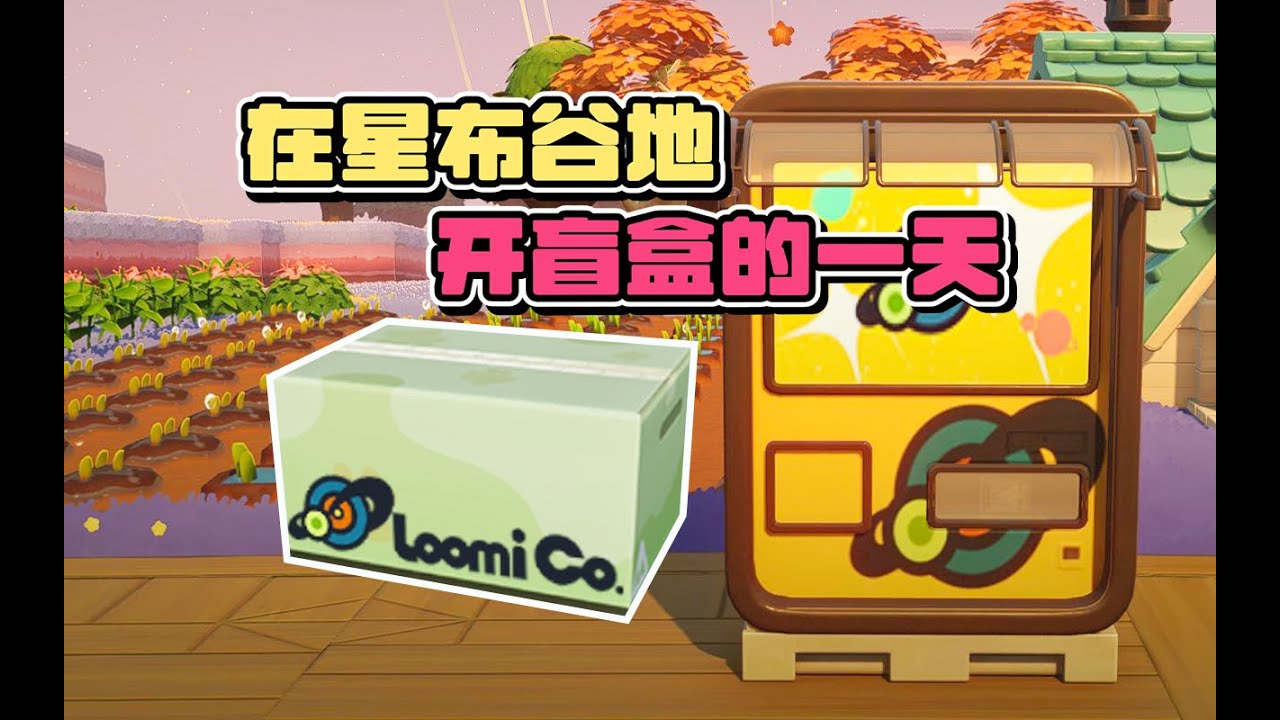
In Petit Planet, the path to building a top-tier island requires a dual focus: mastering the "blind box" (gacha) mechanics to secure rare assets and optimizing your cooperative gameplay to bypass resource bottlenecks. Whether you are a solo decorator or a collaborative explorer, understanding how to manage your currency and inventory is the difference between a cluttered, stagnant base and a flourishing, aesthetically pleasing planet.
This guide breaks down the essential strategies for navigating the gacha system, maximizing social rewards, and managing your limited inventory space to ensure your progression remains steady and efficient.
Optimizing the Gacha Blind Box System
The blind box system in Petit Planet is the primary engine for obtaining high-rarity decorative assets. However, relying on luck alone is a recipe for resource depletion. To maximize your success, follow these expert strategies:
- Prioritize Multi-Pulls: While the temptation to perform single pulls is high, statistical efficiency in Petit Planet heavily favors multi-pulls. These bundles often trigger "pity" mechanics or bonus drop rates that are unavailable during single-item rolls.
- Track Banner Rotations: Never pull blindly. The game rotates its item pools frequently; always check the current banner composition before spending. If the pool does not contain items that fit your current theme or aesthetic goals, save your currency for the next rotation.
- The Reserve Rule: Maintain a "safety net" of currency equal to at least one full multi-pull. This ensures that when a limited-time event or a highly desirable seasonal banner drops, you are not forced to scramble for resources or resort to microtransactions.
Leveraging Cooperative Exploration for Faster Progression
Petit Planet is designed as a social-first experience, and the game’s resource gathering mechanics are significantly faster when players work in tandem.
Synchronized Gathering
When visiting a friend’s planet or exploring shared zones, do not simply wander aimlessly. Synchronize your tasks. If an area has a high density of crafting materials, one player should focus on terrain navigation and clearing obstacles, while the other handles the harvesting of resources. This "forward-scout and collector" model ensures that you maximize your daily stamina usage without wasting time backtracking.
Tackling Environmental Puzzles
Many of the game's most lucrative resource nodes are locked behind cooperative environmental puzzles. These puzzles typically require two players to interact with specific triggers simultaneously. By engaging in these social activities, you gain access to unique materials that cannot be obtained through standard solo exploration, effectively giving you a significant head start over players who stick exclusively to their own planet.
Strategic Inventory and Aesthetic Management
As you accumulate items from blind boxes, your storage will inevitably become a bottleneck. Effective management is about more than just clearing space; it is about managing your "Aesthetic Budget."
- Categorize Immediately: Upon pulling items, sort them into three categories: Core Decor (items essential to your current theme), Functional Assets (items that provide utility or resources), and Fodder (low-rarity items).
- Use the Storage Filter: Utilize the in-game filter system to identify low-rarity duplicates. If the game allows for item exchanges or recycling, prioritize converting these duplicates into upgrade materials rather than letting them clutter your limited storage slots.
- The Aesthetic Budget: Remember that Petit Planet limits how many objects can be rendered on your island. Avoid placing every item you pull. Curate your space to ensure that the high-value pieces you worked so hard to get are the focal points of your design, rather than being drowned out by low-rarity clutter.
The Power of Social Rewards
If your luck with the gacha system is failing, shift your focus to social rewards. Petit Planet provides a secondary progression path that is often overlooked by newer players.
- Friendship Points: By helping others with their construction projects or contributing to their planet's development, you earn friendship points. These can be exchanged at the social vendor for exclusive cosmetics that are often more visually distinct than standard blind box items.
- Community Events: Pay close attention to community-wide tasks. These events often require collective input from multiple players and provide rewards that bypass the RNG (random number generation) of the blind boxes entirely.
Common Mistakes to Avoid
Avoiding these common pitfalls will save you hours of frustration and wasted resources:
- Spending on Impulse: Do not spend your currency just because you have it. Wait for specific "rate-up" events where the drop probability for rare items is explicitly increased.
- Ignoring Daily Tasks: Many players focus too hard on long-term goals and ignore daily login rewards. These small, incremental gains add up to a significant amount of currency over the course of a week.
- Over-Designing Early: Don’t try to make your planet perfect in the first few days. Focus on gathering resources and unlocking the map first; the decorative phase of the game is much easier once you have a surplus of materials and a larger inventory capacity.
Conclusion: Balancing Your Progression Cycle
Success in Petit Planet is a balancing act between the thrill of the blind box and the steady, reliable grind of cooperative exploration. By maintaining a reserve of currency, focusing on social interaction, and being disciplined with your storage, you ensure that you are always ready for the next update. Treat your planet as a long-term project, prioritize the items that truly fit your vision, and lean on your community to overcome the game’s toughest challenges. With this approach, you will find that even when your "gacha luck" is low, your progress remains consistently high.

Free Petit Planet Codes
Current active codes and how to redeem them.

James Brown
James focuses on Android gaming on PC, emulator setup, controls, performance tuning, and practical troubleshooting for longer play sessions.
COMMUNITY
Player Comments
43 players commented on this guide.
This helped me understand resources much better.
Good guide for Petit Planet players. The resources part was useful.
I tried this today and it worked better than my old setup.
I wish I had read this before upgrading the wrong thing.