
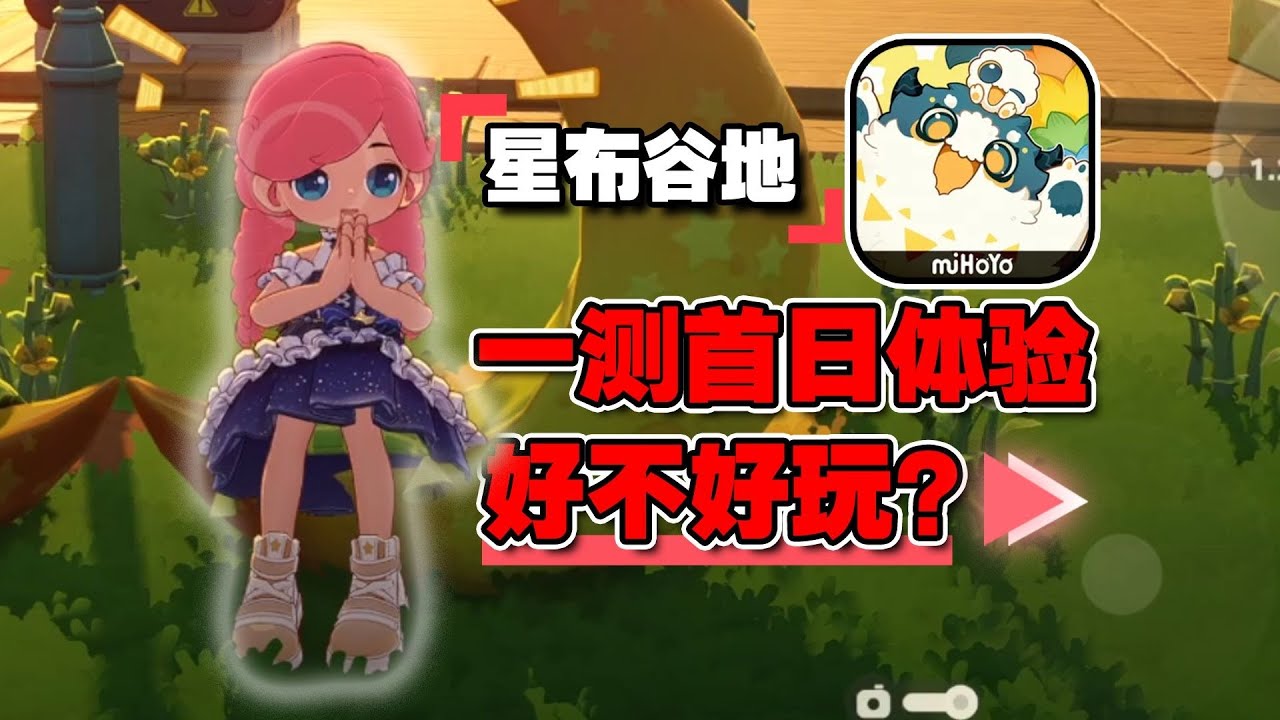
Mastering traversal in Petit Planet requires a fundamental shift from traditional "point-A-to-point-B" exploration to active, tactile engagement with the game's stylized, physics-driven environment. As HoYoverse’s foray into the life-simulation and cozy-adventure genre, Petit Planet rewards players who treat the world as a living, breathing puzzle rather than a static backdrop. During the initial "Habitable Test," it becomes clear that efficiency is not found in speed, but in the observation of environmental cues and the strategic management of character limitations.
Navigating Dynamic Terrain and Physics-Based Puzzles
The world of Petit Planet is built upon a foundation of interactive, physics-driven terrain. Unlike traditional exploration games where the environment is merely a container for the player, here, the landscape responds to your presence. To navigate efficiently, you must adopt a "mechanic-first" mindset.
- Manipulate the Environment: Many obstacles can be pushed, pulled, or climbed. If a path seems blocked by debris, scan for nearby objects that can be moved to create a bridge or a ramp.
- Visual Cues: Pay close attention to environmental assets that feature unique color palettes or subtle animations (e.g., swaying plants or flickering lights). These are often signals that an object is interactable or hides a secret.
- Verticality: Rare resources and quest-critical items are frequently placed on elevated terrain. If you find yourself unable to reach a ledge, look for nearby physics objects that can be stacked or manipulated to grant you the height boost required for the climb.
Treating every obstacle as a potential puzzle piece is the most effective way to uncover shortcuts and hidden caches that passive explorers will inevitably overlook.
Optimizing Objective Discovery Through NPC Interaction
In Petit Planet, the narrative and objective systems are deeply intertwined with the social fabric of the world. While many games treat NPCs as static quest-givers, here, they are your primary navigation tools and conduits for progression.
Proactive engagement is essential. When entering a new sub-region, prioritize conversations with local inhabitants before setting out to explore the wilderness. Many objectives are "gated" by specific conditions:
- Inventory Checks: Some NPCs will only provide mission-critical information if you possess a specific item or resource in your inventory.
- Temporal Conditions: Certain quest branches only trigger at specific times of day or weather conditions. If an NPC isn't offering a new objective, consider returning during a different cycle.
- Rumor Systems: Pay attention to the "tips" or "rumors" mentioned in dialogue. These often mark specific locations or resource nodes on your map that would otherwise remain hidden.
If you find yourself stuck, re-engaging with NPCs you’ve already spoken to is a viable strategy. Dialogue branches in Petit Planet are often dynamic, revealing new information as your character levels up or completes other milestones.
Managing Stamina and Movement Constraints
Efficient traversal in Petit Planet is strictly governed by your character’s physical limits. Managing stamina is the difference between a fluid, rewarding exploration loop and a frustrating cycle of restarts.
- The Sprint/Climb Balance: Sprinting consumes stamina rapidly, as does climbing steep inclines. Avoid "panic-sprinting" across open meadows. Instead, look for natural paths, stairs, or flat landings that allow your stamina to regenerate while you move.
- Vertical Planning: When tackling a cliff face, always scout the route for ledges. Landing on a flat surface mid-climb will pause stamina depletion, allowing you to catch your breath and plan the final ascent.
- Traversal Upgrades: Keep an eye out for gear or character upgrades that reduce stamina consumption. Prioritizing these early in your progression will significantly expand the radius of your exploration sessions.
By planning your route to favor natural walkways and taking advantage of rest spots, you ensure that your character is always ready for the next discovery rather than being stranded at the base of a cliff waiting for a stamina bar to refill.
Prioritizing Resource Nodes During Exploration
One of the most common mistakes in Petit Planet is ignoring resource collection in favor of reaching a primary objective. This leads to a "bottleneck" effect where you are forced to grind for materials later to complete crafting or building tasks.
Instead, adopt a "sweeping" traversal style:
- The Perimeter Sweep: Avoid taking the most direct line between two points. Instead, take a wider arc through areas known to contain gatherable nodes. This allows you to accumulate high-value materials passively.
- Inventory Management: Your carrying capacity is finite. Before departing on a long journey, clear your inventory of low-value, common items. Prioritize materials required for your current construction goals or immediate character upgrades.
- Strategic Gathering: If your inventory is nearly full, prioritize items that are harder to find or located in high-danger zones. Leave common resources like wood or stone for moments when you are closer to your base or a storage hub.
By integrating resource gathering into your movement rhythm, you transform traversal from a chore into a productive cycle of material acquisition, ensuring that your base development never stalls.
Strategic Decisions: When to Explore vs. When to Build
A key insight from the Petit Planet "Habitable Test" is knowing when to stop exploring and return to your home base. Players often fall into the trap of over-exploration, leading to inventory overflow and missed crafting windows.
Use these indicators to decide your next move:
- Inventory Threshold: Once your inventory hits 80% capacity, prioritize returning to a base or storage terminal. Navigating with a full inventory makes it impossible to pick up rare items you might find on the road.
- Quest Milestones: If you have completed a series of objectives, return to your base to turn in the progress. This often unlocks new, more efficient traversal tools or base-building schematics that will make your next exploration trip significantly easier.
- Day/Night Cycles: Use the day cycle for long-distance traversal and objective discovery, and use the night cycle for base management, crafting, and sorting your collected resources.
Mastering Petit Planet is about the synergy between your world interactions and your base development. By treating traversal as a strategic, multi-layered activity rather than a simple movement mechanic, you will maximize your efficiency and gain a deeper appreciation for the intricate, rewarding world that HoYoverse has crafted.

Free Petit Planet Codes
Current active codes and how to redeem them.

Emily Johnson
Emily writes practical mobile strategy guides with a focus on resource planning, base progression, and the early decisions that shape a long-term account.
COMMUNITY
Player Comments
142 players commented on this guide.
Nice guide. I am checking the other Petit Planet articles next.
Good guide for Petit Planet players. The resources part was useful.
This guide answered the exact question I had.
I wish I had read this before upgrading the wrong thing.