
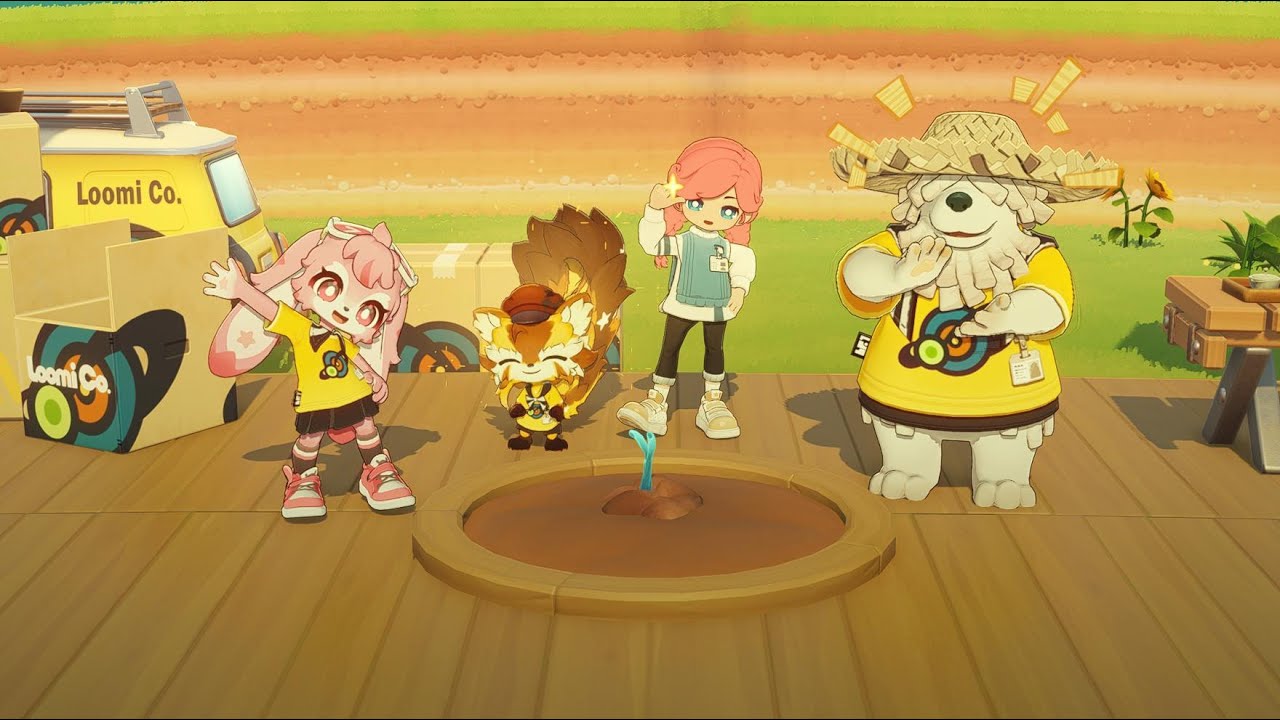
In Petit Planet, narrative progression is the backbone of your gameplay experience. Unlike sandbox games that leave you entirely to your own devices, Petit Planet ties its most critical mechanics—such as land expansion, tool acquisition, and social features—directly to the story. To progress efficiently, you must treat character dialogue and narrative cues not as optional flavor text, but as essential mechanical triggers that dictate your capabilities within the game world.
The Mechanics of Narrative Progression
At its core, Petit Planet utilizes a gatekeeper system where key NPCs act as the primary engines of advancement. Understanding how these interactions function is the difference between a smooth gameplay loop and hitting an early-game wall.
When you start your journey, the game introduces a series of quests that are fundamentally linked to your relationship with specific characters. These NPCs do more than provide exposition; they provide the "permission" to unlock new map sectors and gameplay systems. If you find your progress stalling, it is rarely due to a lack of individual skill or a need to grind; rather, it is almost always because you have not reached the specific dialogue trigger required to advance the current story chapter.
Why Prioritizing NPCs Matters:
- Feature Unlocks: Essential mechanics, such as crafting stations or specialized gathering tools, are frequently rewarded through dialogue-driven quests.
- World Expansion: Certain regions of your map remain inaccessible until a specific NPC "tells" you about them, effectively removing an environmental barrier.
- Relationship Building: Establishing rapport with NPCs through dialogue is a prerequisite for long-term reputation gains, which eventually unlock unique rewards.
Strategically Tracking Milestones and Objectives
Petit Planet utilizes a "memo" system to keep track of active narrative goals. To maintain momentum, you should treat these memos as your primary checklist. When a cutscene concludes, the game often updates your objective list with specific, actionable items.
Do not ignore these prompts. Many players make the mistake of wandering off into the wilderness immediately after a dialogue sequence, only to realize they lack the basic tools to gather the resources they find. By following the "memo" objectives, you ensure you are always equipped with the latest tools provided by the story’s progression.
Best Practices for Monitoring Progress:
- Check the Dialogue Log: If you accidentally skip a line of text, access your log. Developers often hide hints about where to go next or which items are required for a quest within these logs.
- Follow the UI Markers: When an NPC has something new to say, they are often highlighted on your map. Never leave a quest hub without checking if your primary NPCs have a "!" or similar indicator above their heads.
- Atmospheric Shifts: Note changes in your environment. If the lighting, music, or weather patterns shift, it is usually a sign that you have entered a new narrative chapter, often unlocking new interaction options with existing NPCs.
Navigating Story-Specific Environmental Puzzles
Progression in Petit Planet involves more than just reading text; it requires environmental interaction. Many narrative segments are gated by puzzles that require specific tools or knowledge gained through dialogue.
If you encounter an obstacle—such as an overgrown path or a locked structure—do not try to bypass it through brute force or creative jumping. Instead, look for the NPC associated with that specific biome. The game is designed so that the solution to an environmental puzzle is almost always provided in the preceding dialogue chain. If you are stuck, return to your hub, engage with your core cast, and look for dialogue options that mention the obstacle you are facing.
The Exploration vs. Narrative Trade-off
One of the most common mistakes in Petit Planet is attempting to explore the entire map too early. While the game provides a beautiful, open-ended environment, the "sandbox" elements are restricted by your current narrative status.
The "Breathing Room" Strategy:
- Phase One (Progression Focus): Rush the main story until you reach a natural "breathing room" point. This is usually after you have unlocked basic crafting, housing customization, and essential travel tools.
- Phase Two (Exploration Focus): Once you have the necessary tools, pivot to exploration. You will find that you can now harvest resources, reach previously inaccessible areas, and engage with the world much more effectively.
- Phase Three (Optimization): Use the blueprints and rewards gathered during Phase One to customize your living space.
By following this order, you avoid the frustration of discovering rare materials you cannot harvest or finding ruins you cannot enter. The story provides the "keys" to the world; the exploration provides the "treasure."
Maximizing Rewards and Hidden Mechanics
Every narrative event in Petit Planet is a tutorial in disguise. When a character explains a new system, they are often giving you the most efficient way to utilize that system later.
Pay close attention to tutorials embedded within cutscenes. For example, if a character explains how to care for a specific type of wildlife, they are often providing the only way to harvest a secondary resource that will be vital for late-game upgrades. Skipping these moments means you will likely spend hours experimenting with mechanics that could have been understood in seconds.
Pro-Tips for Narrative Mastery:
- Document Interactions: Keep a mental (or physical) note of what each NPC specializes in. Knowing who provides blueprints versus who provides resource gathering buffs allows you to prioritize your daily tasks.
- Invest in Relationships: Treat dialogue choices as a long-term investment. While early choices may seem trivial, they set the tone for your relationship with the townspeople, which can influence the frequency of side-quest opportunities.
- Check Back Frequently: Even if an NPC has no quest marker, revisit them after major story beats. In Petit Planet, dialogue is dynamic; characters often have new, useful information to share based on your recent accomplishments.
By shifting your focus from "aimless exploration" to "narrative-driven progression," you unlock the full depth of Petit Planet. Use the story as your compass, and you will find that the sandbox elements of the game become far more rewarding once you have the tools and knowledge to truly shape your world.

Free Petit Planet Codes
Current active codes and how to redeem them.

Emily Johnson
Emily writes practical mobile strategy guides with a focus on resource planning, base progression, and the early decisions that shape a long-term account.
COMMUNITY
Player Comments
158 players commented on this guide.
The explanation is clear, especially for beginners.
This saved me time in the early game.
Nice guide. I am checking the other Petit Planet articles next.
Can you add more details about base building in a future update?