
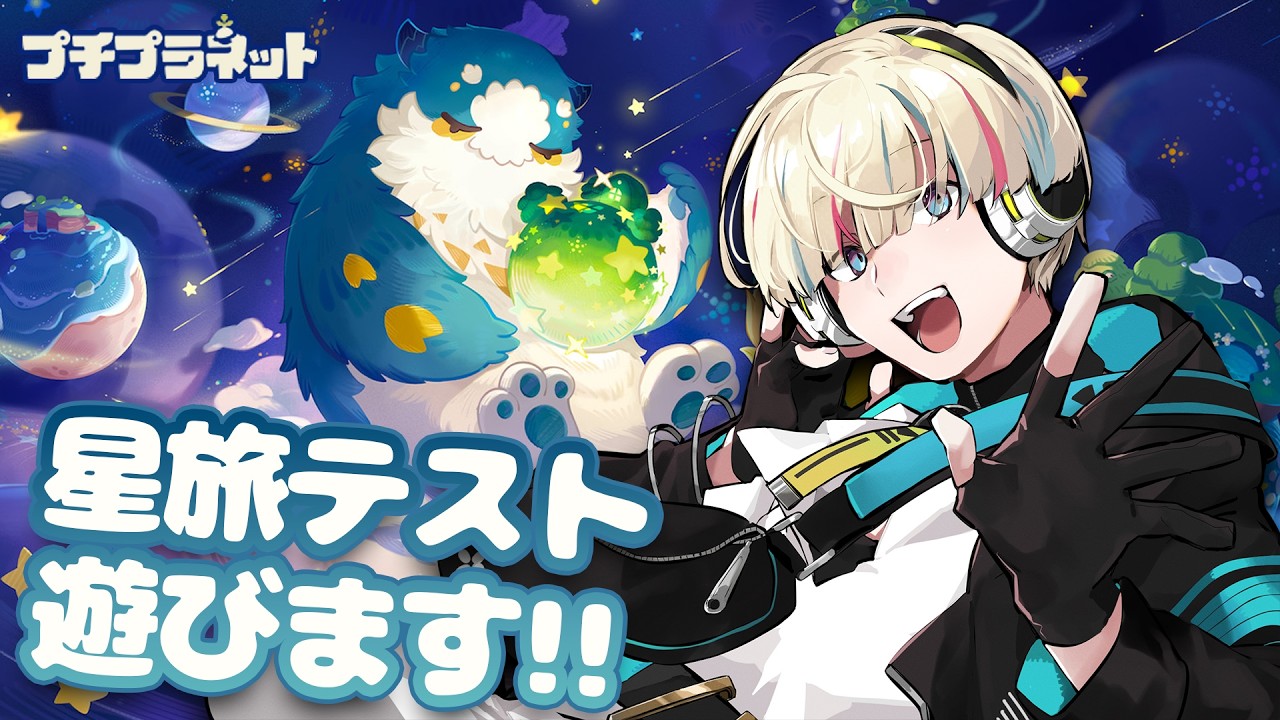
Petit Planet is a deliberate, atmospheric experience that rewards players who understand the nuances of its spatial design and interaction mechanics. Unlike fast-paced action titles, success here is defined by your ability to read the environment, manage your character’s positioning, and cultivate a productive daily routine. Whether you are a new arrival to the test environment or looking to optimize your resource gathering, mastering these fundamentals is the key to unlocking the full potential of your starting star.
Understanding Movement and Spatial Navigation
In Petit Planet, movement is not merely a means of getting from point A to point B; it is an exercise in environmental engagement. The game utilizes a physics-influenced movement system that feels intentional and weighted. To navigate effectively, you must learn to read the topography.
- Elevation and Verticality: The terrain is often layered. When you reach a seemingly impassable slope, look for "stepping stones" or natural ramps that allow for vertical progression. If you find yourself struggling to climb, approach the incline at a slight angle rather than head-on; the physics engine often registers movement more fluidly when you aren't fighting the slope directly.
- Camera Mastery: The camera is your most powerful tool for spatial awareness. In dense areas or when hunting for hidden resource nodes, pull the camera back to its maximum zoom level to gain a bird's-eye view. If you lose track of an interactive object, switching to a top-down perspective often highlights the "sparkle" or UI indicator that signifies an object of interest.
- Fluidity vs. Speed: Do not attempt to "sprint" through the landscape. The game rewards a steady, rhythmic traversal. By maintaining a consistent pace, you are less likely to miss environmental triggers or quest-critical items tucked away behind decorative foliage or rock formations.
Maximizing Object Interaction and Feedback
The core gameplay loop of Petit Planet revolves around how you manipulate your surroundings. Because the game utilizes a physics-based interaction system, your character's positioning relative to an object is vital.
- The Interaction Prompt: Always wait for the UI interaction prompt to appear before initiating an action. If you attempt to interact while moving or slightly out of range, the action may fail or enter a cooldown state. Stop completely, center your character, and wait for the specific indicator.
- Categorizing Utility: Not all items are created equal. As you explore, begin to categorize objects into three tiers:
- Static Decor: Items with no interaction prompt. These are for immersion and should be ignored during efficiency-focused sessions.
- Resource Nodes: Items that provide materials. These should be prioritized for your crafting progression.
- Focal Points: Quest-related items or interactive machinery. These should be your primary destination markers on your map.
- Physics Feedback: Observe how objects react to your character. If an item moves or tips when you touch it, it is likely a physics-based puzzle element. These items often require specific placement to trigger a quest progression or unlock a new area.
Efficient NPC Engagement Strategies
NPCs in Petit Planet serve as the narrative anchors for your progression. They are not merely quest-givers; they provide the context needed to navigate the planet’s lore and secret mechanics.
- Exhaustive Dialogue: Never treat NPC interactions as a single-click task. Always cycle through all dialogue options available in a single visit. Often, the most critical information—such as the location of rare resources or the trigger for a sub-quest—is hidden in the final dialogue branch.
- The Checklist Method: Treat NPC requests as a checklist. Before leaving a hub, make a mental or physical note of every item an NPC has requested. This allows you to "batch" your gathering, ensuring that when you go out into the wild, you are collecting items for multiple tasks simultaneously.
- Strategic Positioning: Note where NPCs are located relative to high-density resource zones. If an NPC is near a garden or a workshop, prioritize their quests first to unlock nearby utility buildings that may make your subsequent gathering efforts more efficient.
Managing Your Daily Activity Routine
The "slow-life" nature of Petit Planet requires a structured approach to prevent burnout or inefficiency. By establishing a consistent daily route, you ensure that you are making steady progress rather than wandering aimlessly.
- The Zone-Clearing Loop: Instead of exploring the entire map, divide your play session into "zones." Focus on fully exploring and gathering resources within a single quadrant of your current star before moving to the next. This prevents you from backtracking and helps you keep a clean inventory.
- Prioritize High-Value Tasks: Start your session with "Essential Maintenance"—checking in with NPCs and clearing daily resource nodes. Save "Exploration" for the latter half of your session, when your inventory is organized and your quest log is updated.
- Progression Cycles: Petit Planet often cycles through different environmental states. Pay attention to how the time of day or weather conditions change the availability of certain resources. Some nodes may only appear during specific cycles; if you see a new resource, note the time and return during the next cycle to see if it refreshes.
Troubleshooting Common Traversal Issues
Physics-based games occasionally present movement hurdles where your character gets "stuck" on geometry. If you find your character caught on a rock or unable to trigger an interaction:
- Step and Reset: Back away from the object entirely. This resets the collision box and allows the engine to re-calculate your character's position.
- Angle Adjustment: If an interaction isn't triggering, it is rarely a bug; it is usually a positioning issue. Walk in a small circle around the object to find the "sweet spot" where the prompt becomes active.
- Perspective Shift: If you are playing on a controller or keyboard, use the camera rotate function to look at the object from the opposite side. Sometimes, interaction triggers are locked to the front-facing side of the object, and you may be approaching it from a "blind" angle.
By focusing on these deliberate, methodical approaches, you will find that Petit Planet becomes a rewarding and highly manageable experience. Focus on the quality of your interactions over the speed of your traversal, and you will quickly master the unique rhythm of this creative world.

Free Petit Planet Codes
Current active codes and how to redeem them.

Michael Smith
Michael covers live-service games, events, reward systems, and efficient daily routines, turning frequent updates into clear actions for players.
COMMUNITY
Player Comments
121 players commented on this guide.
I wish I had read this before upgrading the wrong thing.
Nice guide. I am checking the other Petit Planet articles next.
I tried this today and it worked better than my old setup.
This helped me understand strategy much better.