
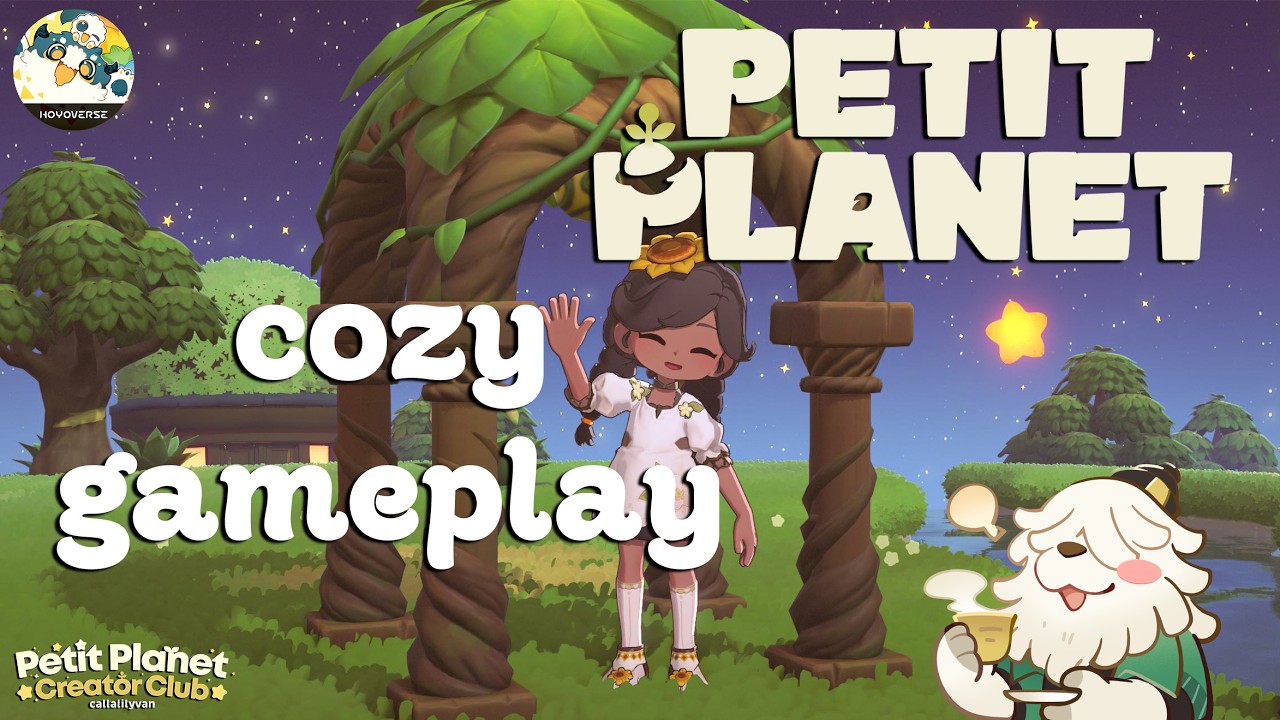
In the evolving landscape of Petit Planet, particularly during the Stardrift test phase, progression is driven by a delicate balance of narrative questing and social engineering. Players who succeed are those who move with purpose, treating every conversation with a Neighbor as a tactical maneuver and every journey across the map as an opportunity for resource optimization. This guide provides the expert strategies needed to navigate the current build, clear quest backlogs, and build a thriving social network within your local environment.
The Core Loop: Prioritizing Quest Objectives
The quest system in Petit Planet is the primary engine for discovery. Unlike games where quests are a secondary distraction, here they serve as your roadmap for unlocking new mechanics and map regions.
Why Tracking Matters
Always verify your active objective in the top-right UI panel. The game’s design often hides critical progression triggers behind specific narrative steps. If you are not tracking a quest, you may wander through a resource-rich zone without activating the necessary interactions to harvest or utilize those materials.
Overcoming "Quest Stalls"
If you find yourself unable to progress, the issue is rarely a bug; it is usually a missing interaction.
- Dialogue Review: Use your menu to re-read recent NPC dialogue. Characters in Petit Planet frequently give subtle hints about specific times of day or specific items required for their tasks.
- Sequential Logic: Some quests act as "gatekeepers." If a Neighbor stops offering new tasks, it is almost always because you have an outstanding objective with a different resident or a construction project that needs completion at your home base.
Building Rapport: The Social Mechanics of Petit Planet
Interaction with Neighbors is the most overlooked aspect of Petit Planet by new players. Building high rapport is not just about "being nice"—it is a functional requirement to unlock unique blueprints and hidden map locations.
The Daily Routine Strategy
Establish a "Social Circuit" as the first thing you do upon logging in. By visiting every resident in your vicinity before heading out to gather resources, you achieve two things:
- Objective Refresh: You ensure that you never miss a time-sensitive request that might expire or shift based on server-side logic.
- Information Gathering: Neighbors often provide "rumors" or tips about resource node spawns. These aren't just flavor text; they are direct pointers to where you should focus your exploration efforts for the day.
Personality Cues
Each character has a unique personality profile that dictates their interaction style. Learning these cues allows you to predict what kind of help they need. For example, industrious Neighbors will almost always request raw building materials, while those focused on exploration will likely ask for rare specimens found in distant biomes. Matching your inventory to the "personality" of the Neighbors in your sector is the fastest way to build rapport.
Advanced Environmental Exploration
In Petit Planet, the environment is not static. It is a puzzle of nodes, flora, and interactive terrain. Your goal is to turn exploration into an automated habit rather than a chore.
Pairing Exploration with Questing
Never travel to a quest marker in a straight line. The game rewards "weaving"—taking a winding path between your current location and your destination. This allows you to harvest nodes that would otherwise require a dedicated "farming run."
- Pathing Tip: Use high-ground vantage points to scan for unique colors or movement in the environment. These are usually indicative of high-value resource nodes.
- Inventory Efficiency: Before heading out, empty your bags of all non-essential items. If you are planning to travel to a new zone, store your base-building materials in your home storage. This gives you maximum "loot capacity" for the unique items required for mid-to-late game quests.
Strategic Inventory and Resource Management
Inventory management is the most common point of failure for players in the Stardrift test. When your bags are full of low-value materials, you cannot pick up the "Quest Critical" items required to advance.
The "Stardrift" Inventory Audit
Implement a strict inventory management routine to keep your gameplay fluid:
- The Home-Base Rule: Never start a quest chain while carrying excess stone, wood, or generic scrap. These should be dumped into your home storage containers.
- Categorization: Dedicate specific inventory rows to quest items. When you hover over an item in your menu, check its description; if it is labeled as "Quest Item," it should stay in your primary slot until the objective is turned in.
- Regular Purging: Every 30 minutes of gameplay, pause to evaluate your inventory. If you have stacks of materials that aren't needed for your current active quest, deposit them. This keeps your inventory space lean and prevents the frustration of having to drop items to make room for quest rewards.
Adapting to Beta Limitations
Because Petit Planet is currently in a testing phase, players must be prepared for "unpolished" moments. Flexibility is an essential skill for any beta tester.
When to Pivot
If a quest appears to be broken or an NPC isn't responding, do not spend your time trying to "force" the game to work. Instead, pivot to a different gameplay loop.
- Sector Hopping: If you have exhausted the quests in your current neighborhood, move to an adjacent area. Often, the Petit Planet server-side progression is tethered to region-based triggers.
- Feedback Loops: Use the in-game tools to report specific quest blocks. Developers prioritize fixes for quests that prevent the most players from progressing. By moving on to other tasks, you gain knowledge of other game systems, which often makes you a more effective player once the original quest is patched.
Summary Checklist for Maximum Efficiency
To ensure you are getting the most out of your time in Petit Planet, follow this quick-reference guide:
- Log Check: Check the quest log every time you log in to ensure your tracker is active.
- Socialize First: Complete your neighborhood "Social Circuit" before starting any long-distance travel.
- Clear the Bag: Store all bulk resources at home before embarking on a quest to ensure space for unique pickups.
- Weave Your Path: Never walk a straight line to an objective; gather materials along the way to avoid dedicated farming sessions.
- Stay Flexible: If a quest is blocked, pivot to exploration or a different region to keep your progression moving forward.
By treating Petit Planet as a system to be optimized rather than just a world to walk through, you will find that your progress through the Stardrift test is significantly faster and more rewarding. Focus on the relationships with your neighbors and the efficiency of your inventory, and you will unlock the secrets of the planet far ahead of the average player.

Free Petit Planet Codes
Current active codes and how to redeem them.

Sarah Williams
Sarah specializes in RPG and collection games, explaining team building, character growth, and beginner-friendly ways to avoid expensive early mistakes.
COMMUNITY
Player Comments
158 players commented on this guide.
The explanation is clear, especially for beginners.
Nice guide. I am checking the other Petit Planet articles next.
This saved me time in the early game.
This helped me understand strategy much better.