
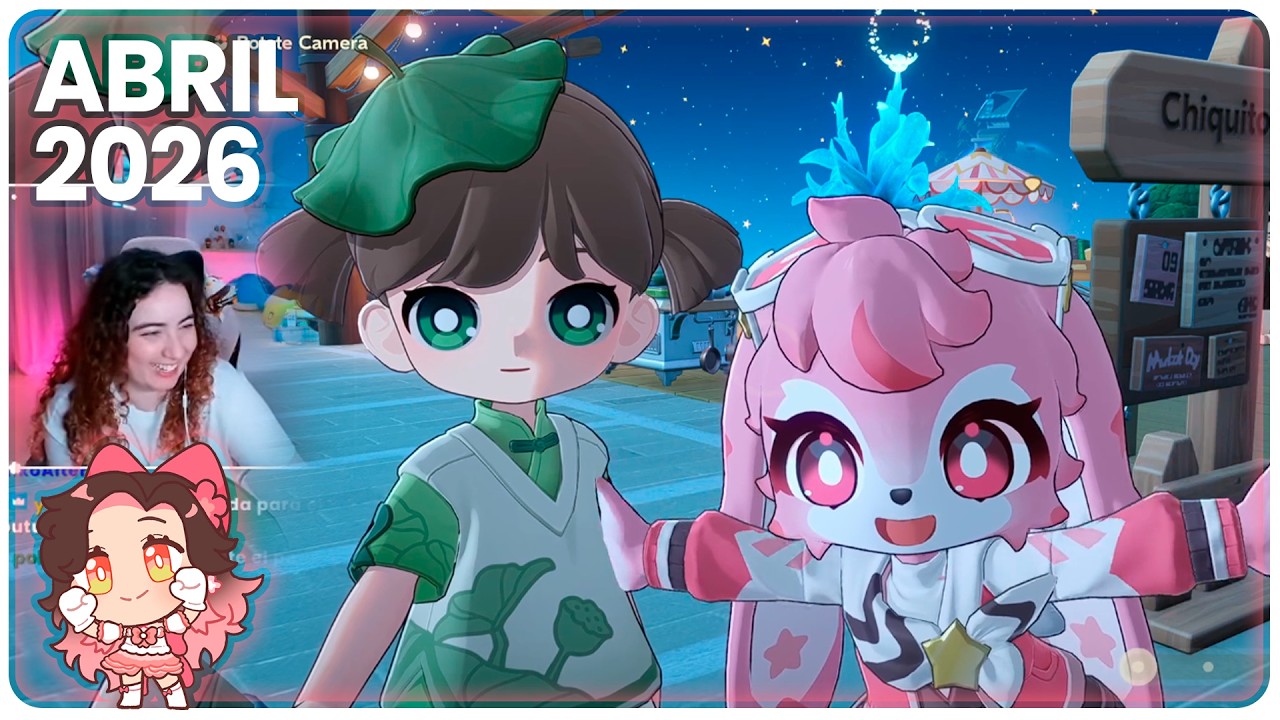
To succeed in Petit Planet, you must master the fundamental loop of balancing exploration with structured development. Because the game emphasizes environmental traversal and character management, success is rarely about finding the most resources, but rather about the efficiency of your collection and the consistency of your social interactions. By treating your time in Petit Planet as a series of optimized cycles rather than aimless wandering, you can accelerate your celestial development and unlock higher-tier mechanics faster than the average player.
Mastering Efficient NPC Interaction Cycles
In Petit Planet, NPCs are not merely flavor text—they are the primary catalysts for progression. Treating them as daily requirements rather than optional encounters is the single most effective way to fast-track your development.
- The Daily Check-in: Establish a "social route" at the start of every login. NPCs often reset their dialogue queues or provide limited-time tasks that grant rare crafting materials. Prioritizing these interactions first ensures you never miss a time-sensitive reward or narrative milestone.
- Dialogue Breadcrumbs: Pay close attention to the specific keywords NPCs use. In Petit Planet, NPC requests often act as dynamic pointers for where you should focus your exploration next. If an NPC mentions a specific type of flora or a unique terrain feature, that is your cue to prioritize that biome for your next resource run.
- Relationship Rewards: Consistent daily contact builds hidden affinity levels. Higher affinity often unlocks better trade rates or exclusive blueprints, which are essential for mid-to-late-game base expansion. Do not treat NPCs as static objects; treat them as partners in your planet's growth.
Optimizing Your Resource Gathering Loops
Resource gathering in Petit Planet can easily become a time sink if you lack a strategy. The goal is to move from "reactive gathering" (picking up what you see) to "proactive routing" (following a predetermined path of high-yield nodes).
Defining Your Harvest Route
A successful harvest route connects your base to the three nearest, highest-density resource zones. By creating a loop that allows you to collect materials and return home before your inventory reaches capacity, you eliminate the "dead time" spent trekking back and forth across the map.
- Map the Nodes: During your first hour of exploration, identify the respawn rates of common materials. Use the in-game marking system to highlight clusters of rare resources.
- Optimize for Weight and Utility: Not all resources are equal. Prioritize the weight-to-utility ratio. If a material is common and heavy, only collect it when you have a specific, immediate need. If a material is rare and lightweight, make it the anchor of your gathering loop.
- Cooldown Management: Petit Planet uses a respawn timer system for gatherable nodes. If you clear an area, do not linger. Move to the next zone in your route, allowing the nodes behind you to respawn while you work, creating a perpetual flow of materials.
Advanced Navigation and Terrain Management
The terrain in Petit Planet is complex, and movement speed is your most valuable resource. Navigating inefficiently is the quickest way to stall your momentum.
- Verticality is King: Most players stick to the ground, but Petit Planet rewards those who look up. Utilize elevated paths and natural ledges to bypass winding, low-ground obstacles. Often, the shortest distance between two points is a vertical climb followed by a controlled descent.
- Hazard Awareness: Certain biomes contain environmental hazards that temporarily debuff your character’s movement speed or stamina. Identify these zones on your map and mark them as "low priority" for routine runs. Only venture into these areas when you have specific, high-value objectives that justify the energy expenditure.
- Pathing Efficiency: Always check your mini-map before committing to a long trek. Look for "path-blocking" terrain features like deep ravines or dense forests. If your objective is on the other side of a major obstacle, look for established traversal shortcuts, which are frequently hidden near NPC settlements.
Balancing Exploration and Base Development
The tension between exploring for new resources and building your base is the core challenge of Petit Planet. The key to balancing these two is to avoid the "expansion trap"—the tendency to keep building without having the necessary foundation of raw materials.
- The 70/30 Rule: Dedicate 70% of your playtime to gathering and 30% to base construction. By the time you start a major building project, you should have all the necessary components already in your inventory. This prevents you from stopping mid-construction to go "scavenging," which is the most common cause of momentum loss.
- Internal Stability First: Before heading into unknown, distant regions, ensure your base is fully self-sufficient. A base that requires constant manual input is a liability. Focus on automating basic production lines early so you can spend more time exploring the outer reaches of the planet without fearing a resource shortage at home.
Strategic Beta Participation and Future-Proofing
If you are playing Petit Planet during a beta phase, your priorities shift from long-term sustainability to "stress-testing" mechanics. When progress is subject to resets, your main goal is to acquire knowledge that carries over even if your inventory does not.
- Stress-Testing Tools: Use the beta to push the limits of every tool you acquire. Find out which tools are most efficient for specific materials. Does a specific tool increase yields, or does it merely increase speed? Knowing this allows you to create a "best-in-slot" list for the official release.
- Documentation: Take screenshots or keep a notepad of your most successful routes. When the game launches, you will be able to skip the "discovery phase" that most players go through, giving you a massive head start.
- Feedback Loops: If you encounter a mechanic that feels tedious or confusing, report it. Developers prioritize systems that feel "clunky" during beta. By understanding the game’s core loops now, you position yourself as an expert player who understands not just how to play Petit Planet, but how it functions beneath the surface.
By implementing these strategies, you move beyond mere survival in Petit Planet. You begin to exert control over the environment, ensuring that every minute spent on your planet contributes to a faster, more efficient, and more rewarding gameplay experience. Whether you are building a vast base or simply exploring the terrain, remember: in Petit Planet, efficiency is the ultimate upgrade.

Free Petit Planet Codes
Current active codes and how to redeem them.

Michael Smith
Michael covers live-service games, events, reward systems, and efficient daily routines, turning frequent updates into clear actions for players.
COMMUNITY
Player Comments
66 players commented on this guide.
The explanation is clear, especially for beginners.
I tried this today and it worked better than my old setup.
Can you add more details about resources in a future update?
This saved me time in the early game.