
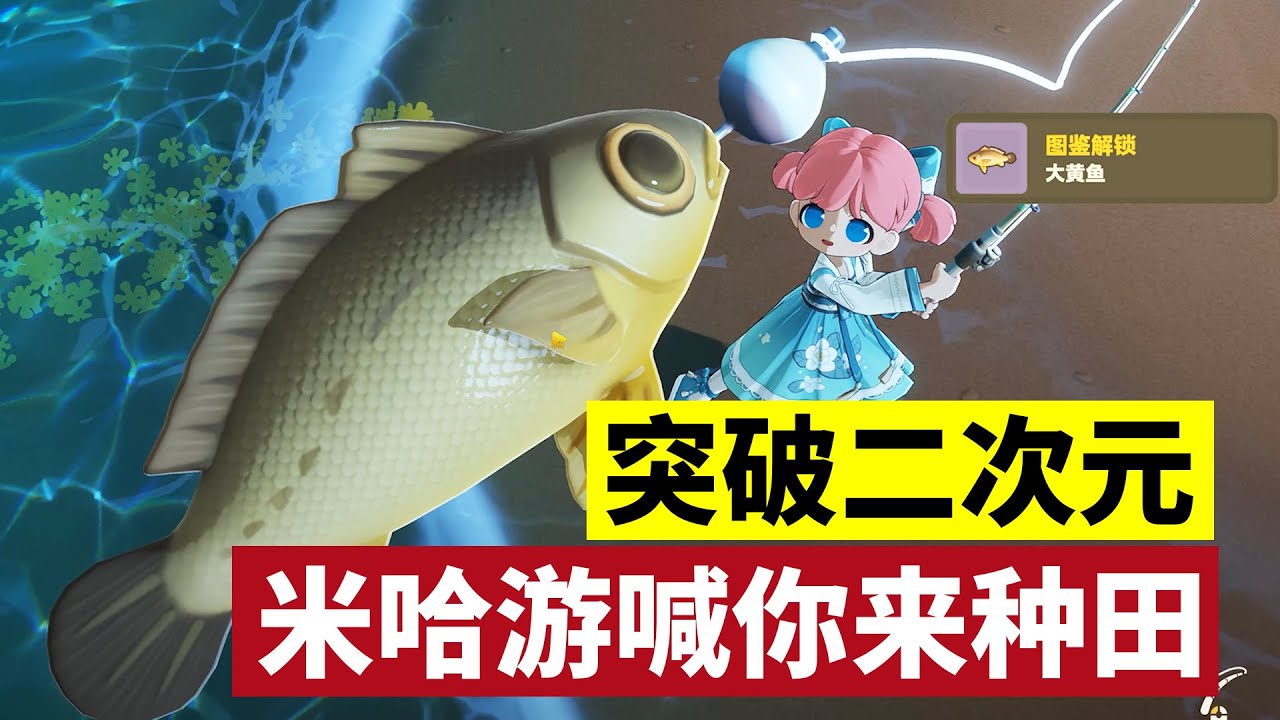
Petit Planet is an expansive, immersive simulation that tasks players with cultivating a thriving homestead while uncovering the secrets of a vibrant world. Because the game’s deep customization and reactive environment can lead to "losing track of time," players often find themselves overwhelmed by the sheer scale of tasks. To progress efficiently, you must move beyond aimless wandering and adopt a structured approach to your daily loops. By prioritizing specific rhythmic cycles for farming, exploration, and social interaction, you can ensure steady growth and avoid the common pitfall of session burnout.
Establishing a High-Efficiency Farming Routine
In Petit Planet, your farm is the engine that drives your progression. However, if you treat farming as a reactive task—only planting when you feel like it—you will quickly find yourself resource-starved. The most successful players treat their farm as a scheduled operation.
- The Morning Sweep: Always prioritize your primary task list immediately upon logging in. This clears your "memos" and ensures you secure the foundational materials required for the day's crafting projects.
- Batch Planting: Do not plant crops sporadically. Group your seeds by their specific growth cycles. By clustering crops that mature at the same rate, you can harvest and replant in single, efficient blocks rather than running back and forth across your fields throughout the day.
- Tool Maintenance: Make it a habit to check your tool durability at the start of every session. There is nothing more frustrating than breaking a primary harvesting tool in the middle of a remote exploration run. Keeping your inventory stocked with repair materials is a core component of "pro" play.
Leveraging Reactive Environment Mechanics
The environment in Petit Planet is not just a static backdrop; it is a physics-based puzzle system. Many players fail to realize that the world reacts dynamically to the player's presence and the current environmental state.
To accelerate your progress, look for "environmental triggers." Certain resources behave differently under various weather conditions or times of day. For example, specific rare flora may only bloom during twilight or after a cycle of rain. When you encounter new interactive elements, take a moment to experiment with how they respond to your tools. If an object feels "stuck" or requires a specific interaction, it is likely a puzzle that yields higher-tier rewards than standard gathering. Documenting these findings in an internal log or notepad will allow you to predict resource spawns, effectively turning the world into a map of high-value targets.
Balancing Base Development and Global Exploration
A common progression wall in Petit Planet occurs when players over-index on base building. While the creative freedom to design your homestead is a primary draw, you cannot build a high-tech base using only beginner-tier materials.
We recommend a 60/40 Split Strategy during the early-to-mid game:
- 60% Base Development: Focus on refining your storage, optimizing your crafting station layout, and processing materials.
- 40% Targeted Exploration: Use this time to scout for new biomes and rare blueprints.
If you spend all your time at your home base, you will eventually lack the unique, distant-biome materials required for advanced upgrades. Treat your base as a central hub—a place to refine and store—and treat the rest of the planet as your procurement zone. If you hit a wall in your building projects, it is a clear signal that it is time to pack your bags and explore a new region for fresh components.
Managing Session Fatigue and Pacing
Because Petit Planet is designed to be highly immersive, it is easy to fall into "liver-breaking" sessions—the colloquial term for gaming until exhaustion. To keep the experience rewarding, you must manage your pacing by rotating between high-intensity and low-intensity tasks.
- High-Intensity Tasks: Reserve these for when you have a long, uninterrupted block of time. This includes terraforming projects, complex base expansion, and long-distance expeditions into unknown biomes. These tasks require focus and planning.
- Low-Intensity Tasks: When you feel your focus waning, switch to "maintenance mode." This includes decorating, organizing your storage chests, chatting with NPCs, or tending to simple crops.
If you find yourself forcing a task, stop. The game’s design rewards creativity and consistency, not just raw hours spent in-game. By stepping back and engaging with the aesthetic or social layers of the game, you reset your creative vision and prevent burnout.
Maximizing NPC and Social Interactions
The NPCs in Petit Planet are not mere window dressing; they are vital conduits for progression. Their availability and requests often change based on the game’s internal clock and the state of your planet.
- The Social Safety Net: Building relationships with NPCs provides you with a passive stream of rewards. Often, these characters will offer unique decorations, rare seeds, or specialized tools that are otherwise locked behind long, grindy tech trees.
- Fulfill Requests: Always check in with NPCs when you are in town. Their requests usually align with resources you are already gathering. By integrating these social touchpoints into your daily route, you create a sustainable flow of progression that acts as a backup when your primary farming goals are temporarily halted.
Expert Strategies for Long-Term Success
To fully master Petit Planet, you must view your gameplay as a series of interconnected loops. Your farm feeds your crafting, your crafting feeds your exploration, and your exploration feeds your social and base development.
- The Hub-and-Spoke Method: Keep your most-used crafting stations together. If you find yourself walking more than five seconds between your storage and your bench, reorganize. Efficiency in movement is efficiency in progress.
- Weather Tracking: Pay attention to the weather forecast. If a storm is coming, plan to spend that time in your base performing indoor tasks (crafting, decorating) rather than wasting time wandering in dangerous, low-visibility conditions.
- Inventory Management: Never leave home without an empty inventory slot. The best items in Petit Planet are often found when you aren't looking for them. Maintaining a clean inventory allows you to seize opportunities as they arise during your travels.
By treating Petit Planet as a rhythmic, structured loop rather than a random sandbox, you transform the experience from an overwhelming chore into a deeply satisfying, productive journey. Focus on the routine, respect the environment, and always keep your eyes on the next milestone.

Free Petit Planet Codes
Current active codes and how to redeem them.

Michael Smith
Michael covers live-service games, events, reward systems, and efficient daily routines, turning frequent updates into clear actions for players.
COMMUNITY
Player Comments
68 players commented on this guide.
Nice guide. I am checking the other Petit Planet articles next.
I tried this today and it worked better than my old setup.
Good guide for Petit Planet players. The updates part was useful.
The explanation is clear, especially for beginners.