
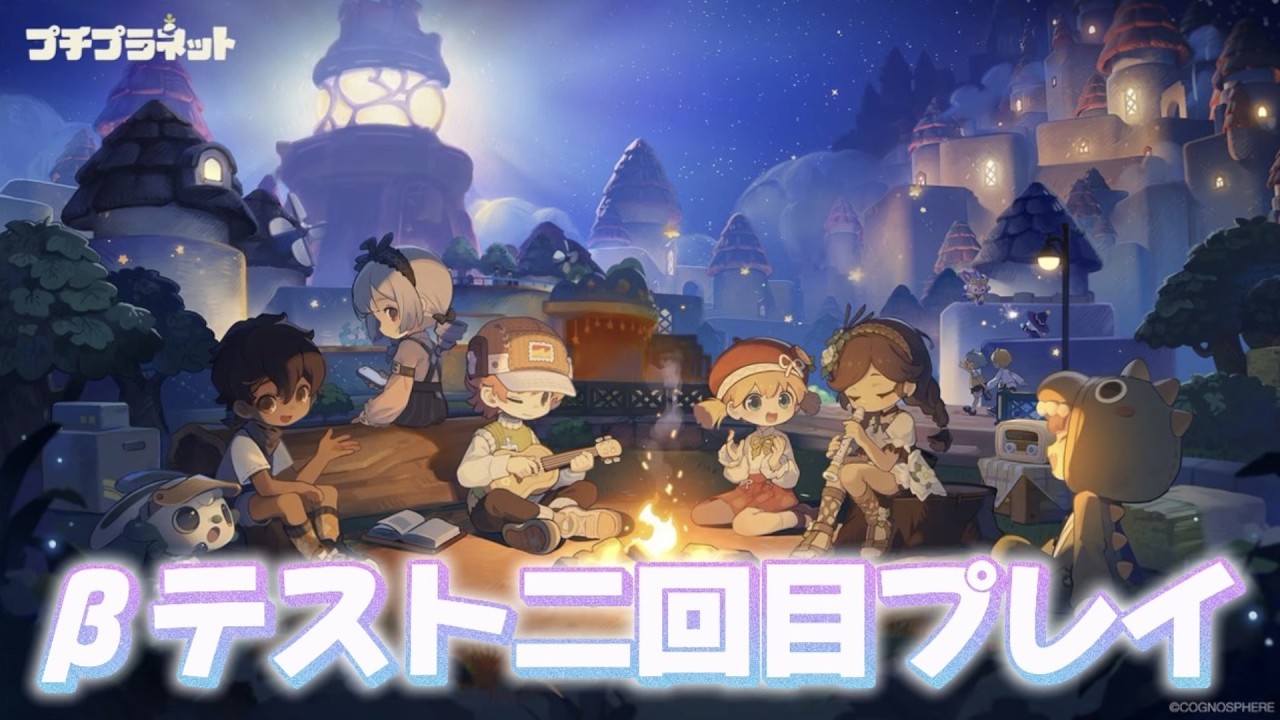
To maximize your efficiency in Petit Planet, you must treat the game as a series of interconnected systems rather than a series of disconnected tasks. The most efficient way to progress is to synchronize your environmental traversal with your objective list, ensuring that every movement serves both exploration and resource acquisition. By focusing on "utility-first" NPC engagements and clearing terrain in clusters, you can bypass early-game bottlenecks that often stall newcomers.
Understanding the Core Interaction Loop
Petit Planet is built on a fundamental feedback loop: identify a node, interact to gather or clear, and utilize the resulting assets to unlock new terrain. Beginners often make the mistake of wandering aimlessly, which wastes valuable stamina and time. Instead, visualize your immediate surroundings as a grid.
When you enter a new zone:
- Scan for interactables: Use the visual cues (glowing highlights) to identify harvestable nodes.
- Cluster your actions: Never move to a new area without clearing the resources in your current line of sight. This "clear-cut" method minimizes backtracking.
- Prioritize high-density areas: If you have a choice between two zones, move to the one with the highest concentration of interactive objects to maximize the yield per unit of travel time.
Strategic NPC Engagement for Resource Optimization
NPCs in Petit Planet are not merely for world-building; they are your primary source for rare progression materials and tool upgrades. To optimize your social interactions, categorize your NPCs based on the value of their rewards.
- Utility NPCs: These characters provide tools that simplify navigation, such as climbing aids or terrain-clearing items. Always prioritize their quest chains first.
- Resource NPCs: These characters trade raw materials. Use them to dump excess low-tier resources to gain higher-tier items needed for specific progression gates.
- Narrative NPCs: Save these for when you have completed your daily mechanical objectives, as they are essential for lore but offer fewer immediate advantages to your progression speed.
Always check the "Request" tab in your menu before engaging. By fulfilling multiple requests that utilize similar resources simultaneously, you increase your efficiency and reduce the number of trips you need to make to the trade hubs.
Mastering Terrain Traversal and Hazard Management
Terrain in Petit Planet is an environmental puzzle. Instead of trying to jump or move over complex obstacles, look for the intended path. The game design often provides interactive objects—like retractable bridges, pushable blocks, or lift mechanisms—that serve as the "correct" way to navigate.
If you find yourself stuck, look for:
- Verticality cues: Can an object be moved to create a ledge?
- Environmental hazards: Look for elements that can be neutralized (e.g., clearing debris from a path).
- Pathing shortcuts: Often, the environment contains secret paths that bypass hazardous zones entirely. If you lose health or stamina, you are likely taking the "hard" way.
Treating hazards as puzzles rather than obstacles will save you from excessive resource consumption and keep your character mobile throughout the exploration phase.
The Memo System: Your Progression Roadmap
The memo system is the most overlooked tool in Petit Planet. It acts as a dynamic quest log that highlights not just what to do, but why you are doing it. Treat your memo as a priority queue. If you are struggling with a specific objective, check the memo for hidden prerequisites.
Pro-Tip for Beta Testing: The game often hides "unlock conditions" for high-tier tools within your memo. If a specific area seems inaccessible, it is likely because you have missed a sub-task in your memo that triggers the necessary environmental change. Always cross-reference your current location with the requirements listed in the memo to ensure you are not wasting time on tasks that don't lead to immediate advancement.
Balancing Creative Expression and Mechanical Gains
Petit Planet is a creative game at heart, but it is easy to fall into the trap of spending hours on aesthetic world-building before you have the tools to do it efficiently. To avoid this, we recommend a "split-session" approach:
- Progression Phase: Spend your first hour of gameplay strictly following the memo and clearing terrain. This secures the tools, resources, and map access needed for complex designs.
- Creative Phase: Once you have unlocked essential traversal tools, dedicate the remainder of your session to building and customizing.
By front-loading your progression, you ensure that you aren't trying to build a masterpiece while lacking the basic materials or mobility options that become available later in the game. This approach prevents burnout and ensures that your creative output actually reflects the progress you have made.
Common Mistakes to Avoid
- Hoarding resources: Don't hold onto materials for "a rainy day." In the beta, resources are meant to be spent to unlock the next tier of gameplay. If you have it, use it to progress.
- Ignoring the map prompts: If an icon appears on your map, it is usually tied to a shortcut or a resource cache. Explore these markers early to save travel time later.
- Forcing movement: If your character is struggling to reach a spot, stop. The game usually provides a specific mechanic or item for that task; forcing it leads to wasted time and lost health.
Conclusion: Refining Your Playstyle
Efficiency in Petit Planet is about consistency. By treating the environment as a resource, NPCs as partners, and the memo as your primary objective tracker, you can significantly reduce the time spent on repetitive tasks. Use the beta phase to experiment with different traversal routes and record which NPC requests provide the most consistent returns. Mastering these core mechanics early will provide a significant advantage as you dive deeper into the world of Petit Planet.

Free Petit Planet Codes
Current active codes and how to redeem them.

Emily Johnson
Emily writes practical mobile strategy guides with a focus on resource planning, base progression, and the early decisions that shape a long-term account.
COMMUNITY
Player Comments
103 players commented on this guide.
I wish I had read this before upgrading the wrong thing.
The explanation is clear, especially for beginners.
This helped me understand strategy much better.
This guide answered the exact question I had.