
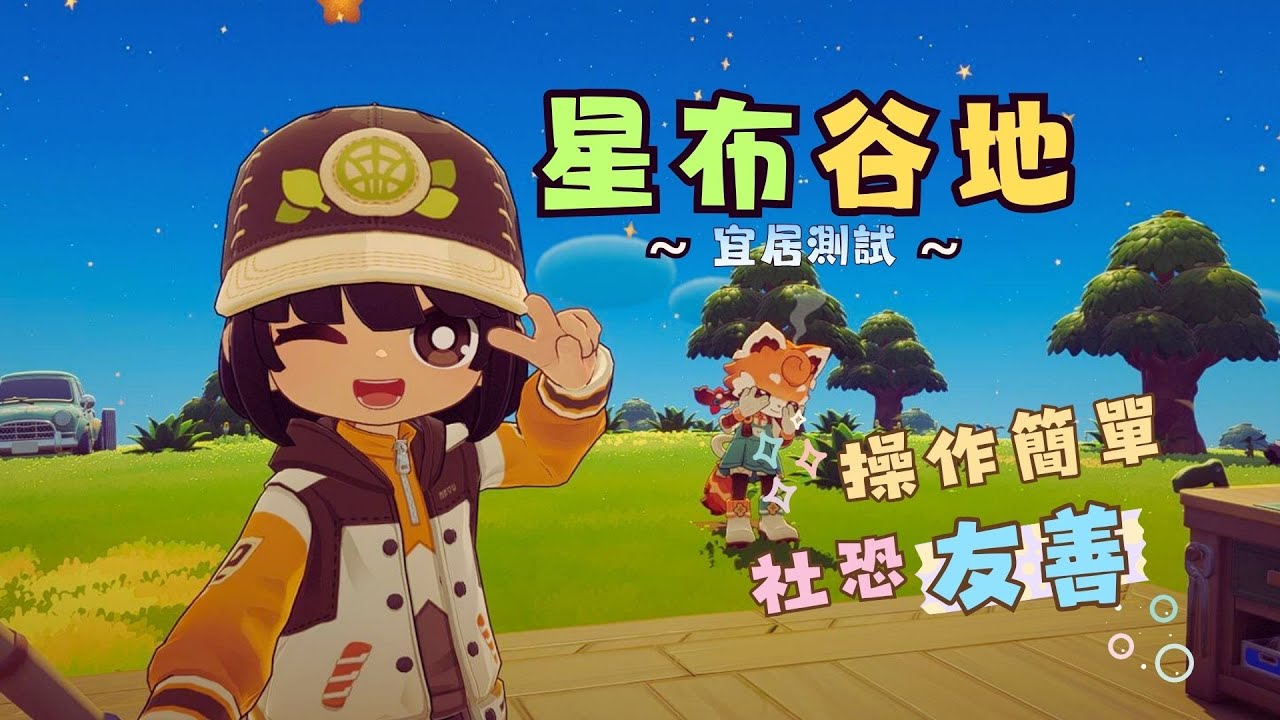
Petit Planet stands out in the simulation genre as a sanctuary for players who value tranquility over the grind. If you are looking to enjoy the game’s breathtaking vistas and rewarding gameplay loops without the anxiety of high-pressure social obligations or complex, bloated mechanics, you are in the right place. This guide breaks down how to navigate the world of Petit Planet efficiently while maintaining a peaceful, restorative playstyle.
Understanding the "Low-Burden" Philosophy
The core design of Petit Planet is centered on the concept of "burden reduction." Unlike many simulation titles that demand constant engagement through daily checklists, FOMO (fear of missing out) events, and competitive ladders, this game respects your time.
The game’s internal logic prioritizes meaningful interaction over volume. You are not penalized for taking a break, nor are you forced to engage in high-octane gameplay to keep up with a server-wide meta. To succeed here, you must shift your mindset: treat your planet not as a job to be managed, but as a space to be curated. By focusing on the "low-burden" daily loops, you can accumulate resources at a steady pace that feels rewarding rather than exhausting.
Navigating the Minimalist User Interface
The UI in Petit Planet is one of its strongest features for introverted or low-stress players. It is intentionally clean, stripping away the visual clutter that plagues typical life-sims.
- Task Prioritization: When you open your task menu, ignore the temptation to clear everything at once. Focus on the primary interactive nodes—these are highlighted with subtle visual cues rather than aggressive flashing icons.
- Input Efficiency: Most core activities in Petit Planet are designed to be completed in a few clicks. If you find yourself spending more than a few minutes navigating menus, you are likely over-optimizing. The game is designed to be played in short, focused bursts.
- The "Flow" State: Use the minimalist HUD to your advantage. Because the game doesn't clutter your screen with persistent status bars or chat windows, you can achieve a "flow state" during resource gathering. If an activity feels like a chore, move on—there is no single "mandatory" path to progression.
Mastering Coastal Exploration Cycles
One of the most praised aspects of Petit Planet is its coastal exploration. This is your primary source of relaxation and, incidentally, the most effective way to gather crafting materials without combat stress.
Strategies for Effective Beachcombing
- The Shoreline Loop: Instead of rushing to find rare spawns, walk the perimeter of the coast in a consistent direction. The game’s spawn rate for sea-based resources is tuned to encourage a leisurely pace.
- Visual Cues: Pay attention to the water’s edge. The game uses soft, ambient audio cues (like gentle splashes or chiming sounds) to indicate collectible items. If you are wearing headphones, you can rely on these cues rather than staring at the screen, which helps reduce eye strain.
- Non-Competitive Farming: Remember that the shoreline is a non-competitive zone. You do not need to fight other players for nodes. Every resource you see is yours for the taking. Treat this as a meditative exercise: walk, listen to the environmental sound design, and collect.
Maintaining Social Autonomy
For many, the "social" aspect of gaming is the primary source of burnout. Petit Planet intentionally makes social interaction optional. You can reach the endgame, build a magnificent planet, and unlock all major features without ever needing to coordinate with a team or navigate complex social dynamics.
- The "Social-Light" Approach: If you enjoy the presence of others but don't want to chat, simply exist in the shared spaces. The game’s design allows you to observe others' creative work without the pressure of forced communication.
- Curating Your Space: Your private planet is your sovereign territory. You can set permissions to ensure that your creative process remains undisturbed. Use the game’s "Social Autonomy" settings to toggle off incoming messages or visitation requests if you require complete isolation for a session.
- Community Appreciation: When you do choose to see what others have built, do so as an observer. Visiting other players' planets can be a great source of inspiration, and because it is entirely voluntary, it remains a positive experience rather than a social chore.
Phased Customization: Preventing Creative Paralysis
"Creative paralysis"—the feeling of being overwhelmed by the sheer scale of potential customization—is a common trap in planet-building games. Petit Planet offers intuitive tools, but the sheer freedom can still be daunting.
- Start Small: Don't try to terraform your entire planet on day one. Focus on a single "anchor" zone—perhaps a small garden or a cozy coastal cabin.
- Functional Aesthetics: Prioritize placing items that serve a dual purpose (e.g., storage units that look like decorations). This keeps your workspace functional while you build up your aesthetic collection.
- Iterative Design: Treat your planet as a living project. It is perfectly fine to leave large portions of your map empty. As you gather resources from your coastal loops, you will naturally acquire new furniture and decor items, allowing your planet to evolve organically over time.
Why This Strategy Works
This approach works because it aligns with the core mechanical intent of Petit Planet. The developers have created a game that rewards consistency over intensity. By choosing a low-stress path, you are not missing out on gameplay—you are simply participating in it in the way it was intended to be experienced.
- Avoiding Burnout: By avoiding the "completionist" trap, you keep the game fresh and exciting for longer sessions.
- Resource Management: You will find that even with a relaxed playstyle, you accumulate enough currency and materials to keep your progression moving forward.
- Mental Well-being: The visual beauty of the game is its greatest reward. When you remove the pressure to "win," you are free to appreciate the art, the music, and the atmosphere.
Petit Planet is designed to be a place of refuge. By focusing on your own pace, utilizing the minimalist UI, and treating exploration as a meditative cycle, you can transform the game into a truly relaxing daily ritual. Remember: there is no wrong way to play, provided you are enjoying the quiet beauty of your own private world.

Free Petit Planet Codes
Current active codes and how to redeem them.

Sarah Williams
Sarah specializes in RPG and collection games, explaining team building, character growth, and beginner-friendly ways to avoid expensive early mistakes.
COMMUNITY
Player Comments
86 players commented on this guide.
I wish I had read this before upgrading the wrong thing.
This saved me time in the early game.
This guide answered the exact question I had.
Can you add more details about resources in a future update?