
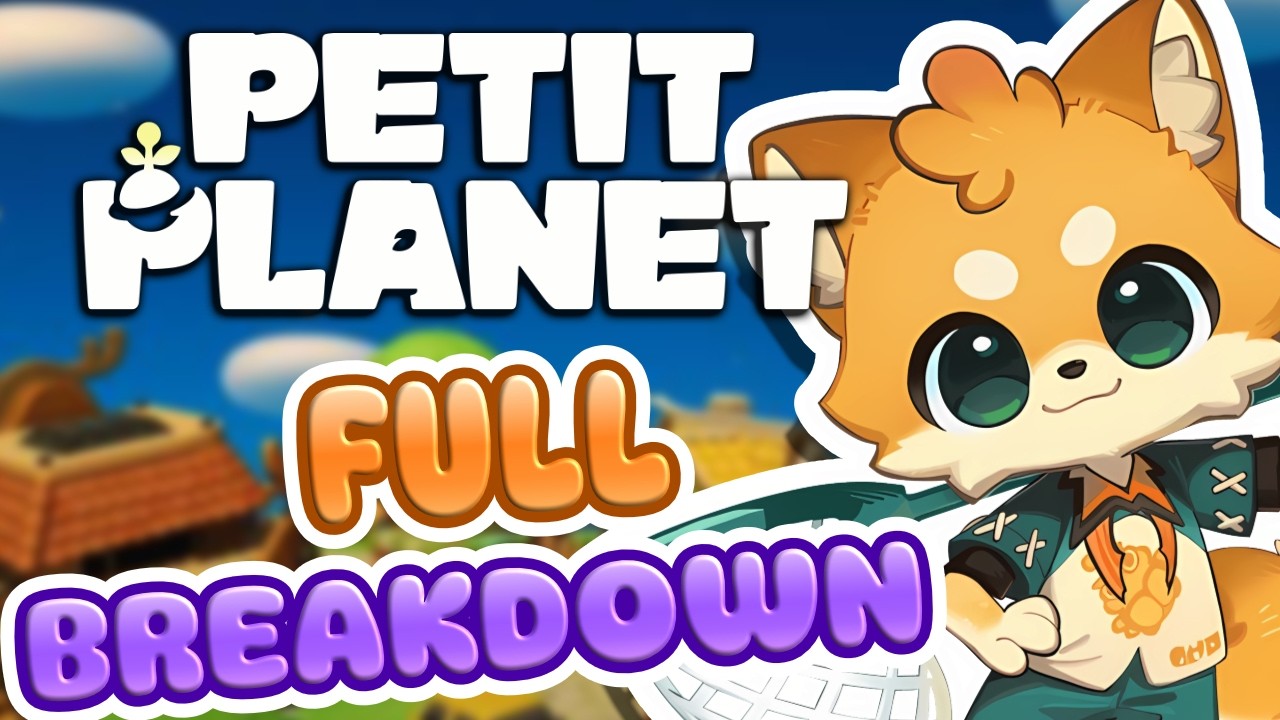
While Petit Planet draws heavy inspiration from life-simulation titles like Animal Crossing, HoYoverse's upcoming title introduces key structural changes to the genre. Players transitioning from traditional console life-simulators will encounter higher visual fidelity, live-service content pacing, expanded social connectivity, and more dynamic NPC interactions.
Understanding these structural shifts helps players adjust their daily routines, hardware choices, and progression goals before diving into the game.
Feature Overview
| Feature Category | Animal Crossing | Petit Planet |
|---|---|---|
| Release Model | Static package with periodic free/paid DLC | Live-service model with continuous updates |
| Visual Style | Stylized, lightweight Nintendo aesthetic | High-fidelity 3D assets and advanced lighting |
| Content Pacing | System-clock real-time progression | Event-driven live updates and daily loops |
| NPC Interactions | Fixed dialogue trees and seasonal triggers | Dynamic AI systems with deeper progression |
| Multiplayer Scope | Local play and small-group island visits | Global connectivity and community hubs |
---
Live-Service Updates vs. Static Console Pacing
The most significant operational difference lies in content delivery. Traditional titles in this genre rely on static game releases where progression follows the real-world console clock. Content updates are generally spaced out over longer periods or tied strictly to built-in calendar events.
Petit Planet uses a live-service architecture. This model affects your gameplay loop in several key ways:
- Event-Driven Priorities: Progression revolves around limited-time seasonal events and rotating challenges rather than solely waiting on real-time clock shifts.
- Ongoing Content Additions: Furniture sets, cosmetic items, and expansion areas arrive regularly through version updates.
- Daily Engagement: To acquire rare decor and keep up with economic goals, players should establish a consistent daily task routine to maximize event rewards.
---
High-Fidelity Visuals and Hardware Demands
Rather than adopting a simple or low-poly aesthetic, Petit Planet relies on modern graphical rendering, detailed environment texturing, and expressive character models.
This design choice shifts how players interact with the environment:
- Hardware Requirements: Higher visual fidelity requires more processing power. Players using mobile devices or entry-level hardware may need to adjust graphics settings to ensure stable frame rates during traversal.
- Detailed Customization: High-detail assets make decorative placement and world layout a central focus, requiring higher crafting investments to unlock premium cosmetic items.
---
Dynamic AI and Expanded NPC Relationships
Standard life-simulators depend on repeated dialogue loops and straightforward gift-giving mechanics to raise friendship levels. Petit Planet updates this framework by utilizing dynamic AI systems for town residents.
- Reactive Behaviors: NPCs respond more directly to ongoing player actions and structural choices within the town.
- Relationship Progression: Investing time in character relationships unlocks exclusive requests, town events, and specific cosmetic recipes. Focusing on resident bonds early provides a steady stream of unique decor blueprints.
---
Global Connectivity and Economic Loops
Multiplayer in traditional life-sims often limits session sizes to small friend groups visiting an island code. Petit Planet builds its network infrastructure around broader social integration, encouraging players to showcase their spaces to a global player base.
- Community Hubs: Social features prioritize open visits, decorative showcases, and collaborative projects over simple item trading.
- Resource Balance: Because high-tier upgrades and decorative options are tied to expanding live-service catalogues, resource loops involve more specialized crafting recipes. Players should balance personal town design with active resource gathering to keep pace with higher upgrade costs.

Free Petit Planet Codes
Current active codes and how to redeem them.

Michael Smith
Michael covers live-service games, events, reward systems, and efficient daily routines, turning frequent updates into clear actions for players.
COMMUNITY
Player Comments
29 players commented on this guide.
This guide answered the exact question I had.
The tips are practical and easy to follow.
I wish I had read this before upgrading the wrong thing.
This saved me time in the early game.