
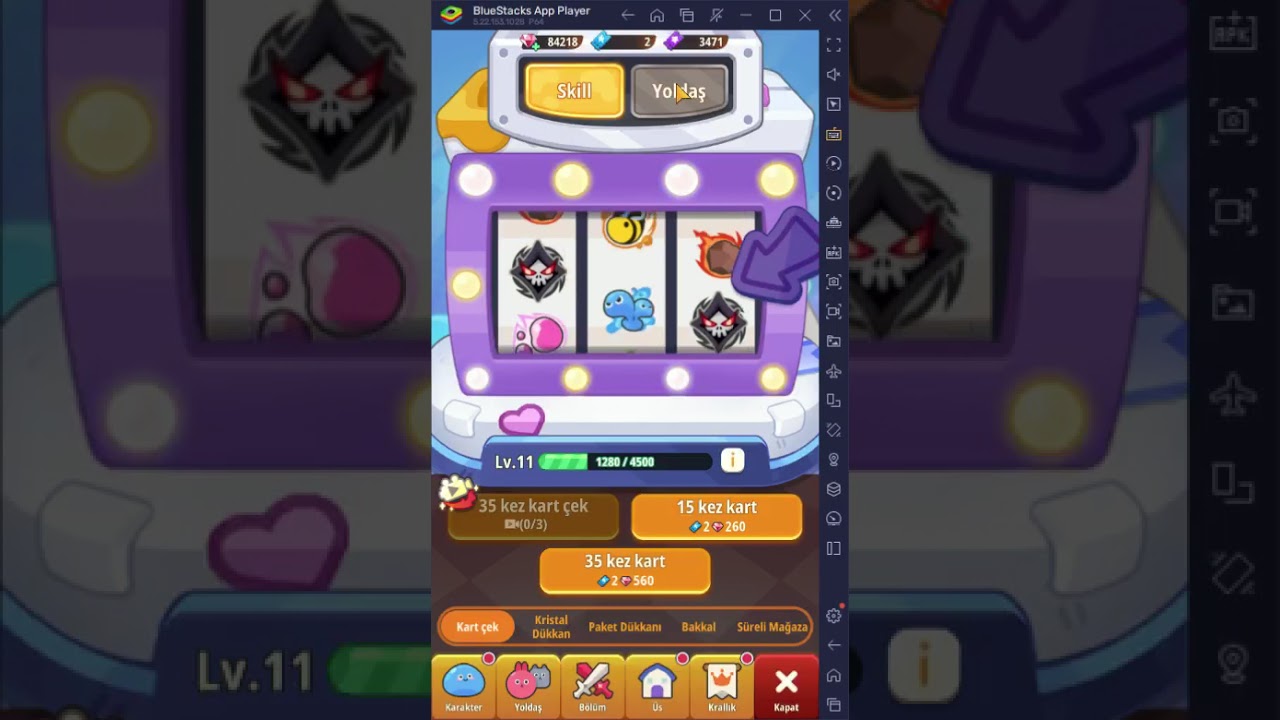
In Pew Pew Slime - Idle RPG, progression is not determined by how fast you pull, but by how strategically you deploy your resources. Many players fall into the trap of spending Ability and Companion tickets the moment they appear in their inventory. However, experienced players know that this is the fastest way to stall your growth. To reach the late-game stages and dominate the leaderboards, you must treat your tickets as a high-value currency that is only spent during specific "Rate-Up" event windows.
This guide outlines the professional approach to resource management, ensuring that every ticket spent translates into the highest possible statistical return for your slime.
The Mathematical Advantage of Hoarding
The core mechanic of Pew Pew Slime - Idle RPG is the accumulation of power through fusion and rarity upgrades. When you summon outside of an event, you are relying solely on base drop rates. In contrast, rate-up events provide a significant statistical boost to the probability of obtaining top-tier abilities and companions.
By hoarding, you aren't just saving for a rainy day; you are mathematically increasing the "Expected Value" (EV) of every ticket in your possession. If you pull 100 tickets at base rates, you might walk away with a mediocre haul. If you pull those same 100 tickets during a themed rate-up, you are significantly more likely to secure the legendary-tier items required to overcome the game’s difficulty spikes. Patience is the ultimate meta-game in this title.
Understanding the Event Cycle
Pew Pew Slime - Idle RPG rotates through various summoning events. Recognizing these patterns is essential for any serious player:
- Themed Ability Events: These offer increased drop rates for specific elemental abilities. If your current build relies on Fire or Ice synergy, wait specifically for these banners.
- Companion Synergy Events: These focus on boosting the acquisition rate of companions that provide passive buffs. These are often the most important events for survival-focused players.
- Milestone Rewards: Many events feature "pity" or "milestone" systems where spending a specific amount of tickets rewards you with guaranteed high-tier shards or currency. Spending tickets piecemeal prevents you from hitting these thresholds.
Why You Should Never "Single Pull"
The temptation to perform a single summon whenever you get 100 or 200 gems is the most common pitfall for new players. Because the game’s progression is exponential, you need "power spikes." A single pull provides, at best, a marginal increase. A mass-summon of 200+ tickets during an event provides a foundational shift in your combat capabilities, allowing you to clear multiple stages at once.
Prioritizing Ability vs. Companion Tickets
While both are vital, they serve different functions in your slime’s evolution. Choosing which to prioritize depends on your current "bottleneck."
When to Prioritize Ability Tickets
If your primary issue is "Time to Kill" (TTK)—meaning enemies reach your slime before you can clear the wave—you need to prioritize your Ability Tickets. Abilities represent your active damage output. During an Ability Rate-Up event, focus on securing high-tier elemental abilities that match your current fusion path. Upgrading your core damage-dealing ability to a higher rarity is the single most effective way to push past stagnant boss stages.
When to Prioritize Companion Tickets
If your slime is being overwhelmed by projectiles or dying too quickly, your Companion setup is the problem. Companions provide passive utility, shielding, and crowd control. If you have enough damage but lack the survivability to finish the stage, shift your focus to Companion banners. These units often provide the "missing link" in your build, such as auto-dodging or secondary health pools.
Establishing Your "Safety Threshold"
The most effective way to manage your inventory is by establishing a "Safety Threshold"—a minimum number of tickets you refuse to spend under any circumstances.
- Define your goal: Decide on a target milestone (e.g., 300 tickets).
- The "Never Drop" rule: If an event appears and you are below your threshold, calculate how many tickets you can spend while still keeping a "reserve" for the next major update.
- Surprise events: Developers occasionally drop surprise events that offer high-value rewards. If you have a reserve, you can participate immediately without needing to grind extra tickets, giving you a competitive edge over players who spent everything on the previous banner.
Mistakes to Avoid
- Impulse Spending: Never spend tickets because you are bored or frustrated by a difficult stage. Frustration leads to poor decision-making.
- Ignoring Elemental Synergy: Don't just pull for the highest rarity item if it doesn't fit your elemental build. A lower-tier ability that synergizes with your current fusion path is often better than a high-tier ability that creates a disjointed build.
- Failing to Check Event Rotations: Always tap the "Event Details" tab before spending. Verify if the current banner actually provides a drop-rate bonus for the specific items you need.
The Strategy for F2P vs. Low-Spenders
If you are playing for free or only purchasing small monthly packs, your ticket management is even more critical. You cannot afford to waste a single ticket on non-event banners. For F2P players, the strategy is to aim for "all-in" events. This means saving for several weeks to ensure you have enough tickets to hit the highest tier of event rewards.
By focusing your resources into one major event per month, you will consistently out-scale players who spend their tickets sporadically. This creates a rhythmic, satisfying progression loop that ensures you are always ready for the next challenge in Pew Pew Slime - Idle RPG.
Remember: In an idle RPG, your greatest strength is your ability to wait. Master your ticket economy, and your slime will become an unstoppable force.

Free Pew Pew Slime - Idle RPG Codes
Current active codes and how to redeem them.

Sarah Williams
Sarah specializes in RPG and collection games, explaining team building, character growth, and beginner-friendly ways to avoid expensive early mistakes.
COMMUNITY
Player Comments
130 players commented on this guide.
The explanation is clear, especially for beginners.
This saved me time in the early game.
I wish I had read this before upgrading the wrong thing.
Good guide for Pew Pew Slime - Idle RPG players. The updates part was useful.