
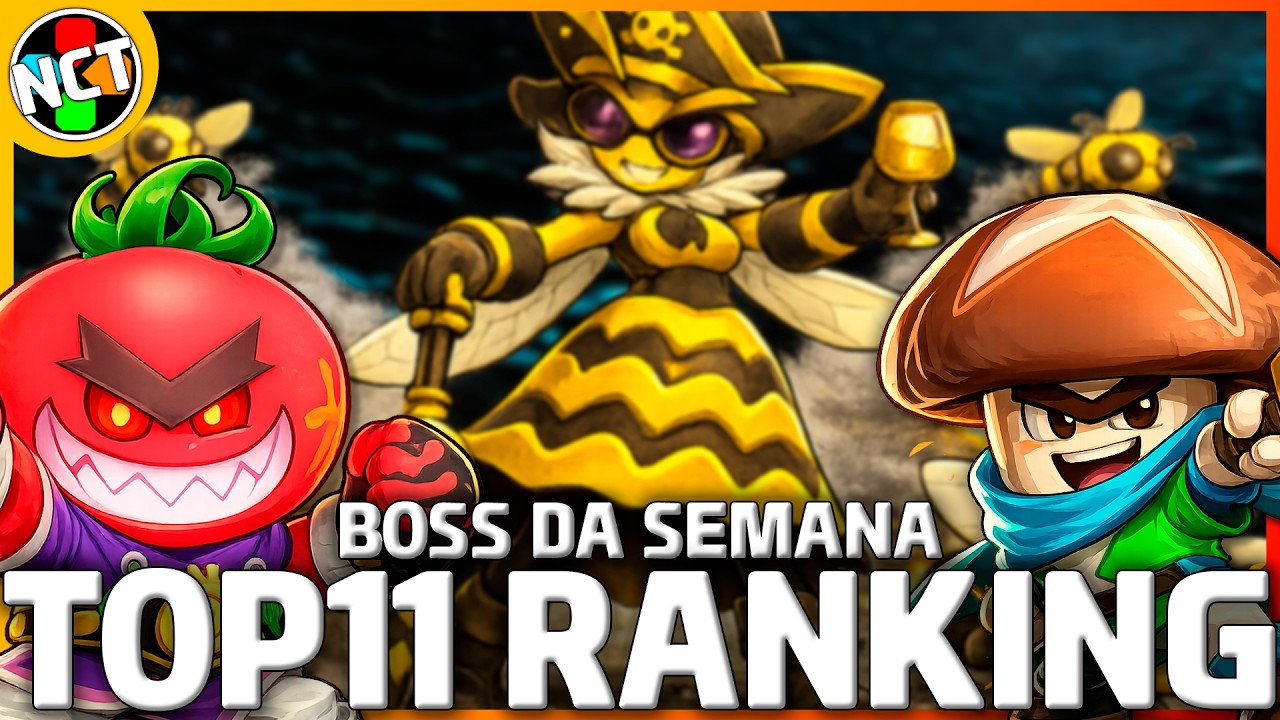
In Plants on Fire, the Vespa Rainha boss stands out as a definitive "gatekeeper" encounter that tests your ability to manage both macro-strategy and micro-positioning. Unlike bosses that rely on brute-force health pools, the Vespa Rainha utilizes rapid minion spawning to clutter your board and overwhelm your defensive lanes. Successfully overcoming this encounter requires a shift away from single-target optimization toward a balanced, area-of-effect (AoE) defensive posture.
By mastering the rhythm of your merges and prioritizing board state over high-rarity vanity units, you can neutralize the Vespa Rainha’s swarm tactics and secure your victory.
Understanding the Vespa Rainha Boss Mechanics
The Vespa Rainha is designed to punish players who over-specialize in single-target damage. The core mechanic of this boss is its "Swarm Infestation" phase, where it periodically floods the lanes with high-speed, low-health minions. If your units are occupied attacking the boss, these minions will bypass your defenses and drain your home base health.
The primary threat is not the boss’s attack damage, but its ability to induce "grid lock." As minions crowd your lanes, you are forced to spend resources and merge actions reactively. Understanding that the Vespa Rainha is a mid-to-late game endurance test is vital; you aren't trying to burst it down in seconds, but rather survive its sustained pressure until its health pool is depleted. You must view the board as a living entity that requires constant pruning—clearing minions is just as important as damaging the boss.
Prioritizing High-Damage Unit Synergy
In Plants on Fire, the key to defeating the Vespa Rainha lies in your unit composition. Because the boss frequently forces you to deal with multiple targets, you should pivot your deck toward units that provide AoE damage or chain-lighting effects.
- The AoE Requirement: Units that hit multiple targets are non-negotiable. If you find yourself losing to the swarm, swap your single-target strikers for units that can clear lanes simultaneously.
- Centralized Placement: Place your high-firepower AoE units in the center of the board. This maximizes their firing arc and ensures they cover the maximum number of incoming lanes, effectively creating a "kill zone" that prevents minions from reaching your base.
- Upgrade Strategy: Resist the urge to chase legendary units if they don't provide crowd control. A well-leveled Epic unit with AoE capabilities will almost always outperform a low-level Legendary unit that only hits one target at a time. Consistency in damage spread is the secret to this encounter.
Mastering the Merge Rhythm
Many players fail the Vespa Rainha encounter because they merge units too aggressively. In Plants on Fire, the merge action is a tool for both power and board space management.
- The Reserve Strategy: Do not merge every unit as soon as it appears. Keep a few low-level units on the outer edges of your grid. This acts as a "buffer" for when the boss spawns a massive wave.
- Phase-Based Merging: Wait for the boss to enter its spawning phase before performing significant merges. By timing your fusions to coincide with the appearance of the swarm, you clear up board space exactly when you need to drop new, high-impact units.
- Consolidation: As the fight nears its conclusion, use your remaining merges to consolidate your power. Move your strongest units to the "kill zone" center and sacrifice lower-utility units to keep your grid open for rapid deployment.
Managing Resource Allocation During Combat
Resource management in Plants on Fire is often the difference between a close win and a sudden loss. During the Vespa Rainha fight, you should maintain a "currency buffer." Never spend your entire gold or resource pool on summons at the start of the match.
Keeping a reserve of 20–30% of your total economy allows you to react to unexpected surges in boss behavior. If the Vespa Rainha triggers a particularly difficult lane push, that reserve currency can be the difference between summoning a critical unit or watching your base collapse. Use your resources to stabilize your board first, and only spend the remainder on aggressive upgrades once you feel the lane pressure is under control.
Avoiding Common Tactical Mistakes
Even experienced players fall into traps when facing the Vespa Rainha. Avoiding these common errors will significantly improve your win rate:
- The "Legendary Trap": Do not over-invest in a single, high-rarity unit that lacks AoE. The Vespa Rainha will simply ignore it and swarm you with minions.
- Static Positioning: Do not commit to a fixed formation. If the boss changes lane intensity, be prepared to merge and reposition your units. A modular board is a winning board.
- Ignoring Board Clutter: If your board is full of low-level units that aren't contributing to lane clearing, you have already lost. It is often better to merge these units into a higher-tier unit, even if the result is suboptimal, just to clear the space for more effective units.
Adapting to Meta Changes and Unit Growth
The meta in Plants on Fire is constantly shifting as developers introduce new unit buffs and boss adjustments. Always check the latest redeemable codes to boost your unit growth and ensure your primary damage dealers are at their maximum level potential.
If a recent update has nerfed your favorite AoE unit, don't hesitate to experiment with secondary options. The Vespa Rainha remains a constant, but your tools for defeating it should be flexible. By keeping your units upgraded and your strategy focused on clearing the swarm rather than just chasing the boss’s health bar, you will find that the Vespa Rainha becomes a manageable—and rewarding—part of your daily grind in Plants on Fire.
Remember: control the board, manage your rhythm, and the victory is yours.

Free Plants on Fire Codes
Current active codes and how to redeem them.

Michael Smith
Michael covers live-service games, events, reward systems, and efficient daily routines, turning frequent updates into clear actions for players.
COMMUNITY
Player Comments
145 players commented on this guide.
This guide answered the exact question I had.
Can you add more details about strategy in a future update?
Good guide for Plants on Fire players. The strategy part was useful.
I tried this today and it worked better than my old setup.