
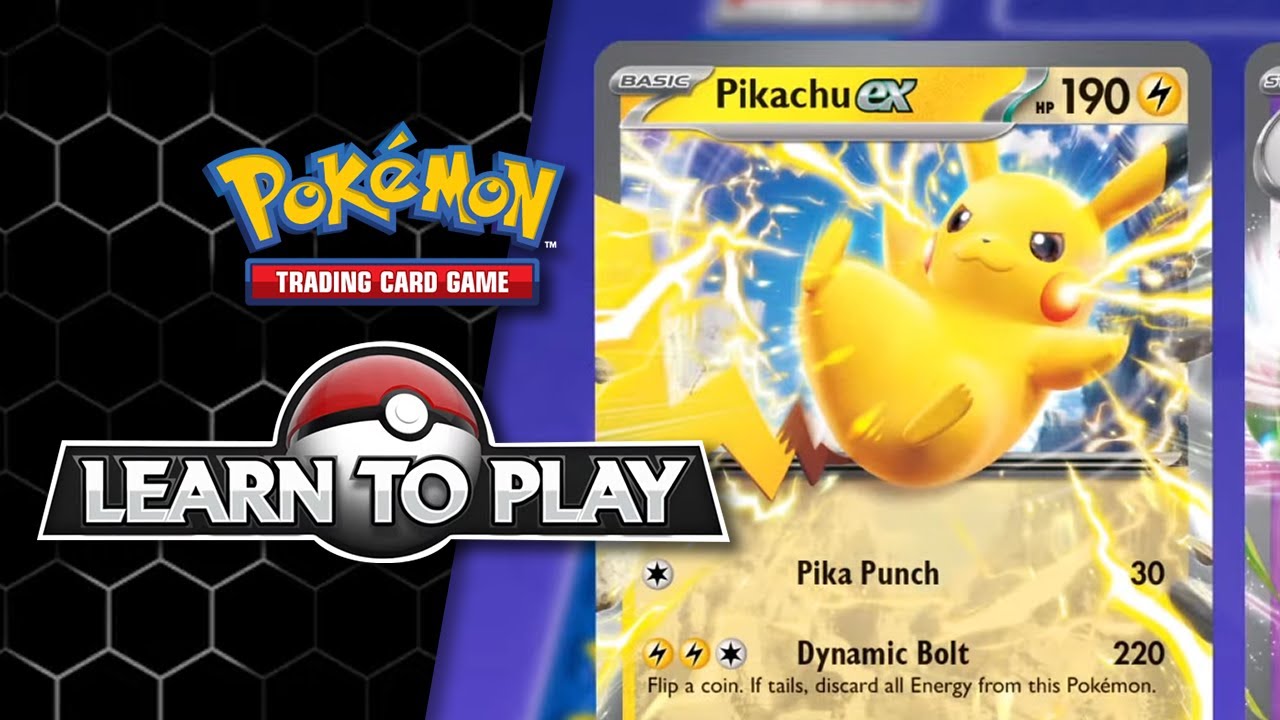
To succeed in Pokémon TCG Pocket, you must master the fundamental flow of a match: managing your Active Pokémon, benching support, and strategically attaching Energy cards. Unlike the traditional physical tabletop game, Pokémon TCG Pocket streamlines the experience for mobile play, focusing on quick, high-stakes decisions that prioritize speed and efficiency. The game rewards players who understand the priority of attacks and the specific win conditions required to claim victory. By focusing on the interplay between your hand, the board, and the game’s unique pacing, you can control the momentum of every match and climb the competitive ladder.
Understanding the Active and Bench Mechanics
The foundation of every match in Pokémon TCG Pocket lies in the distinction between your Active Pokémon and your Bench. Your Active Pokémon is the only creature capable of attacking, while your Bench serves as a reserve for future threats or supportive utility. Recognizing when to rotate a damaged Active Pokémon to the Bench is a crucial survival skill that preserves your momentum and prevents your opponent from claiming easy points.
Building a balanced team means keeping your Bench populated with Pokémon that provide either offensive pressure or specific abilities. Never leave your side of the board empty, as this leads to an automatic loss. Always look for opportunities to evolve your Benched Pokémon; evolution not only increases HP and damage output but often provides access to powerful abilities that can swing the game in your favor.
Pro-Tip: Don’t over-extend by filling your Bench with weak Pokémon that offer no utility. Each Pokémon on your field is a potential target; only bench what you need to advance your game plan.
Mastering Energy Attachment and Resource Flow
Energy cards are the lifeblood of your offense, and you are strictly limited to one manual attachment per turn. Because of this restriction, you must prioritize which Pokémon receives Energy based on your current hand and the state of the board. Attaching Energy to a Pokémon that cannot attack for several turns is often a waste of a turn, so ensure your strategy aligns with your current card count and the energy costs listed on your Pokémon’s attacks.
Consider the following priorities when managing your Energy usage:
- Primary Attacker: Focus on fully energizing your main damage dealer first to maintain constant offensive pressure.
- Backup Strategy: Once your primary attacker is ready, distribute Energy to a Benched Pokémon to ensure you aren’t left defenseless if your active unit is knocked out.
- Retreating Costs: Be mindful that moving a Pokémon to the Bench often requires discarding Energy, which can significantly set back your tempo if not calculated correctly.
Always anticipate the "Energy drought." If you find yourself without the right Energy types, use your Trainer cards to cycle through your deck to find the resources you need before your opponent gains an insurmountable lead.
Executing Attacks and Calculating Damage
Every attack in Pokémon TCG Pocket has a specific Energy cost and a damage output. Before committing to an attack, check the number of Energy symbols required against the cards you have currently attached. If you cannot meet the cost, the attack will fail, leaving your Active Pokémon vulnerable to a counterattack without any progression toward your goal of defeating the opponent.
Understanding the "Weakness" and "Resistance" mechanics is equally vital. Certain Pokémon types deal double damage to others, while some offer resistance that subtracts from incoming hits. Checking these values before you attack can determine whether you should press the offensive or pivot to a different strategy.
Calculated Aggression: Use the "Weakness" mechanic to your advantage by keeping a diverse set of attackers in your deck. If you see your opponent favoring a specific type, prioritize bringing out the counter-type from your deck immediately.
Interpreting Win Conditions and Match Goals
Winning in Pokémon TCG Pocket is achieved through specific objectives rather than just exhausting your opponent’s health. The primary way to win is by knocking out your opponent’s Pokémon to claim the required number of points (Victory Points). Keep a close watch on how many points you have taken versus how many your opponent has claimed. This count is the most accurate indicator of who is currently winning the exchange.
Beyond claiming points, you can win by completely eliminating all of your opponent's Pokémon from the field. This happens if your opponent has no Pokémon left on their Bench after their Active Pokémon is knocked out. This "Board Wipe" victory condition is a frequent outcome when a player fails to keep enough support units on their Bench, making it a critical aspect of your defensive planning. Always ensure you have at least one backup Pokémon ready to promote before your Active Pokémon goes down.
Maximizing Trainer and Item Card Synergy
Trainer cards are not merely passive additions to your deck; they are essential tools for manipulating the game state. These cards often allow you to search your deck for specific Pokémon, draw additional cards, or heal your active unit. Integrating these into your turn is essential because they generally do not count toward your single Energy attachment limit, allowing you to maximize your efficiency every single turn.
Always look for synergy between your Trainer cards and your active strategy. For example, using a card to search for an evolution piece can dramatically speed up your offensive setup. Do not hoard these items for a "perfect" moment that may never arrive; instead, use them to maintain tempo, refresh your hand, and ensure you always have a viable play available.
Strategic Decisions: When to Pivot
One of the most common mistakes beginners make in Pokémon TCG Pocket is being too attached to their first Pokémon. If your Active Pokémon is heavily damaged and provides no further utility, it is often better to retreat—even at the cost of Energy—to prevent your opponent from gaining easy points.
Consider these factors when deciding to swap:
- The Point Gap: Are you close to winning? If losing your Active Pokémon results in a loss, you must protect it at all costs.
- Energy Investment: If your Active Pokémon has three or more Energies attached, retreating might cost you too much tempo. In this case, it might be better to let it fall and promote a fresh, energized attacker.
- Bench Readiness: Never retreat if you have no follow-up plan. A bench-empty scenario is an instant loss. Ensure your next attacker is fully powered or ready to be powered up before initiating a retreat.
By mastering these mechanics, you will transition from a casual player to a tactical competitor. Focus on resource management, respect the turn limit, and always keep your win conditions in mind. Pokémon TCG Pocket is a game of incremental advantages; make every card count, and you will find your way to the top of the leaderboard.

Free Pokémon TCG Pocket Codes
Current active codes and how to redeem them.

Sarah Williams
Sarah specializes in RPG and collection games, explaining team building, character growth, and beginner-friendly ways to avoid expensive early mistakes.
COMMUNITY
Player Comments
65 players commented on this guide.
This saved me time in the early game.
The tips are practical and easy to follow.
The explanation is clear, especially for beginners.
Nice guide. I am checking the other Pokémon TCG Pocket articles next.