
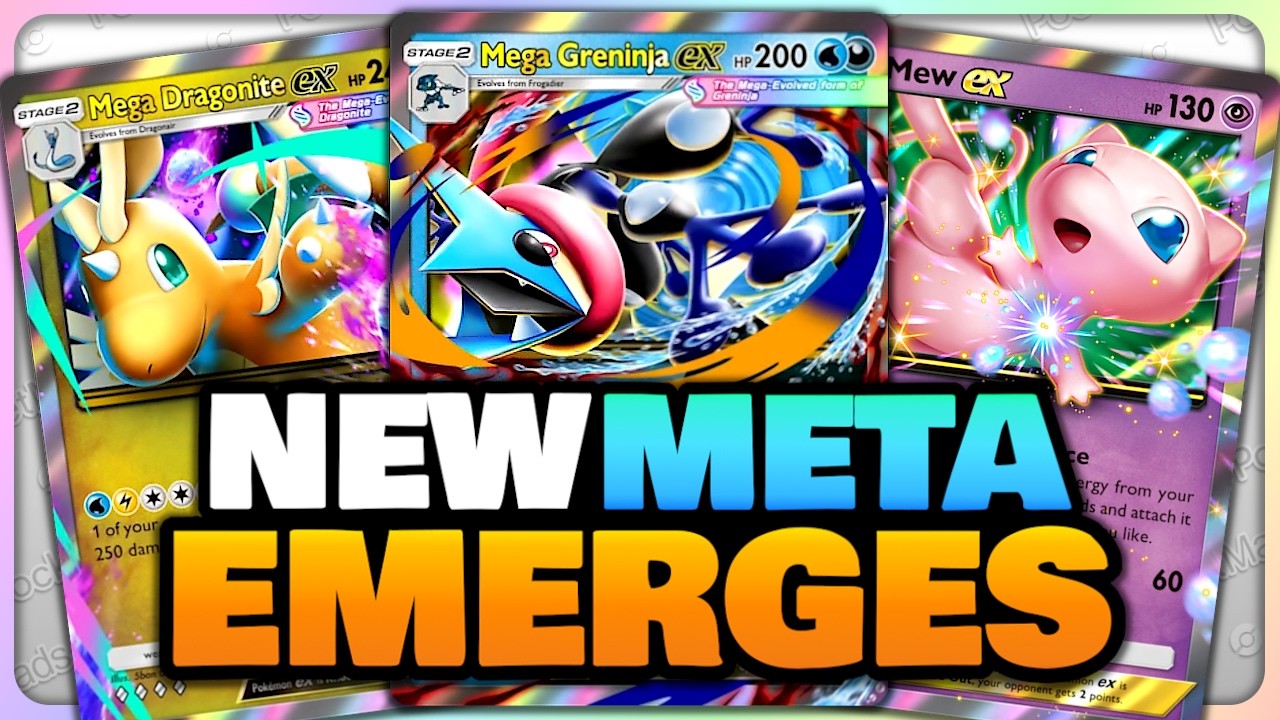
In Pokémon TCG Pocket, dual-type cards carry two elemental attributes simultaneously. When attacking, the card checks both of its types against the defending Pokémon. If the defending active card is weak to either attribute, the attack triggers bonus weakness damage. To maximize dual-type cards without sacrificing deck consistency, prioritize attackers that pair one elemental requirement with Colorless energy to keep your Energy Zone reliable.
How Dual-Type Weakness Mechanics Work
Dual-type cards combine offensive coverage into a single card slot, expanding the range of defending targets vulnerable to bonus damage. Weakness applies through simple checks during damage calculation:
- Dual-Attribute Attack Check: When a dual-type Pokémon attacks, the damage calculation checks both types against the defending Pokémon's listed weakness. If the defender is weak to either type, the attack applies the standard weakness damage bonus.
- Coverage Consolidation: Instead of running separate secondary attackers to hit specific weaknesses on the ladder, one dual-type line handles multiple opposing archetypes.
- Defensive Trade-Offs: Dual-type Pokémon often compensate for broader offensive power with higher retreat costs or slightly lower base HP thresholds, making active positioning critical.
| Feature | Single-Type Attacker | Dual-Type Attacker |
|---|---|---|
| Weakness Coverage | Targets 1 specific weakness pool | Targets 2 distinct weakness pools |
| Energy Generation | Relies on mono-type consistency | Risk of Energy Zone RNG if using split types |
| Support Card Pool | Interacts with 1 element's Trainers | Qualifies for both elements' Trainer tools |
| Deck Space | Requires secondary tech attackers | Consolidates tech coverage in one evolution line |
Managing Energy Zone Generation and Consistency
Because Pokémon TCG Pocket generates energy from the Energy Zone each turn based on deck settings, running cards that require two distinct energy types introduces randomness into your setup. Stalled turns occur when you fail to generate the specific color required for an attack.
Follow these rules when building an Energy Zone for dual-type attackers:
- Prioritize Colorless secondary costs: Choose dual-type cards that require one specific elemental energy alongside Colorless costs. This allows you to set your Energy Zone to a single type, eliminating generation RNG entirely.
- Use a 2-to-1 energy generation ratio: When an attacker strictly requires two distinct elemental energy types, weight your Energy Zone generation toward your primary opener to secure attacks on early turns.
- Limit diverse evolution lines: Do not include more than two evolutionary lines with differing energy requirements in the same deck.
- Include acceleration tools: Run Pokémon abilities and Item cards that generate or move extra energy to recover if your Energy Zone delivers the wrong color early.
Leveraging Type-Specific Trainer Cards
Dual-type cards qualify for Trainer and Supporter cards associated with either of their types. For example, a Pokémon carrying both Water and Psychic traits can use element-locked search cards, recovery items, and damage-boosting Supporters from both categories.
When constructing your list, review Item and Supporter pools for both typings. Combining draw engines and damage boosters across two supported elements gives dual-type decks higher consistency and recovery speed than standard mono-type setups.
How to Play Against Dual-Type Decks
Facing a dual-type attacker requires careful bench discipline:
- Protect vulnerable bench targets: Do not bench low-HP Basic Pokémon whose weaknesses align with either of the opposing card's types. Opponents will prioritize switching or gusting effects to knock out those targets for quick points.
- Exploit setup turns: If the opponent relies on two different energy types, push aggressive damage before they attach the required combination.
- Inflict status and force retreats: Inducing status conditions or forcing the active dual-type Pokémon back to the bench strains the opponent's energy pool, especially since dual-type cards typically have steeper retreat costs.

Free Pokémon TCG Pocket Codes
Current active codes and how to redeem them.

Emily Johnson
Emily writes practical mobile strategy guides with a focus on resource planning, base progression, and the early decisions that shape a long-term account.
COMMUNITY
Player Comments
33 players commented on this guide.
The tips are practical and easy to follow.
The explanation is clear, especially for beginners.
Can you add more details about strategy in a future update?
This guide answered the exact question I had.