
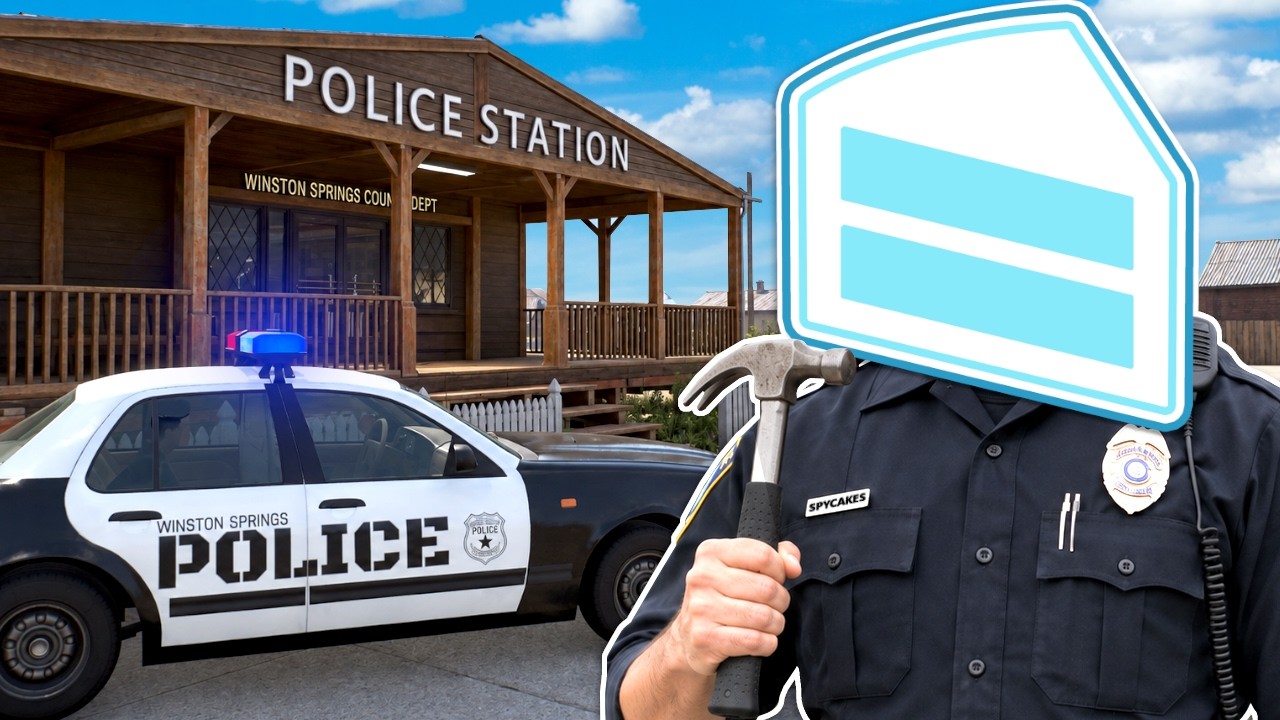
To convert an abandoned building into a functional police station in Police Chief, clear trash blocking the main entrance route first, set up primary workstations with open walking space, install basic lighting, and fund core station facilities before cosmetic upgrades.
Clearing Debris and Establishing Access
Occupying an abandoned structure presents an immediate obstacle: garbage and discarded debris block access to usable floor space.
- Clear Entrance Routes First: Focus on clearing a direct walking path from the main entrance to the primary central processing space. This creates an open main corridor, reducing travel time when moving equipment from inventory into designated rooms.
- Remove Large Trash Piles: Target large, centralized piles of debris early. These large clutter spots frequently conceal placement nodes for key furniture such as desks and storage units.
- Establish Room Access: Complete debris clearing in intended administrative areas before placing high-value equipment to avoid awkward layout adjustments later.
Workstation Layout and Spatial Buffers
Once floor space is clear, workstation arrangement directly impacts internal movement and staff pathfinding.
- Entrance Sightlines: Position main officer desks near the front entrance or designated administrative zone. Placing desks near entrance routes streamlines interaction when handling incoming reports or personnel traffic.
- Pathfinding Buffers: Avoid placing desks flushed tightly against walls or adjacent furniture. Leaving buffer space around workstations prevents staff models from catching on room geometry.
- Storage Access: Ensure clear routes connect desks to main storage and evidence lockers, as staff repeatedly travel between these locations during operational shifts.
Zone Setup and Facilities
Establishing defined zones within the precinct helps separate public interactions from sensitive police operations.
| Zone Type | Recommended Location | Essential Infrastructure | Purpose |
|---|---|---|---|
| Public-Facing | Near main entrance | Reception desk, seating | Handles public arrival and initial inquiries without exposing secure areas. |
| Secure Administrative | Interior rooms / back space | Officer desks, filing cabinets, storage lockers | Processes evidence and ongoing case paperwork securely. |
| Holding & Utility | Restricted rear areas | Holding cells, lighting units, computer terminals | Manages suspect detention and core precinct operations safely. |
Illumination Requirements
Abandoned structures lack adequate ambient lighting, making small dropped evidence or interactable paperwork difficult to see. Install overhead lighting fixtures or portable lamps early to maintain full visibility across shifts.
Managing Renovation Costs vs. Operational Budget
Building renovations share funding directly with core operational expenses such as patrol vehicle maintenance, fuel, and officer payroll.
- Prioritize Utility Over Appearance: Fund essential operational units—such as holding cells and computer terminals—before buying wall paint, decorative flooring, or cosmetic upgrades.
- Upgrade Equipment Sequentially: Starting with basic furniture gets the station open quickly. Replace low-tier furniture with higher-grade equipment as precinct reputation and case volume increase to improve case processing throughput.
- Pre-stock Workstation Supplies: Keep basic utility items (such as extra chairs and filing cabinets) in storage so newly recruited officers can immediately access functional workspaces.

Free Police Chief Codes
Current active codes and how to redeem them.

Emily Johnson
Emily writes practical mobile strategy guides with a focus on resource planning, base progression, and the early decisions that shape a long-term account.
COMMUNITY
Player Comments
93 players commented on this guide.
I tried this today and it worked better than my old setup.
This saved me time in the early game.
The explanation is clear, especially for beginners.
Can you add more details about base building in a future update?