
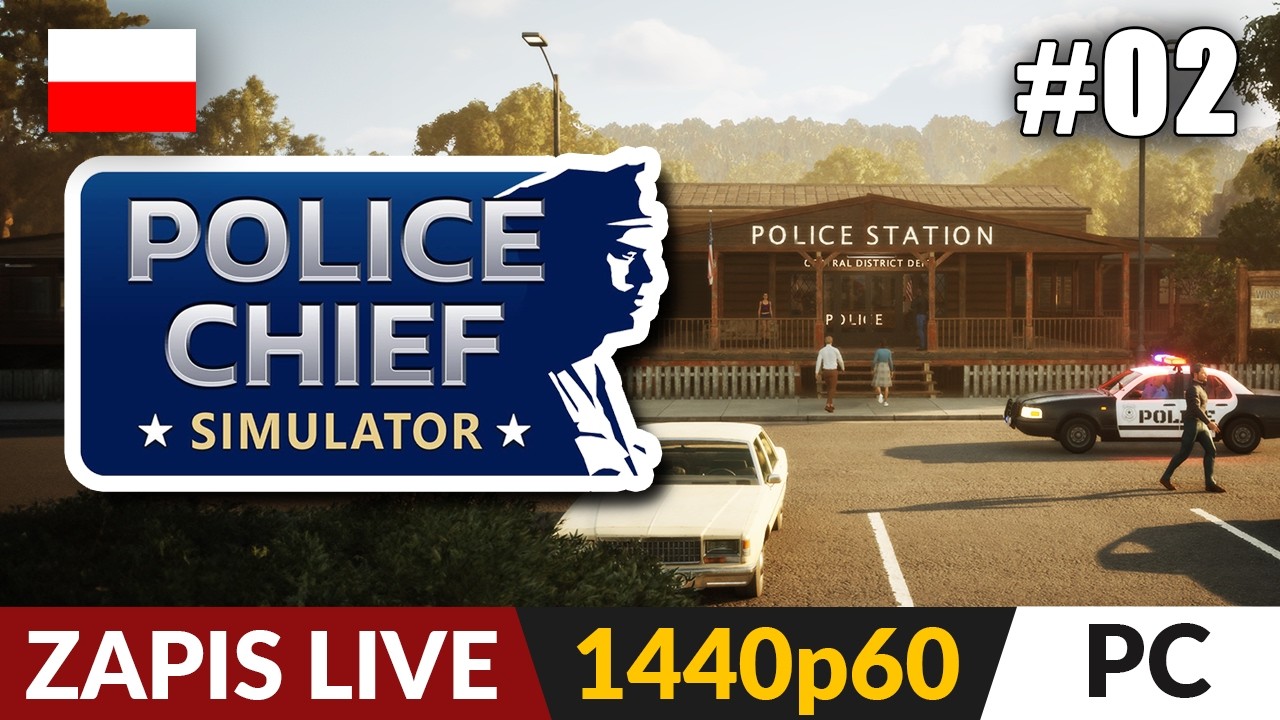
To clear administrative bottlenecks and maintain precinct revenue in Police Chief, set up automated monitoring in high-density traffic zones and optimize your booking desk layout. Automating fine collection generates passive income without tying up patrol officers, allowing your department to invest in suspect processing capacity and targeted street patrols.
Automating Traffic Fines in High-Density Zones
Relying on manual officer patrols to catch traffic infractions wastes personnel time and reduces precinct efficiency. Automated traffic monitoring records violations consistently, creating a reliable revenue stream for your department.
To set up an effective automated enforcement network:
- Target High-Density Traffic Zones: Place automated monitoring systems in heavily trafficked areas where violations happen frequently to maximize fine collection.
- Fund Early Progression: Reinvest traffic fine revenue during the early-to-mid-game into expanding precinct facilities and recruiting officers.
- Balance Automated and Mobile Enforcement: Use static automated stations for passive fine collection, but keep mobile patrol units available because static systems cannot respond to dynamic events like burglaries or public disturbances.
Optimizing Booking Workflows and Offender Processing
Automating traffic enforcement shifts your operational bottleneck to suspect intake. Overcrowded booking areas slow down suspect turnover, keeping patrol officers stuck doing administrative paperwork instead of returning to the streets.
Follow these steps to maintain high throughput in your intake area:
- Shorten Officer Travel Paths: Position booking desks close to the precinct entrance and holding areas to eliminate unnecessary walking distance for escorting officers.
- Add Administrative Stations: Build additional booking desks if intake queues regularly back up during peak crime periods.
- Expand Holding Capacity: Upgrade your holding cells so processed detainees move immediately out of the intake queue, preventing intake shutdowns caused by full cells.
- Prioritize Severe Infractions: Process high-severity offenders first to clear high-risk individuals from booking desks quickly.
Precinct Management Priority Hierarchy
Balancing automation, intake efficiency, and active field presence requires clear operational priorities.
| Priority | Operational Focus | Primary Function | Strategic Benefit |
|---|---|---|---|
| Primary | Automated Traffic Monitoring | Fine generation in high-density zones | Secures consistent precinct funding without officer labor |
| Secondary | High-Speed Booking Stations | Optimized suspect intake and path design | Clears booking backlogs and returns officers to patrol |
| Tertiary | Targeted Mobile Patrols | Direct response in high-crime districts | Suppresses criminal activity outside static monitoring zones |

Free Police Chief Codes
Current active codes and how to redeem them.

Emily Johnson
Emily writes practical mobile strategy guides with a focus on resource planning, base progression, and the early decisions that shape a long-term account.
COMMUNITY
Player Comments
25 players commented on this guide.
I wish I had read this before upgrading the wrong thing.
This saved me time in the early game.
The explanation is clear, especially for beginners.
I tried this today and it worked better than my old setup.