
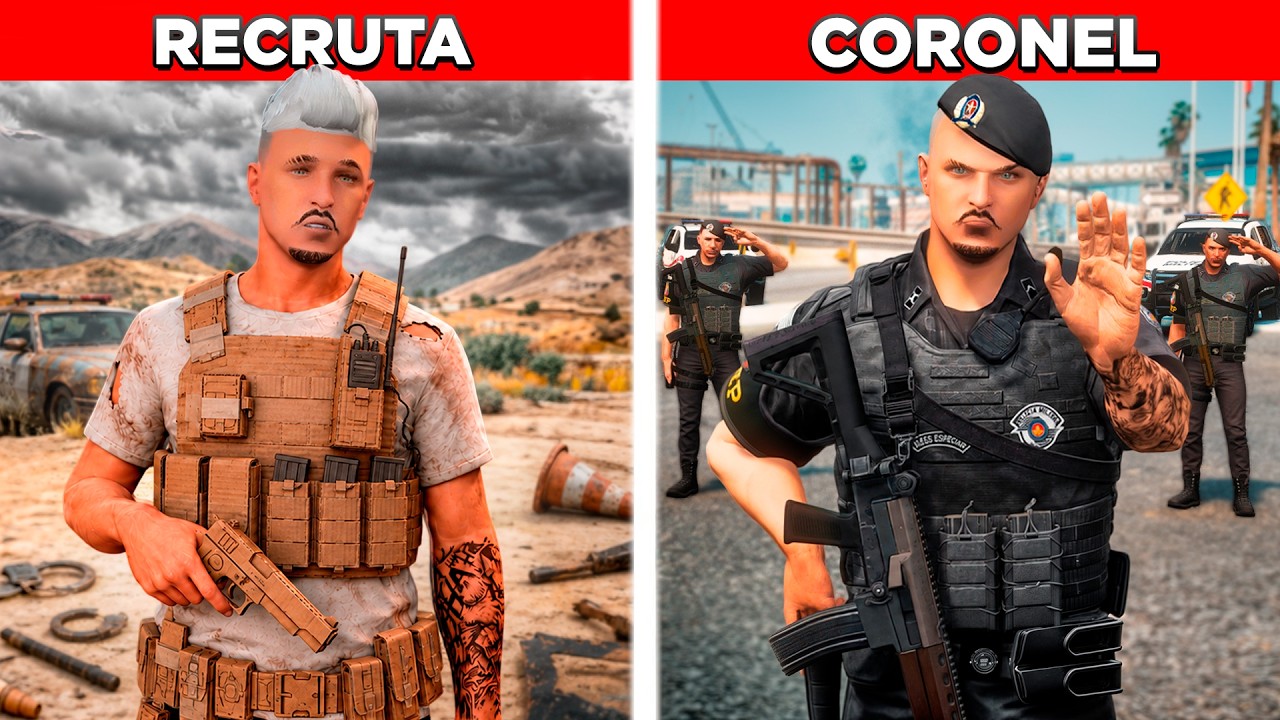
To progress from a rookie officer to the rank of Police Chief in Police Chief, you must move beyond basic street patrols and master the game’s core economic and management loops. The journey to the top is not merely about arresting criminals; it is about scaling your operational capacity through calculated investments, high-efficiency task prioritization, and strategic resource allocation. Players who treat their early career as a business enterprise—minimizing overhead while maximizing the return on every patrol hour—will find the path to the Chief’s office significantly shorter.
Mastering Early Patrol Strategies and Revenue
Your career starts on the streets, and your ability to generate capital here determines how quickly you can climb the ranks. The game’s progression engine is tied to your ability to "clear" sectors.
- Prioritize High-Frequency Zones: Do not waste time in low-crime districts. Identify the sectors where dispatch calls trigger most frequently. Staying in these areas reduces travel time, allowing you to maximize the number of incidents handled per shift.
- The "Active Surveillance" Rule: The game penalizes idling. Even when dispatch is quiet, keep your vehicle moving. Patrol loops that cover high-density intersections increase the likelihood of triggering spontaneous street crimes, which provide critical early-game cash flow.
- Avoid Early-Game Vanity: The most common mistake for new players is spending on cosmetic paint jobs or unnecessary sirens. Every dollar earned in the first ten hours should be reinvested into your operational toolkit. Treat your initial bankroll as a bootstrap fund for the upgrades that will eventually allow you to handle more dangerous, higher-paying tasks.
Investing in Tactical Vehicle Upgrades
In Police Chief, your patrol car is your primary tool for influence. As you gain more experience, the difficulty of suspects and the complexity of chases will increase. If your vehicle lacks the performance to keep up, your success rate will plummet.
- Engine and Drivetrain First: Always prioritize engine power and handling over armor or aesthetics. A faster vehicle allows you to close the distance on suspects quickly, which is vital for securing "On-Time" performance bonuses.
- The Brake-Handling Balance: While speed is essential, handling is what prevents accidents during high-speed chases. A crash costs you both repair bills and potential arrest bonuses. Invest in high-performance tires and upgraded braking systems early to ensure you aren't paying for damages out of your hard-earned profits.
- Scaling Up: Once you reach the mid-game, look for vehicles that offer higher storage capacity for evidence or improved radio interception capabilities. These aren't just upgrades; they are force multipliers that allow you to tackle high-tier missions that lower-level cruisers simply cannot manage.
Efficient Task and Mission Management
Progression in Police Chief is gated by your performance record. The game tracks your "Officer Rating," which is heavily influenced by how you handle your assigned objectives.
- Prioritize High-Yield Warrants: When choosing between calls, always accept warrants that offer the highest payout. These usually involve more dangerous suspects but are the primary levers for shifting your rank status.
- Batching Objectives: Look for opportunities to "stack" tasks. If a patrol route objective overlaps with a warrant arrest, prioritize the arrest first, then complete the patrol requirement while transporting the suspect or heading to the next call.
- The Penalty of Stagnation: Failing to complete an assigned task not only results in lost income but also delays your promotion. If a call seems too difficult, it is better to skip it and take a smaller, manageable task than to fail a high-priority mission and take a reputation hit.
Managing Station Resources and Infrastructure
As you approach the rank of Sergeant and beyond, your focus must shift from individual patrol performance to precinct management. Police Chief rewards players who understand that a well-run station generates more passive income than a single officer on the beat.
- Strategic Expansion: Do not build new facilities until your current patrol revenue is stable. Focus on upgrading existing infrastructure—such as the evidence locker or the holding cell capacity—to improve the speed of processing suspects. Faster processing means more arrests per shift, which translates into higher daily revenue.
- Staffing Efficiency: As a future Police Chief, you will eventually manage other officers. Use the revenue from your personal patrols to recruit AI officers who can handle low-priority calls. This frees you up to pursue the high-reward investigations that are essential for the final promotion to Chief.
- Budgeting for Sustainability: Always keep a "reserve fund" equal to two full shifts of expenses. This acts as a safety net if you have a string of unsuccessful missions or high repair costs.
Moving Toward the Chief Milestone
Reaching the rank of Police Chief is the ultimate goal, but it requires a change in mindset. Once you have moved past the initial grind, your success is measured by the efficiency of your entire precinct.
Key Metrics to Monitor
- Arrest-to-Release Ratio: Ensure your precinct’s processing speed is high. If suspects are waiting too long, you are losing money on potential bail fees and investigation bonuses.
- Equipment ROI: Review your vehicle fleet. Are older, damaged cars dragging down your average response time? Sell off underperforming units and replace them with reliable, upgraded fleet vehicles.
- Task Mastery: By the time you are aiming for Chief, you should be able to identify "dead-end" missions—tasks that take too long for the payout provided—and prune them from your queue.
Avoiding Common Pitfalls
- The "Luxury Trap": Do not spend on station decor or high-end office furniture until you have fully upgraded your fleet and patrol-assist technology.
- Ignoring Dispatch Alerts: Even if you are busy, keep an eye on incoming alerts. Sometimes, a high-value call will pop up that provides a much better reward than your current, mundane patrol task.
- Neglecting Repairs: Never head out on a high-stakes mission with a damaged vehicle. The risk of losing the suspect—and the mission reward—is not worth the cost of a quick repair at the station.
By focusing on these pillars—disciplined spending, high-performance vehicle management, and strategic mission selection—you will move from a rookie on patrol to the leader of the precinct. Police Chief is a game of patience and tactical decision-making; stay consistent with your routine, reinvest wisely, and you will secure the badge of the Chief.

Free Police Chief Codes
Current active codes and how to redeem them.

Sarah Williams
Sarah specializes in RPG and collection games, explaining team building, character growth, and beginner-friendly ways to avoid expensive early mistakes.
COMMUNITY
Player Comments
152 players commented on this guide.
I tried this today and it worked better than my old setup.
This helped me understand resources much better.
This saved me time in the early game.
This guide answered the exact question I had.