
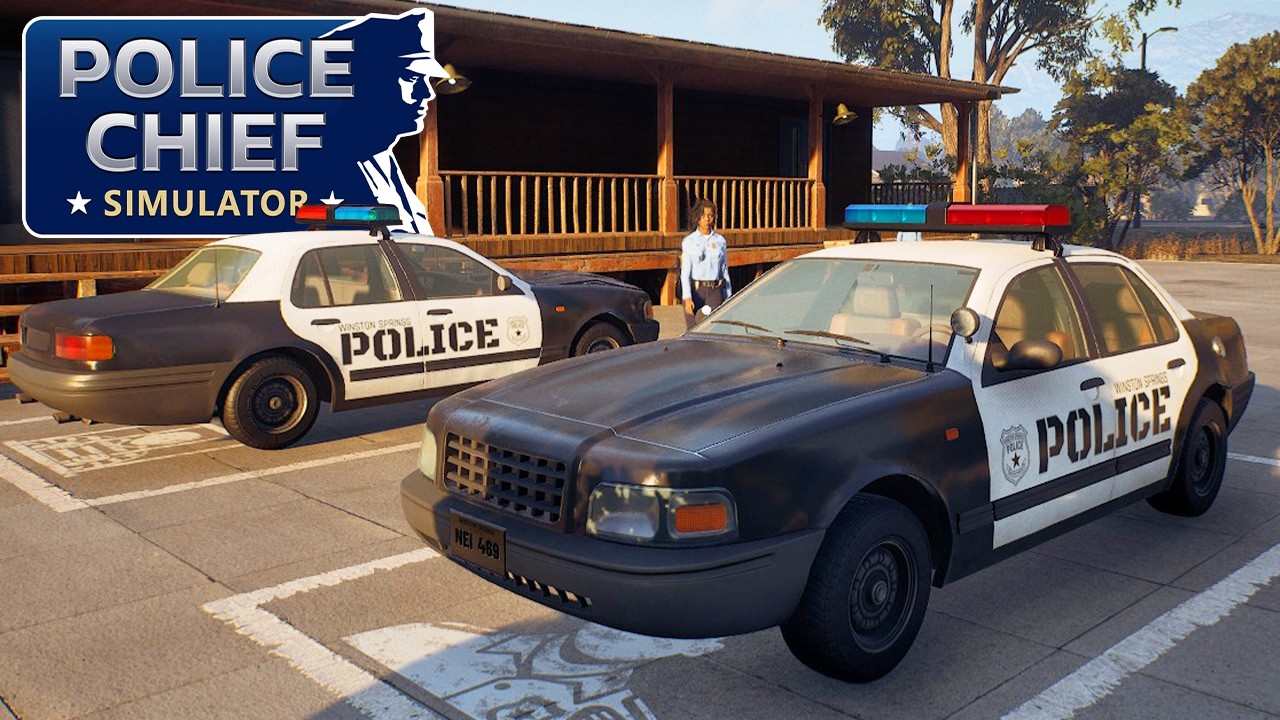
To form and deploy patrol teams in Police Chief, purchase an additional cruiser through the fleet procurement catalog at the precinct terminal, assign officers to the vehicle via the personnel assignment board, and stock essential gear from storage before dispatching the unit to city sectors. Ensure your station keeps dedicated staff at the booking desk and holding cells before sending units out, as road arrests will quickly stall precinct operations if no one is available to process incoming detainees.
Purchasing Additional Cruisers
Acquiring extra patrol vehicles requires accumulated operating cash from issued citations and resolved bookings. Do not buy a cruiser the moment precinct funds equal the purchase price. Operating a vehicle incurs recurring costs, including fuel, gear replacement, and mechanical repairs following pursuits.
Before purchasing:
- Check the precinct garage and motor pool to confirm that an open parking bay is available for delivery.
- Retain a cash buffer beyond the vehicle sticker price to cover immediate outfitting and ongoing operating expenses.
- Access the fleet procurement catalog on the management terminal to finalize the transaction. The cruiser delivers directly to the station lot upon purchase.
Assembling Patrol Teams and Vehicle Roles
Deploying a two-officer team improves field safety and suspect apprehension rates compared to running solo units. In a paired configuration, the primary operator drives while the passenger manages dispatches, coordinates route navigation, and provides cover during stops and arrests.
To configure a crew:
- Open the precinct personnel assignment board.
- Select an active cruiser parked in the motor pool.
- Assign the officer with higher driving competency to the primary driver slot.
- Assign the second officer to the passenger support role.
- Check fatigue meters before clearing the shift. Pairing an exhausted officer with a rested partner causes uneven field performance and forces an early return to base.
| Patrol Configuration | Primary Function | Field Safety | Resource Cost | Station Impact |
|---|---|---|---|---|
| Solo Officer Cruiser | Basic traffic monitoring and routine citations | Low; vulnerable to fleeing or combative suspects | 1 cruiser, 1 officer | Minimal drain on interior desk staffing |
| Two-Officer Team | High-risk traffic stops, rapid arrests, and felony callouts | High; passenger provides tactical cover during detentions | 1 cruiser, 2 officers | Moderate drain; requires active roster planning |
| Transport Van Detail | Moving multiple booked detainees to central detention | Moderate; specialized for custody transfer, not pursuits | High initial purchase price, higher fuel use | Relieves holding cell overflow |
Stocking Cruiser Equipment
New vehicles arrive empty and must be manually outfitted from station storage before departure. Sending officers into the field without diagnostic and restraint tools prevents them from completing routine enforcement actions.
Retrieve items from the armory and evidence lockers to equip the vehicle:
- Enforcement tools: Handheld radar guns for speed detection and breathalyzers for DUI checkpoints.
- Restraints: Multiple pairs of metal handcuffs to secure suspects during roadside stops.
- Trunk gear: Emergency road flares, traffic cones, and a basic first-aid kit.
- Personal equipment: Non-lethal gear, such as tasers or pepper spray, equipped directly on assigned officers to subdue non-compliant suspects without escalating force.
Preventing Station Booking Bottlenecks
Every active patrol car generates citations and arrestees that feed directly back into station facilities. If all available personnel are dispatched on street patrol, suspects brought back to the precinct will sit unprocessed in holding areas or cruisers.
To maintain workflow across the precinct:
- Maintain desk minimums: Keep at least one officer assigned to the suspect booking counter and one managing the holding cells before clearing patrol units for field duty.
- Target productive sectors: Route patrol units into commercial zones and heavy-traffic intersections to maintain steady fine revenue without overwhelming cell capacity.
- Stagger intake: Space out transport runs so that multiple units do not arrive at the booking desk simultaneously.
- Rotate rotations: Swap fatigued patrol officers with rested indoor desk personnel to prevent operational drop-offs.
Maintaining Fleet Durability
City driving, collisions, and high-speed pursuits degrade cruiser durability, tires, and engine components. A car left without maintenance will eventually break down, stranding its crew and removing a costly asset from service.
Inspect vehicles in the garage lot between active shifts. Top off fluid levels and complete minor mechanical repairs as soon as wear indicators appear to avoid expensive component overhauls and keep patrol routes active across Winston Springs.

Free Police Chief Codes
Current active codes and how to redeem them.

Sarah Williams
Sarah specializes in RPG and collection games, explaining team building, character growth, and beginner-friendly ways to avoid expensive early mistakes.
COMMUNITY
Player Comments
31 players commented on this guide.
The tips are practical and easy to follow.
This saved me time in the early game.
This guide answered the exact question I had.
I wish I had read this before upgrading the wrong thing.