
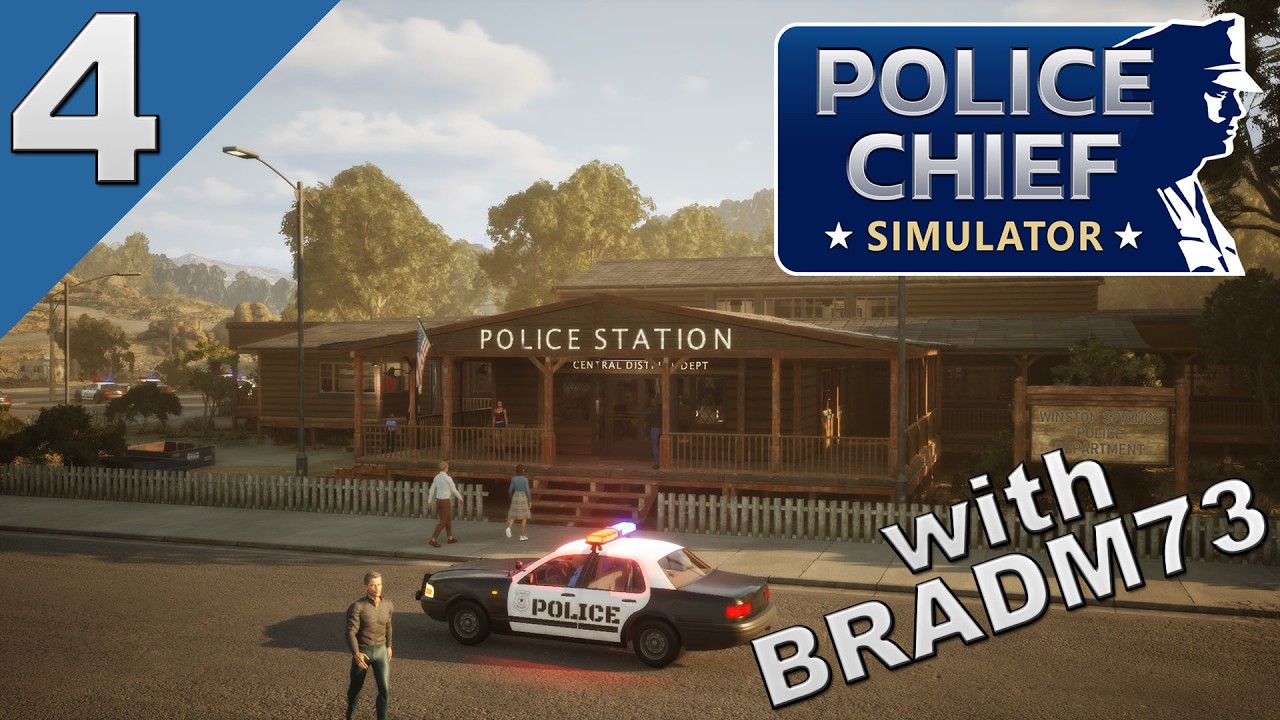
To maintain steady precinct operations in Police Chief, resolve holding cell intake bottlenecks before sending officers out on radar gun speed checks. Processing detained suspects immediately frees patrol units for field duties, while stationary radar enforcement provides predictable traffic fine income during quiet shifts in Winston Springs.
Setting Up and Managing Holding Cells
Suspect booking efficiency depends on the physical layout and maintenance of your precinct intake area. A poorly placed cell or cluttered hallway breaks AI pathfinding, forcing officers to stand idle while waiting to log detainees.
Follow these layout and maintenance guidelines:
- Clear the intake route: Keep a direct, unobstructed path from the precinct front entrance to the booking desk and holding cells. Remove furniture and misplaced clutter that block pathfinding.
- Position cells near intake: Place holding cells close to the intake desk to minimize officer walking distance and shorten processing times.
- Maintain booking equipment: Inspect booking terminals regularly to ensure they remain fully functional. Broken or obstructed terminals prevent officers from interacting with cells.
- Expand cell capacity: Upgrade holding capacity as soon as detainee backlogs begin forming. Insufficient capacity stalls revenue generation and leaves officers unable to hand off prisoners.
Always process waiting detainees before taking on optional tasks so holding cells stay clear for incoming arrests.
Operating Radar Guns for Traffic Revenue
Radar guns generate direct fine income without relying on random emergency calls. However, successful speed enforcement requires strict positioning and timing.
Key requirements for radar gun deployment include:
- Maintain a stationary stance: Stand stationary in designated enforcement zones. Attempting to use the radar gun while walking, driving, or during pursuits results in missed speed readings.
- Select clear line-of-sight locations: Position officers along straight, high-traffic road segments to clock speeding vehicles cleanly.
- Initiate stops immediately: Pull over speeding targets as soon as they are identified to issue fines quickly and return units to patrol status.
- Schedule dedicated shift blocks: Set aside specific time blocks for speed enforcement rather than running radar continuously, ensuring regular field patrols remain active.
Operational Task Comparison
| Task | Primary Objective | Key Requirement | Failure Point |
|---|---|---|---|
| Holding Cell Intake | Process suspects to free patrol units | Clear path from entrance; working terminals | Blocked paths or full cells leave officers standing idle with suspects |
| Radar Enforcement | Generate immediate fine revenue | Stationary position with clear road line of sight | Operating device while moving or during pursuits causes failed readings |

Free Police Chief Codes
Current active codes and how to redeem them.

Michael Smith
Michael covers live-service games, events, reward systems, and efficient daily routines, turning frequent updates into clear actions for players.
COMMUNITY
Player Comments
26 players commented on this guide.
The tips are practical and easy to follow.
I tried this today and it worked better than my old setup.
Good guide for Police Chief players. The strategy part was useful.
Can you add more details about strategy in a future update?