
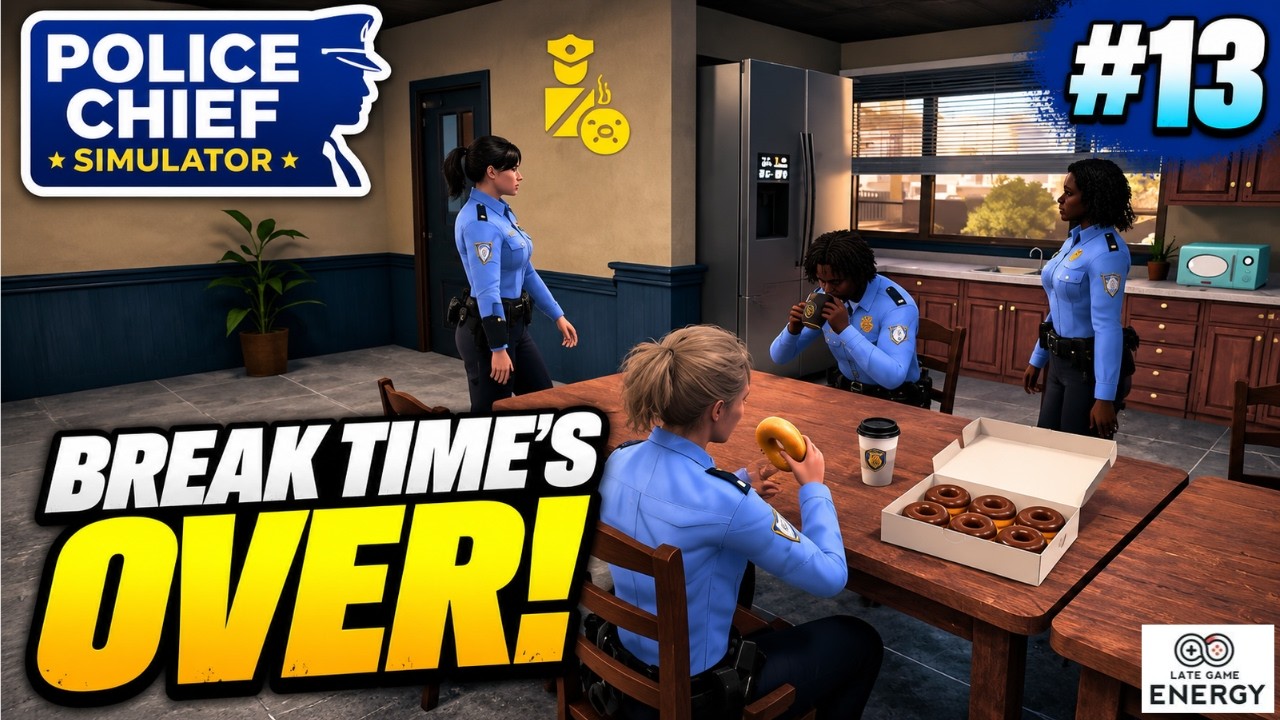
To improve precinct efficiency in Police Chief, authorize officer promotions through the personnel management menu while building fully stocked break rooms near key work areas. Promoted officers resolve field incidents faster and process station tasks more reliably, but higher ranks increase daily wage expenses. At the same time, officers accumulate fatigue during their shifts and must take breaks to consume food and coffee, making scheduled rotation necessary to keep response units active.
How to Promote Officers Effectively
Officers earn promotion eligibility as they gain experience on active duty. Access the station personnel menu to view staff readiness and authorize rank advancements. Because each promotion raises an officer's recurring salary, upgrading staff across the board can quickly create budget deficits.
Target promotions to roles that provide clear operational returns:
- Frontline Patrol Drivers: Promoted patrol units intercept fleeing suspects faster and resolve street dispatches with fewer complications, preventing response queues from backing up.
- Booking and Processing Officers: Upgraded desk staff process arrests and prisoner transfers more quickly, preventing overcrowding in station holding cells.
- Specialized Units: Higher-ranking officers assigned to speed enforcement or tactical calls secure cleaner apprehensions and higher citation revenue.
Offsetting Increased Wage Costs
To sustain higher daily payroll costs, tie every wave of promotions directly to revenue-generating operations:
- Deploy promoted units to traffic enforcement: Assign upgraded officers to radar traps and high-incident patrol sectors where citation fines produce steady operating cash.
- Accelerate holding cell turnover: Use promoted booking officers to rapidly process suspects and collect booking bounties before cells reach capacity.
- Maintain a tiered roster: Keep a core group of high-ranking officers supported by lower-wage patrol personnel to avoid a top-heavy payroll structure.
Setting Up Station Break Infrastructure
Fatigued officers automatically seek out rest areas to replenish their stamina. If the precinct lacks adequate break facilities, officers spend excessive time walking across the building or idling in holding areas, leaving calls unassigned.
| Break Facility Element | Operational Impact | Placement and Setup |
|---|---|---|
| Donut Trays and Food Stations | Restores stamina quickly to shorten total break duration. | Place directly inside break rooms and restock consumables regularly. |
| Seating Areas | Gives resting officers a designated space to recover. | Install tables and chairs near booking desks and briefing rooms. |
| Break Room Proximity | Reduces transit time between duty stations and rest areas. | Build break rooms adjacent to vehicle bays and dispatch areas. |
If food and coffee supplies run out, officers take considerably longer to recover energy, cutting the number of available units for incoming emergencies.
Managing Shift Rotation and Downtime
The primary risk of the break system is simultaneous downtime, which occurs when multiple officers leave their posts at the same time. If a high-priority dispatch triggers while several patrol teams are on break, response timers can expire and reduce precinct ratings.
- Check energy bars before dispatching: If an officer's stamina is near the resting threshold, hold that unit at the station so they complete their break before taking a long-distance call.
- Stagger patrol deployments: Send fully rested officers to active incidents while recovering officers cycle through the break room.
- Cover critical desks: Ensure at least one qualified officer remains on duty at the booking desk while others take scheduled rest.

Free Police Chief Codes
Current active codes and how to redeem them.

Emily Johnson
Emily writes practical mobile strategy guides with a focus on resource planning, base progression, and the early decisions that shape a long-term account.
COMMUNITY
Player Comments
160 players commented on this guide.
I wish I had read this before upgrading the wrong thing.
Good guide for Police Chief players. The strategy part was useful.
I tried this today and it worked better than my old setup.
This saved me time in the early game.