
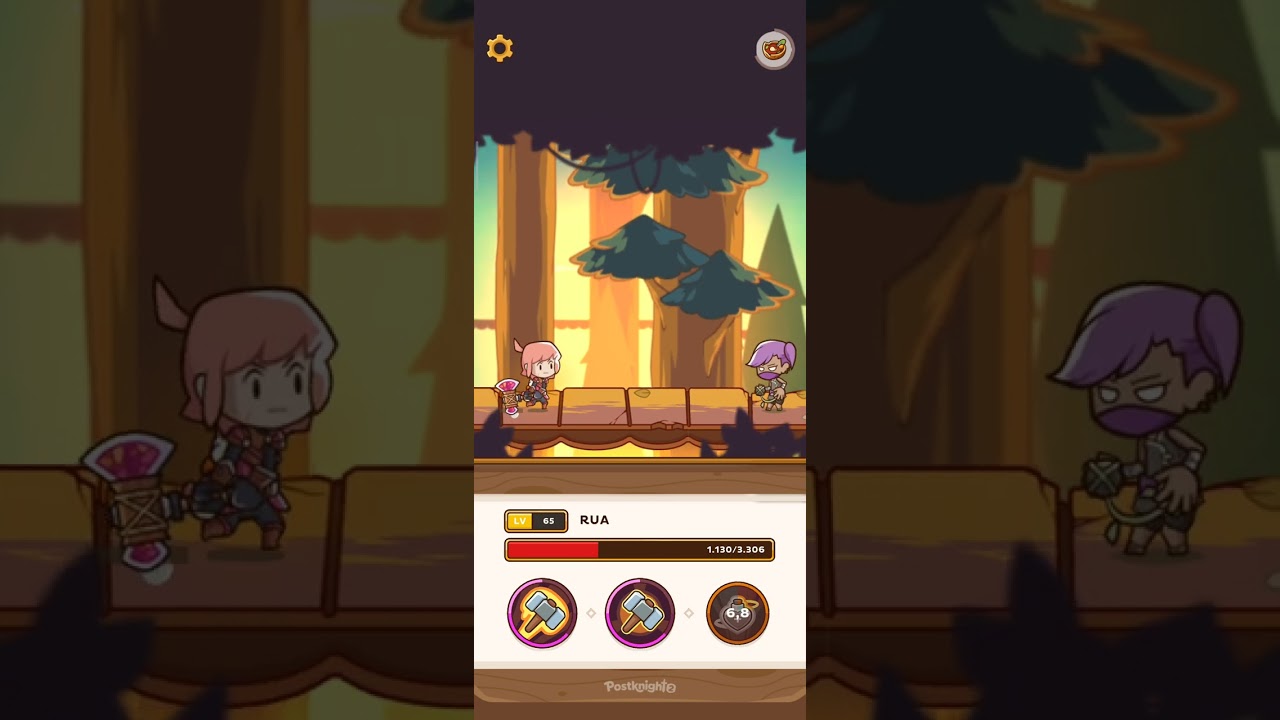
To clear Stage 6-20 in Aldor without upgraded skill books, switch from aggressive rushing to defensive pacing. Without the passive healing, extended invulnerability, or automatic stuns provided by advanced skill books, raw attributes and strict cooldown management must absorb all incoming damage. Equip a Sword and Shield, drink potions early to cycle cooldowns, and hold dashes until frontline attacks pass.
Weapon Choices and Baseline Skill Timing
Without trait modifiers, your baseline weapon kit determines your survival margin. While Dual Daggers offer evasion and the Heavy Hammer provides crowd control, the Sword and Shield offers the most forgiving defense against Stage 6-20's high burst damage.
| Weapon Type | Primary Survival Skill | Tactical Focus in Stage 6-20 |
|---|---|---|
| Sword & Shield | Shield Guard / Defend | Block heavy burst; negate knockback |
| Dual Daggers | Parry / Swift Evasion | Frame-perfect dodge through bursts |
| Heavy Hammer | Smash / Ground Shock | Stun frontlines before wind-ups |
- Sword & Shield: Do not tap block preemptively. Wait for heavy melee units to begin their attack animations, or raise the shield right before colliding with incoming ranged projectiles. Drop your guard as soon as the hit registers to resume regular attacks.
- Dual Daggers: Reserve your Slash skill entirely for repositioning or evading melee swings rather than dealing burst damage on cooldown.
- Heavy Hammer: Space your charge attacks to hit early, staggering charging Aldor enemies before their swing frames connect.
Potion Cycling and Health Management
Waiting until critical health to heal will cause runs to fail on Stage 6-20, as overlapping burst damage can defeat your character mid-animation.
- Drink early: Consume your potion whenever your health drops below 75% to 80%, provided the potion is off cooldown. Starting the cooldown timer early lets you cycle multiple potions throughout the run.
- Upgrade at the Alchemist: Visit the town alchemist before running the stage to upgrade the standard Red Potion's recovery amount and cooldown speed. A faster cooldown provides the recovery needed to survive consecutive enemy packs without trait-based healing.
Wave-by-Wave Combat Strategy
Divide Stage 6-20 into four distinct encounters rather than pushing forward continuously:
- Phase 1 (Opening Skirmishers): Clear the initial light enemies using only basic attacks. Save weapon skills and your shield so all cooldowns are ready for heavier units.
- Phase 2 (Ranged Attackers and Brutes): Armored melee brutes advance alongside ranged projectile units. Stand firm until the brutes wind up their strikes, absorb the hit with your defensive skill, then dash forward to engage the ranged line.
- Phase 3 (Mid-Stage Chokepoint): Incoming damage spikes heavily here. Use your potion early to maintain maximum health. Eliminate the unshielded melee bruisers first while using weapon knockback to disrupt adjacent enemies.
- Phase 4 (Final Stretch): Avoid dashing toward the stage exit. Clustered defenders at the boundary can body-block and trap you. Methodically block incoming strikes and counterattack until the path clears.
Stat and Gear Allocation
When skill books cannot compensate for low defense, optimize your baseline stats and armor before entering the stage:
- Vitality: Prioritize Vitality higher than standard offensive builds. A larger maximum health pool prevents single-combo defeats and increases the raw value of percentage-based healing.
- Agility: Keep moderate investment in Agility to maintain a functional dodge check and baseline critical strike rate.
- Strength: Maintain enough Strength to prevent combat stalls, but avoid pure offensive distributions that leave your health pool vulnerable.
- Equipment: Equip the highest-tier Aldor armor available, focusing on pieces with flat physical defense and health regeneration to survive sustained frontline damage.

Free Postknight 2 Codes
Current active codes and how to redeem them.

Emily Johnson
Emily writes practical mobile strategy guides with a focus on resource planning, base progression, and the early decisions that shape a long-term account.
COMMUNITY
Player Comments
154 players commented on this guide.
This saved me time in the early game.
This guide answered the exact question I had.
I wish I had read this before upgrading the wrong thing.
The tips are practical and easy to follow.