
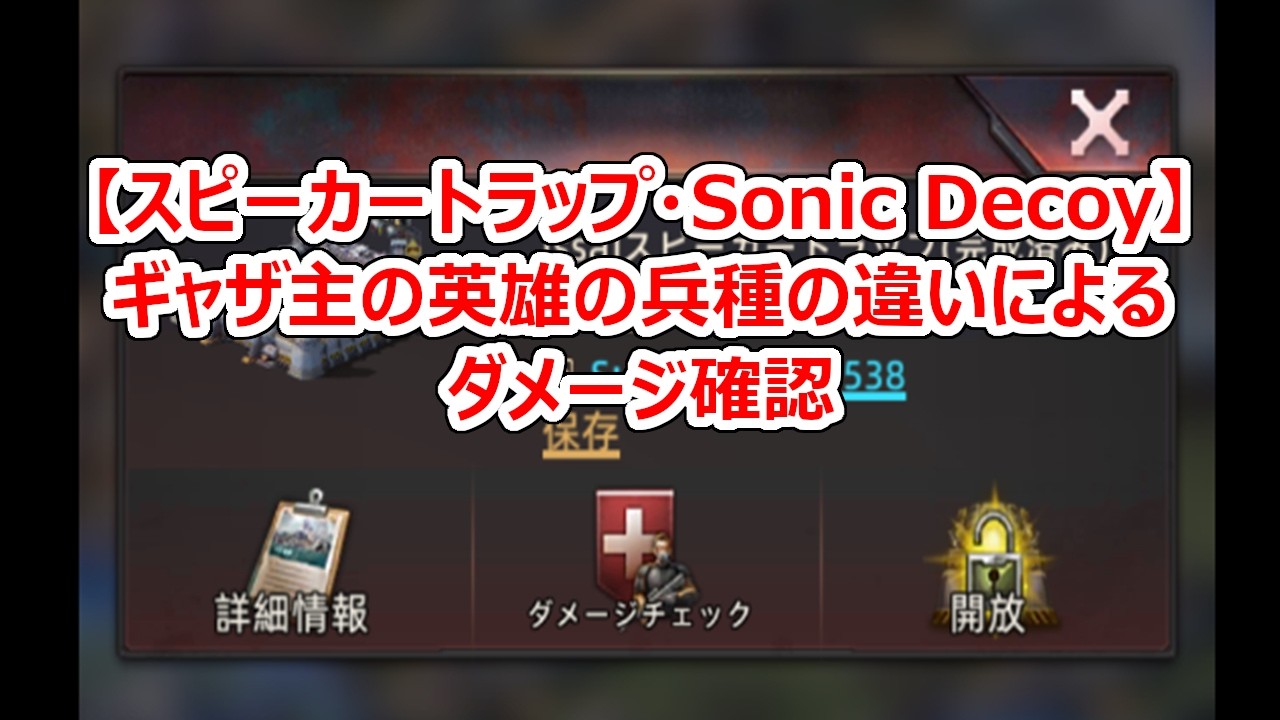
To maximize alliance damage against the Sonic Decoy (Speaker Trap) in Puzzles & Survival, the rally leader must deploy heroes whose troop specialization directly matches the units joining the rally. In alliance rallies, only the rally initiator’s five heroes provide passive stat multipliers and tactical skill triggers for the entire combined march. If a leader fields off-spec heroes or members send mismatched unit types, those troops fight without essential attack multipliers, drastically lowering total trap damage and milestone rewards.
How Rally Leader Heroes Determine Trap Damage
The rally leader serves as the statistical foundation for the entire attack. The passive bonuses provided by the leader’s heroes—primarily Troop Attack, Defense, and HP—scale across every participant's units up to the rally march capacity. Joining members do not project their own hero stat bonuses across the group.
When a leader fields dedicated troop specialists (such as Rider heroes boosting Rider ATK), those percentage bonuses apply cleanly to matching member units. Because the Sonic Decoy is a stationary target that does not retaliate or kill troops, defense and healing provide no scoring value. Damage output depends entirely on stacking offensive multipliers. Mismatching hero types deprives joined units of these multipliers, leading to severe damage penalties.
| Rally Leader Hero Focus | Joined Troop Composition | Multiplier Synergy | Trap Damage Potential |
|---|---|---|---|
| Pure Specialized (e.g., All Rider) | Matching Units (e.g., Pure Rider) | Full troop attack and tactical skill scaling | Maximum |
| Hybrid (e.g., Rider & Fighter) | Split Units (Riders & Fighters) | Diluted stat distribution across split unit pools | Sub-optimal |
| Mismatched (e.g., Shooter Heroes) | Opposing Units (e.g., Pure Rider) | Zero specialized attack multipliers applied | Minimum |
Tactical Skills and Combat Efficiency
Hero tactical skills contribute a significant share of total damage in trap encounters. As troops attack each round, they generate rage to trigger tactical skill activations.
Because the boss never attacks, rally leaders should optimize their hero line for pure offensive output:
- Prioritize Burst Damage: Select heroes with direct-damage tactical skills and raw Troop ATK percentage buffs.
- Exclude Defensive Utility: Bench heroes focused on shields, healing, or crowd control, as these abilities waste skill activations against a non-retaliating target.
Alliance March Coordination Rules
To prevent damage loss during the event window, alliance members must coordinate their inputs around the leader's specific hero lineup:
- Assign Dedicated Rally Lanes: Have designated leaders start separate rallies clearly marked for Riders, Fighters, or Shooters based on their strongest hero lineups.
- Ban Rainbow Marches: Members must send only the single troop type requested by the leader. Sending mixed units takes up march capacity without receiving the leader's specialized hero buffs.
- Prioritize Type Over Minor Tier Differences: A matching troop type receiving full hero multipliers generally outperforms an off-type unit of a slightly higher tier.
- Lead with Highest Investment: If a player lacks upgraded heroes across all three troop types, they should only lead rallies using their most invested hero branch. Forcing an underleveled hero setup yields worse results than concentrating the alliance's troops into fewer, well-buffed rallies.
Free Puzzles & Survival Codes
Current active codes and how to redeem them.

James Brown
James focuses on Android gaming on PC, emulator setup, controls, performance tuning, and practical troubleshooting for longer play sessions.
COMMUNITY
Player Comments
49 players commented on this guide.
The explanation is clear, especially for beginners.
The tips are practical and easy to follow.
This helped me understand heroes much better.
This guide answered the exact question I had.