
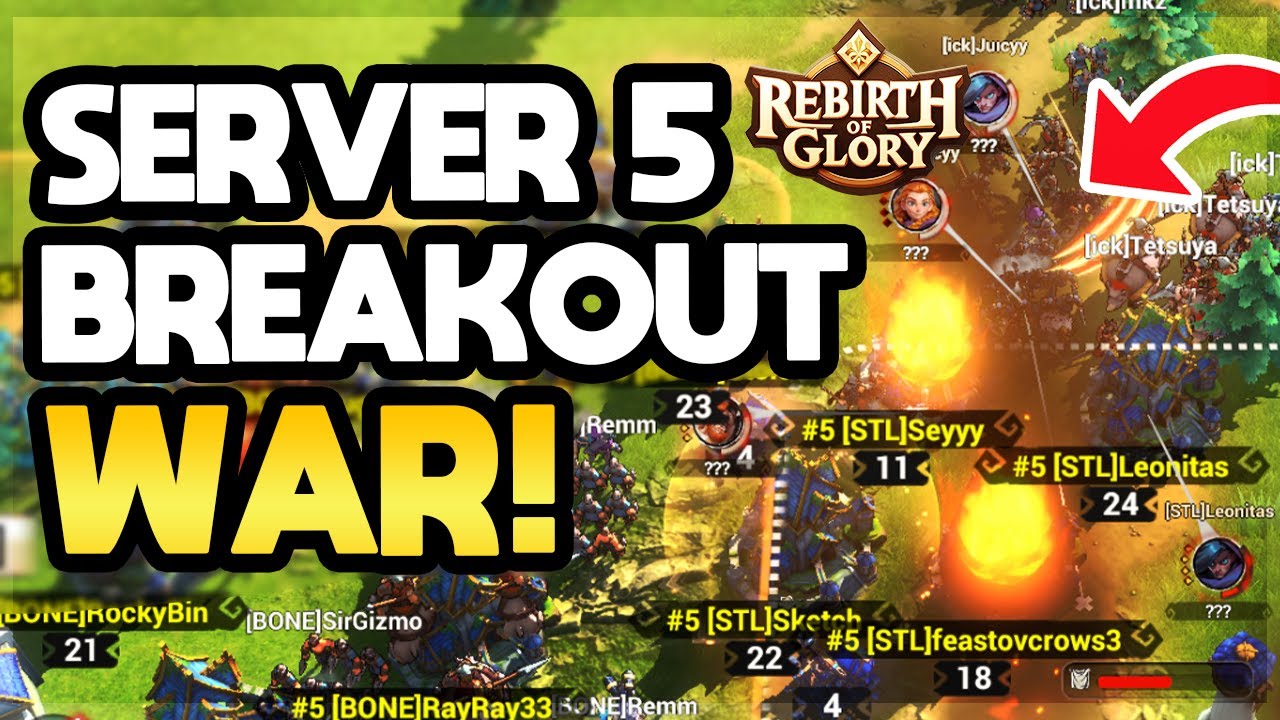
To survive early server wars in Rebirth of Glory, move your base into tight alliance clusters, follow designated leadership commands during mobilizations, and avoid unauthorized solo skirmishes. Success in large-scale server conflicts relies on alliance-level territorial control and organized defense rather than individual unit strength.
Early Warnings of Imminent Alliance Conflicts
Early server environments shift rapidly as top alliances compete for dominant positions on the map. You can anticipate major war by watching map boundaries and base movements:
- Border Compression: Top-tier alliances relocate bases closer to opposing alliance borders to contest map sectors.
- Troop Accumulation: Sudden concentrations of player troops near boundary lines indicate an active attack or defense plan.
- Resource and Chokepoint Disputes: Hostilities increase around key resource nodes and critical geographical passes.
If your alliance is outmatched, engaging in high-risk military confrontations drains vital resources. Seeking defensive pacts or diplomatic cooperation with stronger regional groups provides better protection during early power struggles.
Defensive Base Clustering and Territory Control
Alliances fight for territory to control strategic nodes and secure long-term resource advantages. Individual bases left isolated near enemy lines are vulnerable to rapid target selection by coordinated opponent groups.
| Strategic Action | Defensive Purpose | Key Risk of Non-Compliance |
|---|---|---|
| Base Clustering | Creates mutually supportive defense zones to deter raids. | Isolated bases are easily picked off by fast enemy strike forces. |
| Chokepoint Holding | Restricts enemy movement into core alliance territory. | Undefended passes allow hostile forces free access to interior farms. |
| Command Positioning | Places members according to leadership placement orders. | Disorganized layouts create gaps in defense and slow reinforcement response. |
Concentrating alliance bases increases the potential combat cost for attackers, making your territory a less attractive target for opportunistic raids.
Alliance Mobilization and Tactical Priorities
When active fighting begins, clear communication prevents wasted stamina and troop losses on low-priority battles. Wait for direct alliance command orders before launching offensive operations, and focus your participation on four tactical priorities:
- Reinforce Allies: Send defensive troops to alliance members under active fire.
- Join Coordinated Rallies: Combine troop numbers into alliance rallies targeting designated enemy structures rather than sending solo marches.
- Hold Key Nodes: Mass troops at territorial boundaries specified by alliance leaders.
- Avoid Unauthorized Strikes: Refrain from retaliatory attacks on unassigned targets, which can trigger wider conflicts your alliance is unprepared to sustain.
Managing Resources and Infrastructure During War
War severely impacts city development by consuming resources for troop healing and repairs. Sustaining your progress requires calculating the necessity of every battle:
- Focus on Strategic Goals: Avoid battle engagement if a fight does not secure a core territory node or vital alliance objective.
- Upgrade Medical Facilities: If your alliance loses ground, prioritize upgrading medical buildings to expand hospital capacity and reduce permanent troop losses.
- Maintain Resource Production: Invest downtime between battles into resource production upgrades to maintain long-term progression milestones.
Conserving resources during active war ensures you remain capable of contributing to defensive operations without stalling settlement growth.

Free Rebirth of Glory Codes
Current active codes and how to redeem them.

Emily Johnson
Emily writes practical mobile strategy guides with a focus on resource planning, base progression, and the early decisions that shape a long-term account.
COMMUNITY
Player Comments
73 players commented on this guide.
I wish I had read this before upgrading the wrong thing.
Nice guide. I am checking the other Rebirth of Glory articles next.
Good guide for Rebirth of Glory players. The early game part was useful.
The tips are practical and easy to follow.