
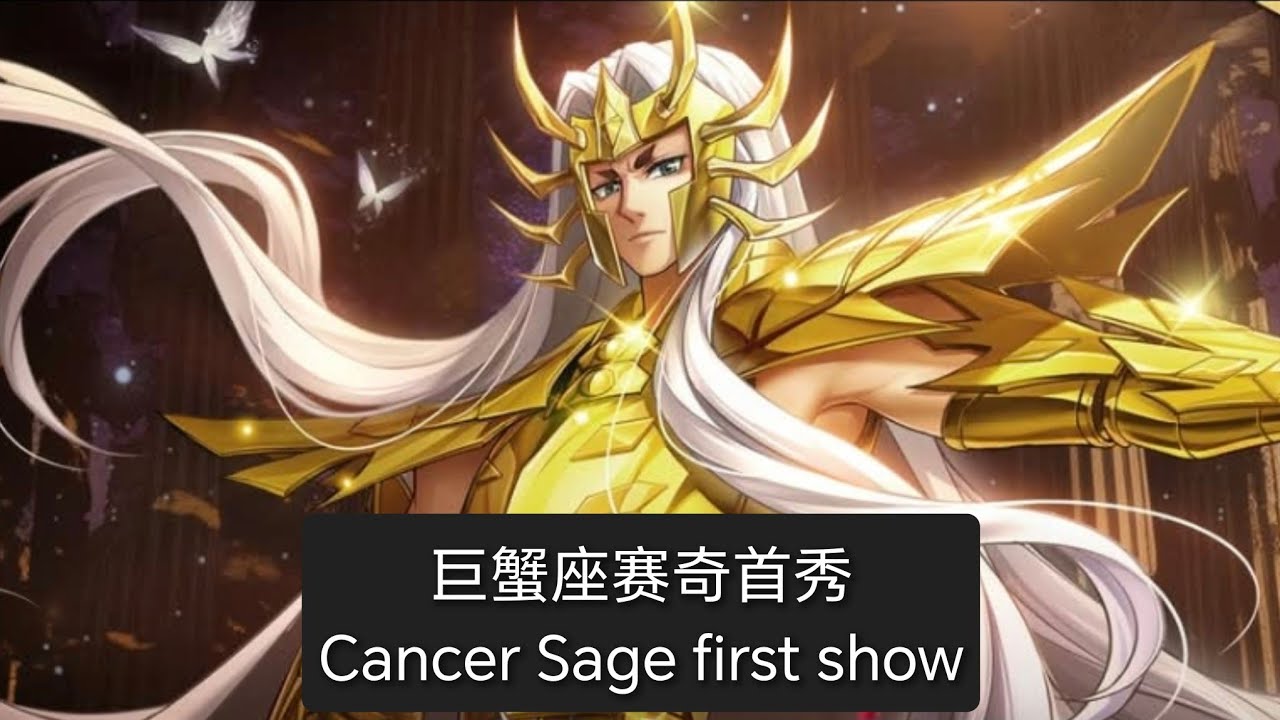
Cancer Sage is a transformative force in Saint Seiya Awakening, shifting the tide of battle from raw DPS races to calculated, spirit-driven dominance. Unlike standard attackers, Sage functions as a tactical disruptor, utilizing unique soul-binding mechanics to dismantle enemy formations. To succeed with him, you must view the battlefield as a resource to be manipulated rather than a target to be destroyed. By mastering his spirit-tethering abilities and coordinating his turns with high-burst allies, you can neutralize even the most resilient meta teams.
Understanding Cancer Sage’s Core Mechanics
Cancer Sage operates as a high-tier disruptor whose effectiveness hinges on his ability to summon and manipulate spirits. His kit ignores the standard "tank-and-spank" logic of Saint Seiya Awakening by introducing shared-damage mechanics.
The cornerstone of his kit is the "spirit link." When Sage tags an enemy, he creates a metaphysical tether that forces the target to share incoming damage with other members of their team. This is a hard counter to "turtle" compositions that rely on a single high-HP tank to soak all incoming fire. When you hit the linked target, the splash damage effectively bypasses traditional damage mitigation passives.
Key Mechanic Insights:
- Spirit Traps: Sage can place traps that trigger during the opponent’s actions. These are particularly lethal against high-speed teams that rely on extra-turn mechanics.
- Vulnerability Scaling: As the match progresses, the effectiveness of his links scales, making him a "ticking clock" character who becomes exponentially more dangerous the longer the fight lasts.
Optimizing Skill Priority and Turn Management
For players looking to maximize their investment, prioritizing Sage’s skills is non-negotiable. You should focus on leveling his spirit-summoning and link-application skills first; these provide the base debuff efficacy that makes him viable in high-tier PvP.
Regarding turn order, Sage is a "mid-tempo" character. He should ideally act after your speed-tuning support units—who provide energy or buffs—but before your primary DPS. By casting his spirit link early, he marks the primary target for your heavy hitters, ensuring that your team's energy is spent on targets that have already been compromised by his debuffs.
Pro-Tip for Turn Management:
- Energy Management: Sage is energy-hungry. Pair him with units like Kiki or Saori Kido to ensure you can cycle his link skills without sacrificing your defensive sustain.
- The "Double-Tap" Strategy: Always attempt to follow Sage’s turn with an AoE or high-burst unit. The vulnerability state he applies is usually short-lived, so your secondary damage dealer must be ready to capitalize immediately.
Strategic Team Compositions for Sage
Cancer Sage thrives in teams that can survive the opening rounds while he sets his "web." Because he is not a burst character, he requires a front line that can hold the line.
Recommended Synergy Partners:
- Sustain Supports: Units that provide passive healing or shields allow Sage to survive the early game pressure. He is often a priority target for the enemy, so keeping him alive for the first two rounds is critical.
- Debuff Amplifiers: If you pair Sage with other units that apply status effects, you create a "debuff cloud." This makes it incredibly difficult for enemy healers to cleanse everything, allowing Sage’s links to remain active.
- Speed Control: Because Sage is vulnerable to being locked down by faster enemy control units, pairing him with a unit that can prevent silences or freezes is essential for maintaining his uptime.
Limitations and Counter-Play Considerations
While Sage is a powerhouse, he is not a "plug-and-play" unit. His reliance on target-locking means he struggles against teams that utilize stealth or invulnerability frames (like those found in certain Hades or Thanatos setups).
How to overcome common weaknesses:
- The Cleanse Problem: If the opponent is running a strong cleanser, your spirit links may be removed before they can deal meaningful damage. To counter this, force the enemy to "waste" their cleanse on minor debuffs earlier in the round.
- Rush Compositions: If you are facing a hyper-aggro team that plans to end the fight in round one, Sage is at a disadvantage. In these matchups, you must prioritize defensive relics and Soul Stones that increase his HP and resistance stats.
Advanced Tactics: When to Use Sage
Sage is most effective in long-form PvP modes like the Galactic Duel. His strength is in his ability to "solve" a match by forcing the opponent into a lose-lose scenario: if they attack your team, they trigger your spirit traps; if they ignore Sage, the spirit links eventually whittle down their backline.
When building your team, always consider your win condition. If you want a fast, aggressive win, Sage might not be your best choice. However, if you want a strategic, high-skill-ceiling team that can dismantle meta threats through attrition and clever positioning, Cancer Sage is arguably the most valuable utility unit in the current Saint Seiya Awakening meta. By focusing on his synergy and protecting him through the early game, you turn his spirit-based control into a reliable, consistent path to victory.
Free Saint Seiya Awakening Codes
Current active codes and how to redeem them.

James Brown
James focuses on Android gaming on PC, emulator setup, controls, performance tuning, and practical troubleshooting for longer play sessions.
COMMUNITY
Player Comments
154 players commented on this guide.
I wish I had read this before upgrading the wrong thing.
Good guide for Saint Seiya Awakening players. The base building part was useful.
The tips are practical and easy to follow.
Nice guide. I am checking the other Saint Seiya Awakening articles next.