
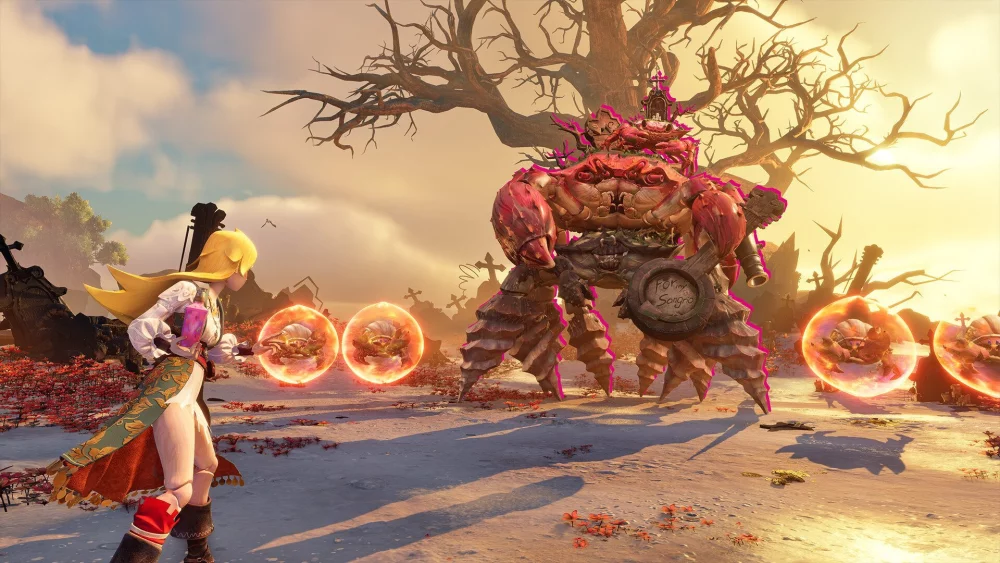
To excel in Sea of Remnants, you must master the duality of its 3D open-world exploration and its deep, grid-based turn-based combat. The game is not merely about sailing or fighting in isolation; it is about the synergy between these two pillars. By prioritizing seamless transitions between naval travel and ground-level skirmishes, players can maximize loot collection, optimize resource management, and minimize unnecessary downtime. This guide provides the expert strategies needed to synchronize your ship’s movement with character-specific skill rotations to ensure every encounter translates into meaningful progression.
Synchronizing 3D Navigation with Combat Engagement
The core gameplay loop of Sea of Remnants involves shifting from a wide-scale 3D open-world perspective to a focused, tactical combat interface. Many novice players fall into the trap of roaming aimlessly, which often leads to being ambushed by environmental hazards or roaming threats that trigger combat sequences prematurely.
To maintain control, you must treat your navigation as a proactive scouting mission. Keep your camera oriented toward points of interest on the horizon. Identifying enemy silhouettes before they engage you allows for a strategic approach—or a tactical retreat.
Pro-Tip for Engagement: Because the game features a seamless transition into turn-based systems, you can initiate combat on your terms. Position your ship optimally before the encounter starts. If you approach a combat zone from an angle that shields your ship's weaker sides or places your primary damage dealers in a favorable orientation, you effectively shave seconds off the turn-based phase that follows.
Mastering Turn-Based Skill Chains and Hero Synergies
Once combat begins, the game shifts to a grid-based environment where positioning and skill sequencing are paramount. In Sea of Remnants, your team composition is your most valuable asset. Each hero possesses unique abilities that scale based on their role—damage, support, or defense—and many of these skills trigger environmental interactions or character-specific buffs that persist across multiple turns.
To succeed in high-level encounters, focus on these tactical principles:
- Grid Manipulation: Prioritize heroes who can displace enemies. Pushing an enemy into a hazard or into the range of a teammate’s area-of-effect (AoE) attack is far more efficient than standard single-target damage.
- Skill Chaining: Look for "Combo" tags in your hero tooltips. Sequencing a debuffing hero before your primary damage dealer can multiply your output significantly.
- Sustained Combat: Since this is a collection-based RPG, your heroes must survive extended voyages. Always include at least one healer or high-defense shielder to mitigate chip damage during long-form exploration sessions.
By chaining abilities that complement each other, you can clear wave-based encounters faster, preserving your crew’s health and preventing the attrition that often halts momentum in the open sea.
Optimizing Resource Collection During Exploration
Exploration in the 3D world is your primary source of progression materials. Floating debris and island outposts serve as the backbone of your economy, providing the components necessary for ship upgrades and gear crafting. However, inventory management is where many players struggle.
The game forces a balance between how far you can travel and how much you can carry. Treat every stop as a mini-dungeon. If you fill your inventory with low-tier resources early in a voyage, you will inevitably be forced to discard high-value loot later, which is a major setback for mid-game progression.
Decision-Making Strategy: Before departing a safe harbor, set a goal for your expedition. Are you hunting for rare crafting materials or clearing combat encounters for XP? If you are resource hunting, prioritize inventory space for rare nodes. If you are combat-focused, prioritize health and repair kits for your ship. Periodically check your inventory and discard "common" materials before approaching high-value encounter zones.
Navigating Environmental Risks and Sea Hazards
The 3D open world of Sea of Remnants is not static. Dynamic hazards like whirlpools, erratic weather patterns, and shifting currents are designed to punish players who ignore their surroundings. These are not merely visual flair; they affect your ship's movement speed and can force you into disadvantageous combat positions.
Always observe the sea state before committing to a long-distance route. If you are caught in a storm while fighting, your ship may take "Environmental Damage," which reduces your tactical options when the turn-based combat screen loads.
Survival Tactics:
- The Scout-First Approach: Use your ship’s perspective to observe hazards from a distance. If a path looks treacherous, do not be afraid to navigate around it. The time lost is almost always less than the time lost by having to repair your ship after a failed encounter.
- Bottlenecking: Use the geography of the map to your advantage. If you are being pursued, lead enemies into narrow channels or near environmental obstacles where you can use your ship's maneuverability to dictate the starting position of the combat grid.
- Safe Harbor Strategy: When your ship’s health or crew morale drops below 30%, prioritize retreating to a neutral zone. Pushing your luck in Sea of Remnants often leads to "Resource Bankruptcy," where you spend more on repairs than you earn from your travels.
Why Strategy Matters: The Progression Loop
The reason Sea of Remnants feels challenging is that it demands two different skill sets: spatial awareness in the 3D world and logical planning in the turn-based mode. Players who excel recognize that these are not separate games. Your navigation determines your combat advantage, and your combat efficiency determines how much you can explore before needing to return to base.
By focusing on hero synergies that reward displacement and grid control, and by treating inventory management as a strategic choice rather than an afterthought, you will find that Sea of Remnants becomes significantly more rewarding. Master the flow between the sea and the deck, and you will dominate the remnants of this ocean world.

Free Sea of Remnants Codes
Current active codes and how to redeem them.

James Brown
James focuses on Android gaming on PC, emulator setup, controls, performance tuning, and practical troubleshooting for longer play sessions.
COMMUNITY
Player Comments
34 players commented on this guide.
Good guide for Sea of Remnants players. The base building part was useful.
I wish I had read this before upgrading the wrong thing.
Can you add more details about base building in a future update?
I tried this today and it worked better than my old setup.