
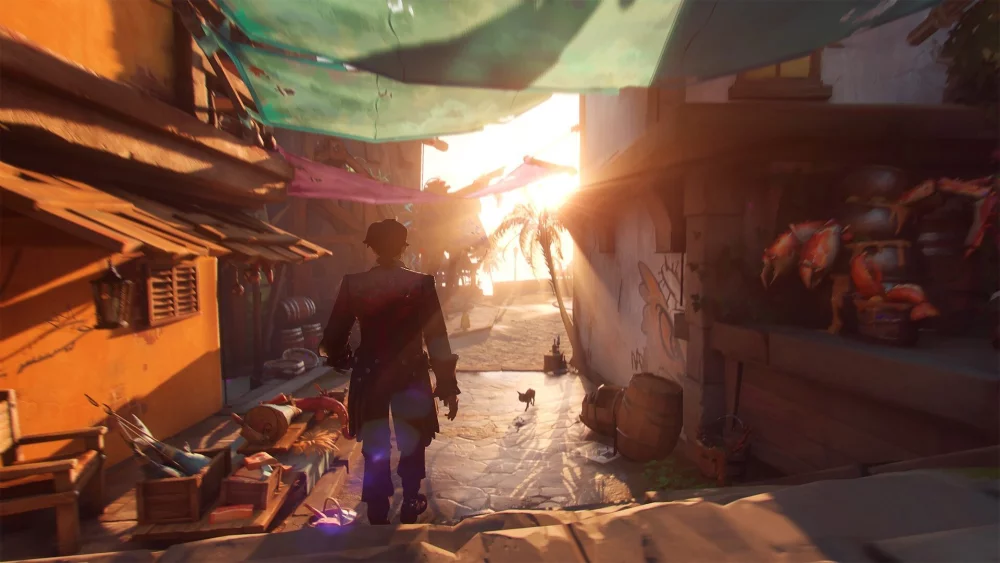
In Sea of Remnants, your decisions extend far beyond simple dialogue trees, functioning as a core mechanical layer that shapes the game's evolving world. By treating every narrative interaction as a tactical choice rather than passive storytelling, you can manipulate environmental outcomes, influence faction standing, and fundamentally alter your combat trajectory. Understanding how these choices integrate with your progression is essential for players looking to exert control over the world’s shifting state and long-term narrative survival.
Influencing World State Through Narrative Decisions
The most significant impact of your choices in Sea of Remnants is the direct, physical alteration of the game world. Rather than acting as a static backdrop, the environment responds to specific moral or strategic paths. Players should view these choices as a way to "sculpt" the game state, as certain paths lock out specific geographical interactions while opening others.
To effectively manage these changes, analyze the NPCs involved in each quest. Some interactions allow for the manipulation of town dynamics, which can make subsequent navigation through these areas safer or more resource-rich. If you prioritize specific outcomes, you can force the world to evolve in a way that favors your current exploration goals, turning potential obstacles into manageable, or even advantageous, terrain.
For instance, choosing to support a specific faction in a regional dispute may cause them to fortify a previously dangerous path, effectively creating a "safe zone" for your future travel. Conversely, ignoring their plea may lead to the total collapse of that trade route, forcing you to engage in higher-difficulty encounters to bypass the area.
Balancing Character Development with Global Consequences
Every choice carries weight for your primary character’s development and their standing within the remnants of the world. While it is tempting to pursue the most immediately rewarding outcome, Sea of Remnants encourages a long-term, meta-level view. The consequences of your narrative choices often manifest in the availability of specific character upgrades and unique passive traits that become accessible only after key, world-altering decisions are made.
When navigating these complex moments, utilize this strategic framework:
- Evaluate the Reward-to-Risk Ratio: Determine if the short-term gain (such as immediate currency or rare crafting materials) outweighs the potential for a more beneficial, long-term environmental shift.
- Assess NPC Sentiment: Monitor how your choices affect the factions you interact with. High faction affinity often yields discounts on gacha pulls or exclusive gear, while low affinity can lead to price gouging or locked narrative branches.
- Anticipate Narrative Lockouts: Be aware that certain paths permanently prevent you from accessing secondary storylines. Focus on the narrative themes that align with your desired end-game build.
Exploiting Narrative Choice for Tactical Advantage
Beyond the role-playing aspect, narrative choices serve as a strategic tool for combat preparation. Certain dialogue-based successes or failures can dictate the difficulty of upcoming encounters by influencing the morale or numbers of enemy groups. By choosing the "correct" narrative path, you can sometimes bypass unnecessary combat entirely or ensure you enter a boss fight with a significant tactical head-start.
This system encourages players to keep a close eye on the context of each dialogue sequence. If a situation feels like a prelude to a larger confrontation, the narrative choice you make is the first phase of that battle. Treat these moments with the same care you would apply to inventory management or skill point allocation, as they are fundamental to controlling the flow of the game's difficulty.
For example, in boss-heavy chapters, look for dialogue options that allow you to "expose" a weakness or "sow discord" among enemy ranks. These choices often manifest as debuffs on the enemy team during the subsequent combat phase, effectively lowering the barrier to entry for high-difficulty encounters.
Navigating the Trade-offs of Moral Ambiguity
One of the defining features of Sea of Remnants is the absence of a strictly binary moral system. The game presents situations where no single choice is "correct," forcing you to accept the trade-offs of your actions. Recognizing these limitations is crucial for experienced players; you cannot satisfy every NPC or faction simultaneously. You must accept that choosing one path of progression will inevitably close others, changing the landscape of your specific playthrough.
This variability is what gives the title its strategic depth. Instead of trying to achieve an "optimal" run that captures every reward, focus on creating a consistent experience that reflects your preferred strategy. By accepting the permanence of your choices, you can better plan for the ripple effects that follow, ensuring that your journey through the remnants is both intentional and aligned with your long-term goals for character and world mastery.
Strategic Tips for Second Playthroughs
As you progress into your second playthrough of Sea of Remnants, the choice system becomes even more powerful. Because you now possess meta-knowledge of which choices lead to specific world states, you can "speed-run" the narrative to unlock your preferred gear or support character upgrades.
- Prioritize Faction Alignment: In your second run, pick one faction to max out early. This provides the highest tier of passive bonuses, which are essential for tackling the harder, hidden boss encounters.
- Document Branching Points: Keep a log of where your choices diverged. Since Sea of Remnants uses a complex web of consequences, knowing exactly when a branch occurred helps you optimize your resource management for future cycles.
- Cross-Reference with Combat Needs: If your team composition relies on specific support characters, align your choices to favor the quests that provide their signature upgrades. Often, these upgrades are tied to specific narrative outcomes that seem minor at first but are essential for end-game efficiency.
By mastering the intersection of narrative and strategy, you transform Sea of Remnants from a game of chance into a calculated, efficient journey where every dialogue line is a weapon and every choice is a step toward total world mastery.

Free Sea of Remnants Codes
Current active codes and how to redeem them.

Michael Smith
Michael covers live-service games, events, reward systems, and efficient daily routines, turning frequent updates into clear actions for players.
COMMUNITY
Player Comments
82 players commented on this guide.
This helped me understand heroes much better.
Can you add more details about heroes in a future update?
Good guide for Sea of Remnants players. The heroes part was useful.
The tips are practical and easy to follow.